When you format your micro SD card accidentally, but there are important videos that you haven't backed up, how can you recover the videos from the formatted micro SD card? Maybe you think it is a disaster, but luckily, you can get a chance to regain your videos because formatting doesn't immediately erase data permanently. Thus, stop using the memory card right now, and recover your videos with the following methods.
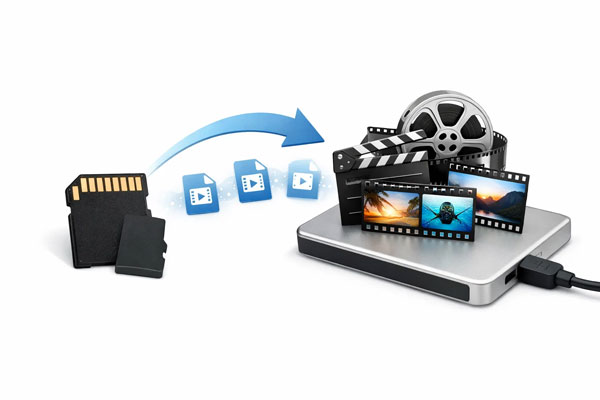
As long as you have a computer, you can connect your SD card to the PC and then use Coolmuster Data Recovery to get your lost videos back. This desktop app can scan your memory card, and locate your formatted files. As long as there is no data overwrite your videos, you will succeed in recovering the files.
Key features of Coolmuster Data Recovery:
Pros:
Cons:
Download Coolmuster Data Recovery.
Here's how to recover lost videos from a formatted SD card:
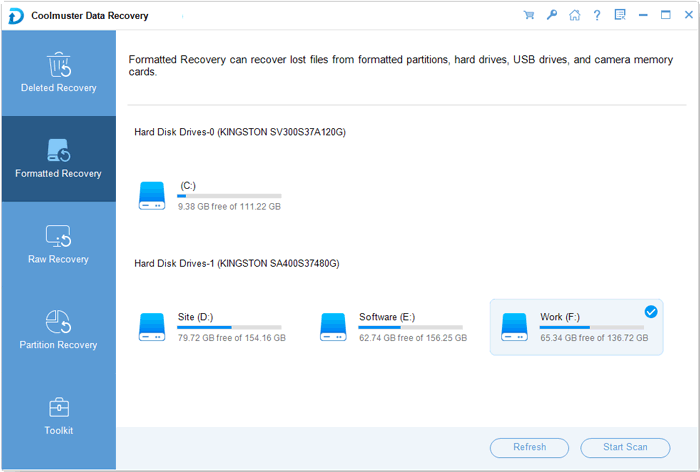
01Plug your SD card into your computer using a card reader and launch the Coolmuster Data Recovery software. Then choose the "Formatted Recovery" mode from the main interface.
02Select the drive letter representing your SD card and click "Start Scan". The software will perform a deep scan to locate fragmented video files.
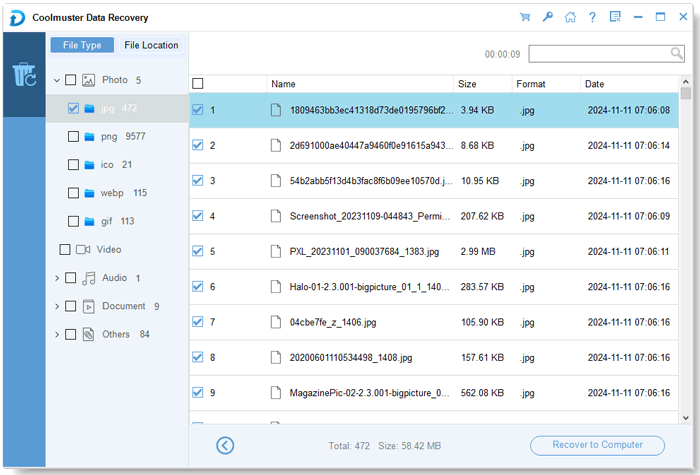
03Choose the "Videos" category, and browse the found files. Next, select the videos you wish to save and click "Recover to Computer", ensuring you save them to your computer's hard drive rather than back onto the SD card.
You can watch the video guide to recover your videos:
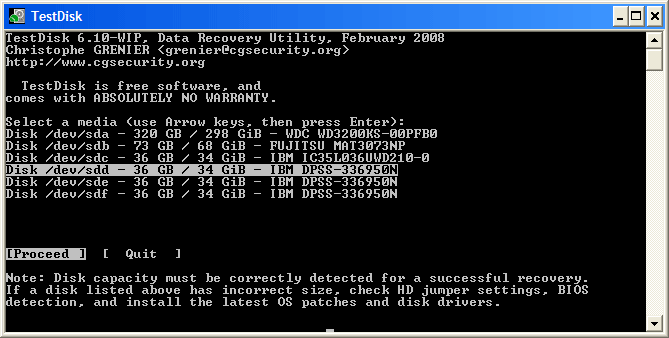
TestDisk is a useful, open-source recovery tool for SD cards. It is text-based, which may be challenging for beginners, so it requires careful navigation.
To retrieve videos from a formatted micro SD card via TestDisk:
Step 1: Run the program and select "Create" to start a new log file. Then highlight your micro SD card from the list and select "Proceed".
Step 2: The software automatically detects this (often "Intel" or "EFI GPT"). Press "Enter".
Step 3: Select "Advanced", choose your partition, and select the "Undelete" (for FAT/NTFS) or "List" option.
Step 4: Navigate to the deleted videos (often highlighted in red), press "C" to copy the selected file, and choose a destination on your PC to paste it.
Pros:
Cons:
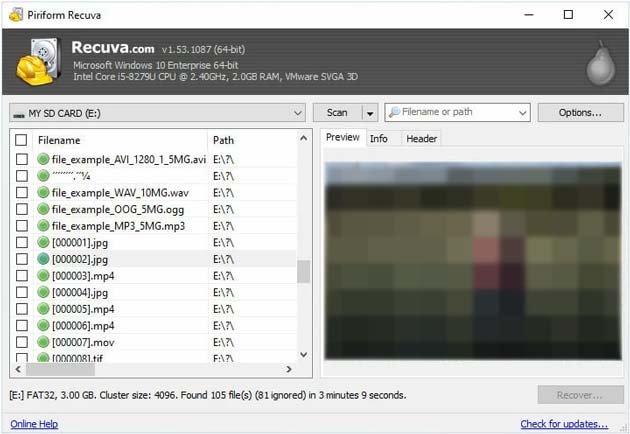
Recuva is widely popular for its simplicity and effective "Deep Scan" feature for formatted media. If the free version doesn't find your video files, you can upgrade to the pro one.
Recover lost videos from a formatted SD card via Recuva:
Step 1: Open Recuva and select "Videos" as the file type you are looking for.
Step 2: Choose "On my media card or iPod" or manually browse to the SD card's drive letter.
Step 3: Before clicking "Start", check the box for "Enable Deep Scan". This is essential for formatted cards as it searches for file headers.
Step 4: Once the scan is complete, mark the checkboxes next to your videos. Click "Recover" and pick a secure folder on your desktop.
Pros:
Cons:
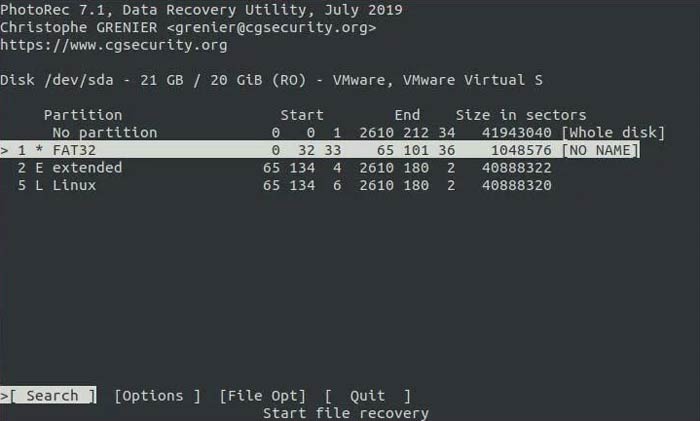
PhotoRec is a companion to TestDisk that ignores the file system and goes after the underlying data, making it highly effective for formatted or corrupted cards. Besides, note that filenames might be lost; you will need to check the recovered .mp4 or .mov files manually.
Here's how:
Step 1: Open photorec_win.exe on your PC, select your SD card, and press "Enter".
Step 2: Select the main partition and choose "Search". Next, tap "Other" (for FAT32/exFAT/ext) unless you are on a Linux-specific format.
Step 3: Choose a folder on your computer where the recovered files will be dumped. The program will scan every sector of the card.
Pros:
Cons:
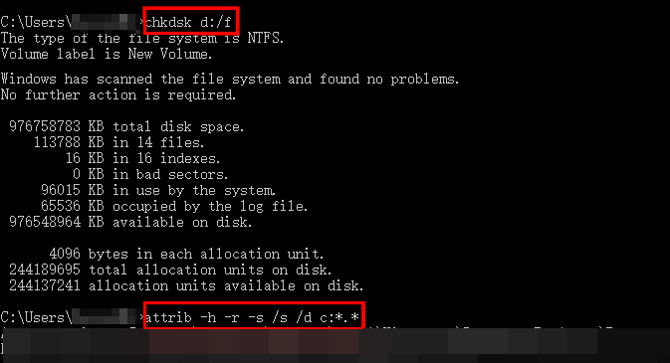
Using the Command Prompt (CMD) is a built-in Windows method. While it cannot "undelete" data like the tools above, it can fix attribute issues that make files invisible after a quick format.
To restore videos from a formatted memory card via CMD:
Step 1: Insert your SD card into your computer. Then press "Win + R", type "cmd", and hit "Enter" on your Windows computer.
Step 2: Type the following command: chkdsk X: /f. Then replace "X" with your SD card drive letter.
Step 3: Then run: attrib -h -r -s /s /d X:\*.*. Remember to replace "X" with the correct letter.
Step 4: This command removes "hidden", "read-only", and "system" attributes. If the format was a "Quick Format" that merely hid the directory structure, your files may reappear in a new folder on the card.
Pros:
Cons:
Data loss is a stressful experience, but tools ranging from the simple Recuva wizard to the robust PhotoRec engine and professional Coolmuster Data Recovery provide a high success rate for video recovery. Always remember the golden rule of data recovery: never save recovered files back onto the same SD card until you are certain the recovery process is finished.
Related Articles:
Recover Deleted Videos from SD Card with 4 Methods (Deleted Only)
How to Transfer Videos from Phone to Computer? [8 Ways for Android/iPhone]
How to Download YouTube Videos to Android Device with 4 Methods






 Free Download for PC
  Free Download for Mac


