TL;DR:
A broken Android screen does not always mean losing access to your important data. The backup method depends on whether the screen is still usable or completely unresponsive.
"Hey everyone, I recently dropped my Android phone and the screen is completely shattered. The display doesn't work, and I can't interact with it. I have some important data on it that I need to back up (photos, numbers, etc). Has anyone faced a similar situation and found a solution, or knows of any software? Any advice or steps to follow would be greatly appreciated. Thanks in advance!"
- From Reddit
When people buy a new Android phone, one of the first things they often do is purchase a protective case to prevent damage. However, no matter how careful you are, accidents happen, and your Android screen may still break.
The most frustrating part is not the broken screen itself, but the important data stored on the device. Can you back up an Android with a broken screen? How can it be done safely? This article will answer these questions and guide you through several practical methods to back up your Android device, whether the screen is partially responsive or completely unresponsive.
The short answer is yes, in most cases. Whether you can back up your Android device with a broken screen mainly depends on two factors: whether the screen is still responsive (even partially) and whether the device's internal storage and hardware are intact.
If your phone powers on, charges normally, and the internal storage is undamaged, which is true for most screen-only breaks, you can almost always back up your data successfully.
If your Android screen is cracked but still responds to touch (i.e., you can unlock it, navigate apps, and tap buttons), backing up your data is relatively straightforward. Below are the most effective methods to do so.
Using cloud storage is the simplest way to back up your data if the screen is still responsive. Most Android devices come with built-in cloud services, and you can also use third-party apps to sync your files. Here's how:
Built-in Cloud Services
Step 1. Open your device's Settings app, navigate to "Accounts" or "Cloud and Accounts", and select your Google account (or the device's native cloud service, such as Samsung Cloud, Huawei Cloud, or Xiaomi Cloud).
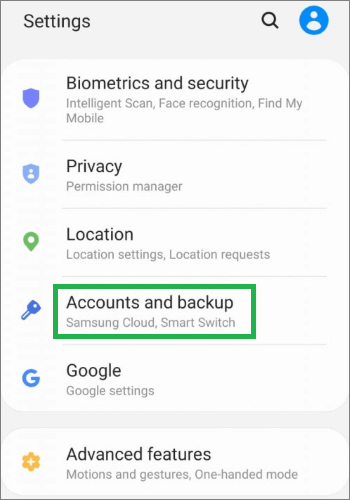
Step 2. Tap "Sync" and make sure all the data types you want, contacts, photos, calendar, messages, and app data, are toggled on. Your device will automatically upload this data to the cloud, which you can access from any other device using the same account.
Third-Party Cloud Apps
If you prefer apps like Dropbox, Google Drive, or OneDrive, open the app on your device. Tap "Upload" or "Sync" to back up photos, videos, documents, and other files. For Google Drive, you can also use the Backup feature to sync app data and settings.
Note: Cloud backup is convenient and fast, but it requires a stable internet connection and may be limited by your storage quota.
If your screen is partially responsive, using Coolmuster Android Backup Manager is one of the safest and most efficient ways to back up all types of data from your Android phone to a computer. This software allows you to back up contacts, messages, photos, videos, apps, and more with just a few clicks, even when the screen is damaged.
Key features of Android Backup Manager:
Step-by-step guide to back up an Android with a broken screen to your computer:
01Go to the official Coolmuster website and download Android Backup Manager. Install it on your Windows or Mac computer.
02Use a USB cable to connect your Android phone to the computer. Ensure the phone is powered on. If prompted, enable USB Debugging on your Android device.
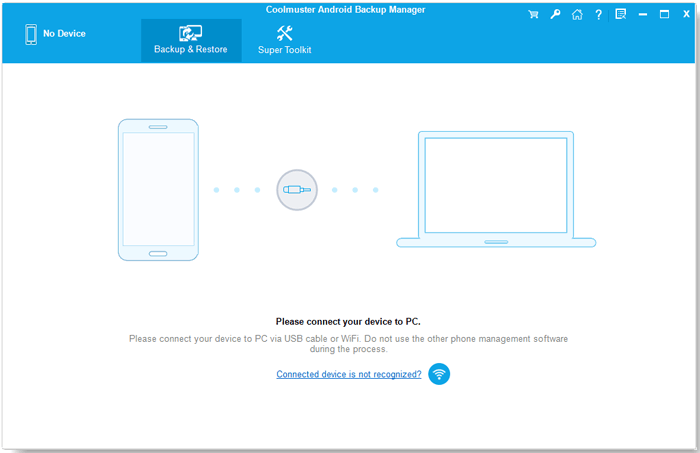
03Open the program and select the "Backup" option. The software will detect your connected device automatically.
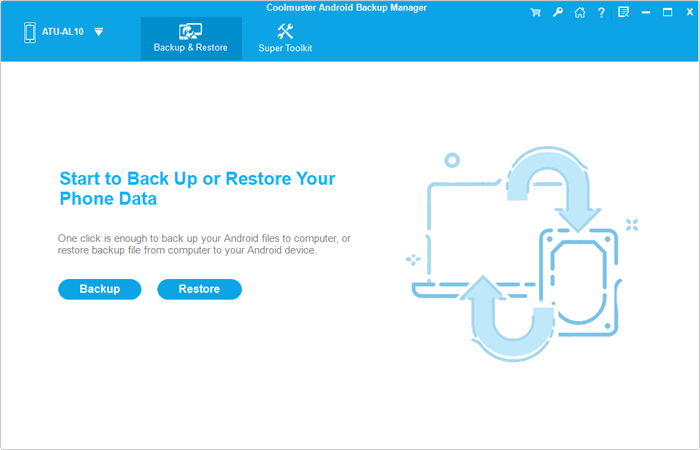
04Choose the types of data you want to back up and select a folder on your computer where the backup will be stored. Then, click "Back Up" to begin. Wait for the process to complete. The software will display a progress bar and notify you when the backup is finished.
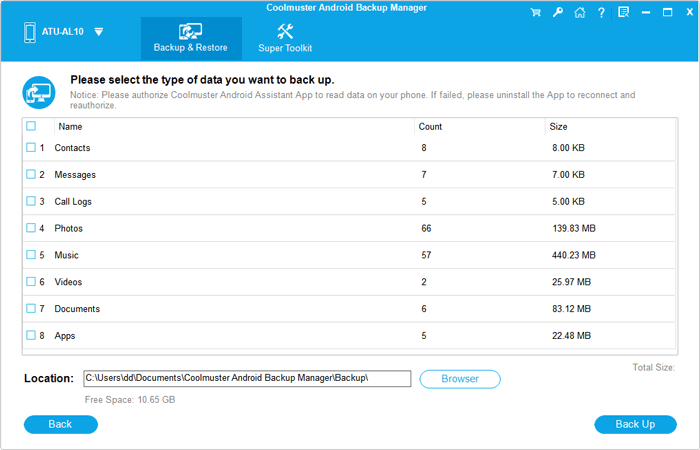
For a visual guide, you can watch the video tutorial below:
If your Android screen is cracked or the touch function is not working, but the display is still visible, you can use a USB OTG (On-The-Go) adapter and a mouse to control your device and back up your data. This method turns the mouse into a substitute for the touchscreen.
Step 1. Prepare a USB OTG adapter (compatible with your phone's port, such as Type-C or Micro-USB) and a USB mouse (wired or wireless with a USB receiver).
Step 2. Plug the OTG adapter into your phone, then connect the mouse to the adapter. Once connected, a cursor should appear on the screen, allowing you to control the device like a computer.
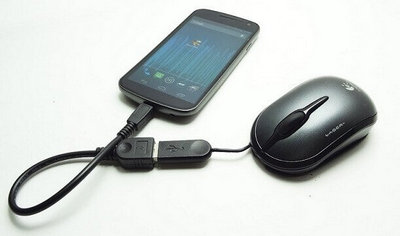
Step 3. Use the mouse to click or drag to unlock your phone. You can enter your PIN or pattern using the mouse. Some devices may also support fingerprint unlocking.
Step 4. After unlocking, use the mouse to access your phone's Settings, cloud storage apps, or file manager. You can: Sync your data to cloud storage (refer to Method 1), or connect your phone to a computer via USB and transfer files manually.
Step 5. On your computer, open the file explorer and locate your Android device. Then, copy and paste important files, such as photos, videos, and documents, to your computer.
If your Android screen is completely black, unresponsive, or you cannot unlock the device at all, regular methods like cloud backup or USB OTG will not work. In this case, using a professional tool like Broken Android Data Extraction is the most reliable solution.
This software is specially designed to extract data from damaged Android devices, allowing you to recover important files even when the screen is not usable.
Key features of Broken Android Data Extraction:
Guide to back up an Android device with a broken screen:
01Install and then launch the program on your computer. You will need to connect the broken Android device to the computer via a USB cable. When complete, select the option "Broken Android Data Extraction".
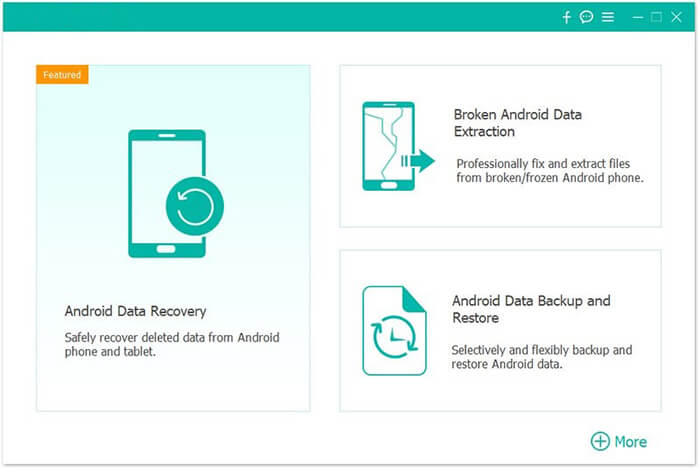
02You will need to choose the fixing mode and then confirm the devices info. (Verify info on broken device by simply pressing the "Start" button).
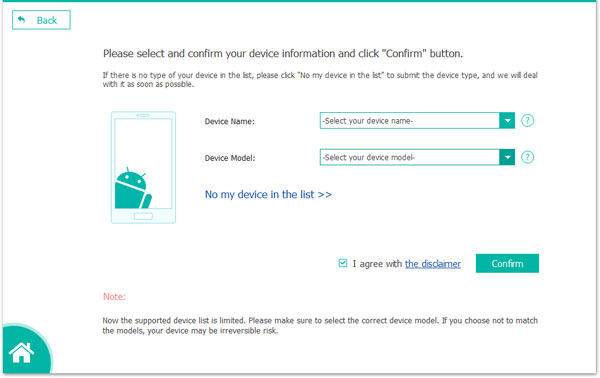
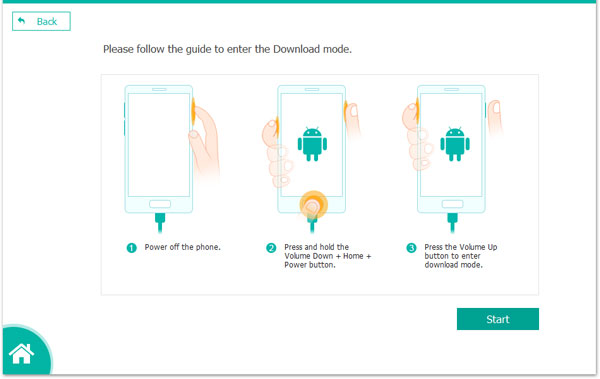
03Key in the Download mode. To enter this information, you will need to follow the onscreen prompts (Download mode). When complete, click on the "Start" button. This action will begin the scan of the files.
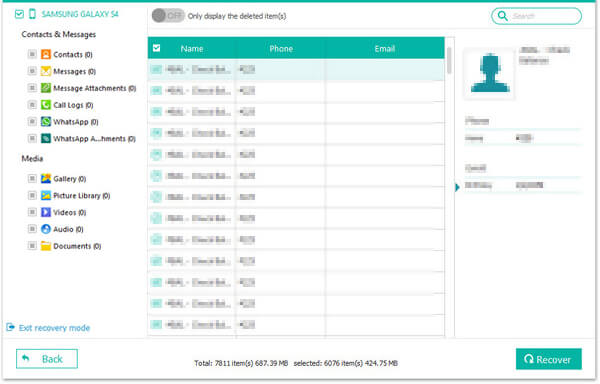
04When the scan function is complete, the results of the scan will be displayed by categories (text messages, contacts, videos). All you will need to do is place checks by the file categories you want to back up and clickthe "Recover" button.
For users with technical experience, ADB (Android Debug Bridge) provides a way to back up data from an Android device without using the screen. However, this method only works if USB Debugging was enabled before the screen was broken.
Step 1. Download and install the Android SDK Platform Tools (ADB) on your computer, then extract the files and open the ADB folder.
Step 2. Connect your Android phone to the computer using a USB cable and make sure the device is powered on.
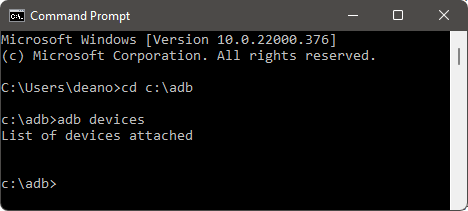
Step 3. Open Command Prompt (Windows) or Terminal (Mac), navigate to the ADB folder, and enter: adb devices.
Step 4. Enter the following command to back up your Android data: adb backup -apk -shared -all -f backup.ab.
Step 5. Wait for the process to finish and check the backup file on your computer.
Backing up an Android phone with a broken screen is possible in most cases, but the method depends on the extent of the damage. If your screen is partially responsive, cloud storage, Coolmuster Android Backup Manager, or USB OTG with a mouse can help you save your data safely. For completely unresponsive screens, Broken Android Data Extraction is the most reliable tool, ensuring you can recover contacts, messages, media files, and more. Advanced users can also use ADB commands if USB Debugging was previously enabled.
By choosing the right method for your situation, you can protect your valuable data even when your Android screen is damaged.
Related Articles:
How to Get Pictures Off a Broken Phone? 5 Quick & Easy Ways for You
How to Access Phone with Broken Screen [Touchable or Untouchable]
How to Perform Broken Android Data Recovery [6 Solutions]
How to Recover Data from Broken Android Phone without USB Debugging (High Success Rate)





 Free Download for PC
  Free Download for Mac


