iCloud and iCloud Drive are two crucial components of Apple's cloud ecosystem, yet many users often confuse the two. Understanding the differences between them is essential to getting the most out of Apple's cloud services. In this guide, we'll explain the features of iCloud and iCloud Drive, how to access and manage your iCloud data, and how to resolve common questions, helping you determine which tool best suits your needs.
iCloud is Apple's cloud storage and syncing service that helps you store and manage data across your devices. It automatically backs up important content such as photos, contacts, messages, and app data, keeping everything up to date on your iPhone, iPad, and Mac. In addition, iCloud also allows you to restore data when switching to a new device or after resetting your current one.
What is iCloud Drive?
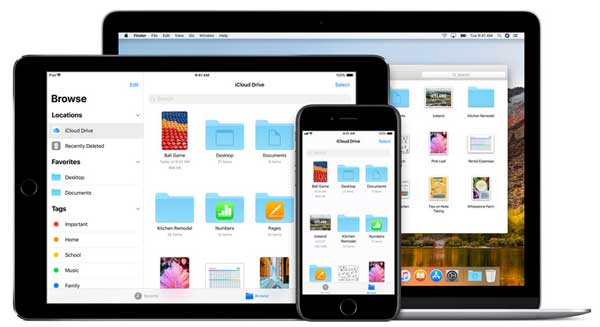
iCloud Drive is a feature within iCloud that focuses on file storage and management. It works like a cloud-based folder where you can save documents, PDFs, videos, and other files, then access them from any Apple device or even a Windows PC. You can also organize files into folders and share them with others easily.
Part 2: iCloud and iCloud Drive: Key Differences
Although iCloud and iCloud Drive are closely related, they serve different purposes. Here are the key differences you should know:
Purpose and Function
iCloud: Acts as an all-in-one cloud service that automatically backs up and syncs your data, such as photos, contacts, messages, and device settings.
iCloud Drive: Focuses on storing and managing files, similar to a cloud-based file system.
How They Work
iCloud: Runs mostly in the background. Once enabled, it automatically syncs data across your Apple devices.
iCloud Drive: Requires manual interaction. You need to upload, organize, or manage files yourself.
Types of Data Stored
iCloud: Stores backups, app data, photos, emails, and more system-related content.
iCloud Drive: Stores personal files like documents, PDFs, presentations, and videos.
User Control
iCloud: Limited direct control, as most processes are automatic.
iCloud Drive: Offers more control, allowing you to organize folders, move files, and share items easily.
Accessibility
iCloud: Data is mainly accessed through system apps (Photos, Contacts, Settings, etc.). (How to Access iCloud?)
iCloud Drive: Files can be accessed via the Files app on iPhone/iPad, Finder on Mac, or a browser on a PC.
Part 3: How to Use iCloud and iCloud Drive?
3.1 How to Access iCloud Drive
You can access iCloud Drive on different devices easily:
On iPhone/iPad: Open the "Files" app > tap "Browse" > select "iCloud Drive" to view your files.
On Mac: Open Finder > click "iCloud Drive" from the left sidebar.
On Windows PC: Go to iCloud.com and sign in with your Apple ID, then click "iCloud Drive". Or install iCloud for Windows to access files directly from File Explorer.
3.2 How to Manage iCloud Storage
Check Storage: Go to "Settings" > [your name] > "iCloud" to view storage usage.
Free Up Space: Delete unnecessary backups, photos, or large files.
Upgrade Storage: Tap "Manage Storage" > "Change Storage Plan" to upgrade if needed. (How to Manage iCloud Photos?)
3.3 How to Upload Files to iCloud Drive
On iPhone/iPad: Open the "Files" app > go to iCloud Drive > tap the "Upload" or "+" icon to add files.
On Mac: Drag and drop files directly into the iCloud Drive folder in Finder.
On PC: Upload files through iCloud.com or drag them into the iCloud Drive folder after installing iCloud for Windows.
3.4 How to Enable or Disable iCloud Sync
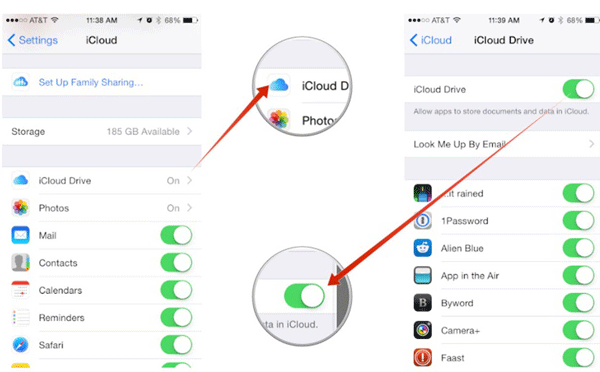
Go to "Settings" > [your name] > "iCloud".
Turn on/off the apps you want to sync (Photos, Contacts, etc.).
Part 4: Common iCloud & iCloud Drive Issues and Fixes
4.1 How to Stop iCloud Photos Syncing on iPhone/iPad/Mac?
If you want to stop your photos from syncing to iCloud, follow the steps below based on your device:
On iPhone/iPad:
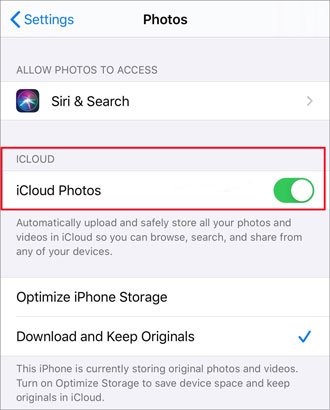
Go to "Settings" > [your name] > "iCloud" > "Photos"
Turn off "iCloud Photos", then choose whether to keep or remove local copies.
On Mac:
Open the "Photos" app > click "Photos" in the top menu > "Settings" (or Preferences)
Go to the "iCloud" tab and uncheck "iCloud Photos".
4.2 How to Recover Deleted Files from iCloud Drive
If you accidentally delete files from iCloud Drive, you can easily restore them within a limited time:
Go to iCloud.com and sign in with your Apple ID.
Click iCloud Drive, then open the "Recently Deleted" folder.
Select the files you want to recover and click "Recover" to restore them.
Alternative Method:
On iPhone/iPad: Open the "Files" app > tap "Browse" > "Recently Deleted".
On Mac: Open Finder > iCloud Drive > check "Recently Deleted" (if available)
4.3 How to Restore Data from iCloud Backup (Selectively or Fully)
Method 1: Fully Restore iCloud Backup (Need to Reset iPhone)
Apple only allows you to restore an iCloud backup as a whole, not selectively. This means your current data will be erased before restoring.
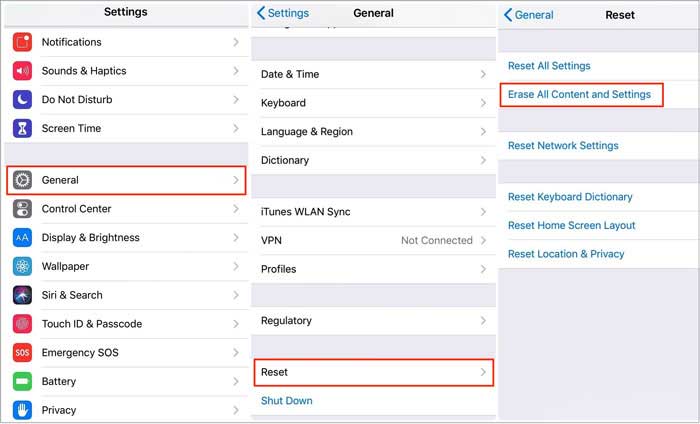
1. Go to "Settings" > "General" > "Transfer or Reset iPhone".
2. Tap "Erase All Content and Settings" and confirm the reset.
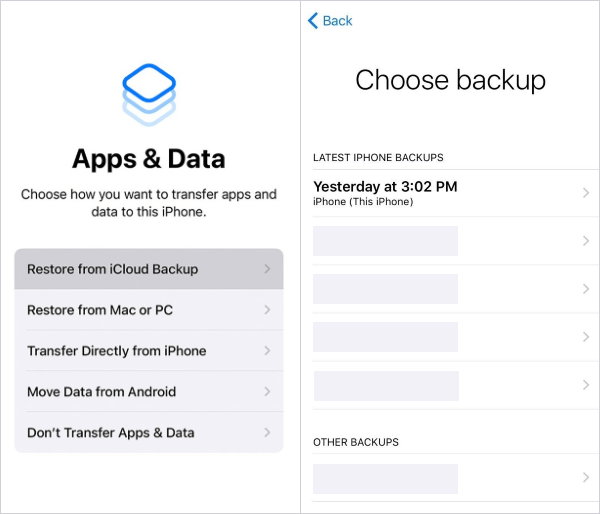
3. After your device restarts, follow the setup instructions and choose "Restore from iCloud Backup".
4. Sign in with your Apple ID and select a backup file to restore.
Note: This method restores all data from the backup and will overwrite your existing data.
Method 2: Selectively Restore iCloud Backup (No need to Reset iPhone)
If you only want to restore specific data (like contacts, photos, or notes) without resetting your device, Coolmuster iCloud Backup Recovery is a great choice. It allows you to preview and recover files from iCloud backup easily and safely.
Key Features of iCloud Backup Recovery:
Recover specific data types without restoring the entire backup.
Steps to restore data selectively from iCloud using iCloud Backup Recovery:
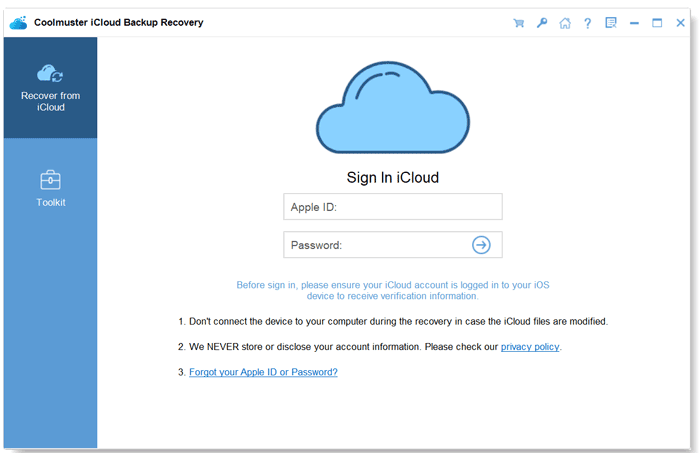
01 Download and install the program on your computer. Launch it and sign in with your iCloud account.
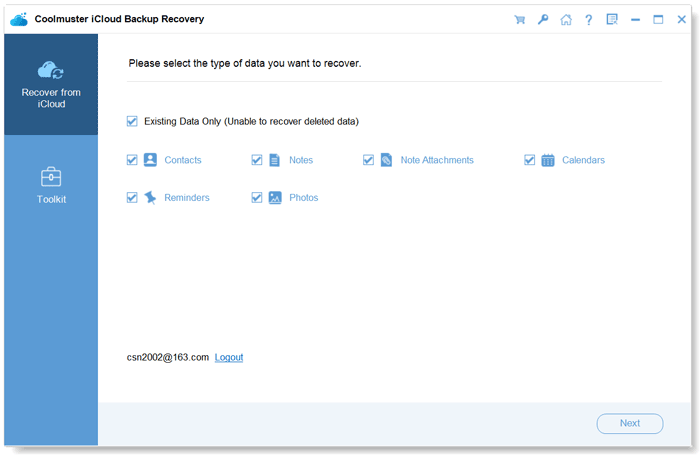
02 Select the data types you want to scan (e.g., contacts, photos, notes), then click "Next" to scan your iCloud backup.
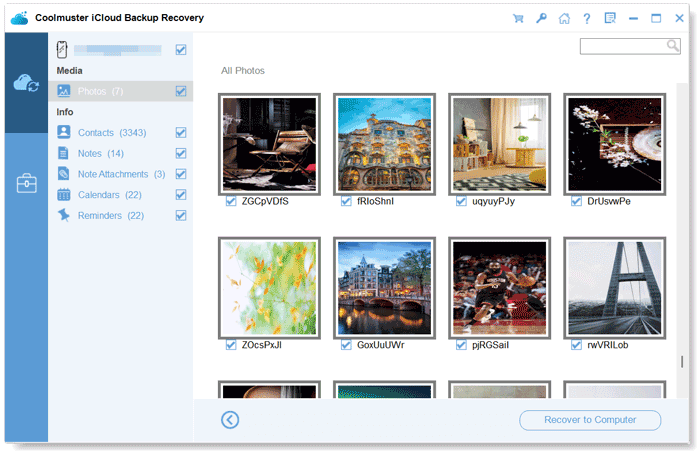
03 Preview the scanned data, choose the files you want, and click "Recover to Computer" to save them.
Video Guide:
Conclusion: iCloud vs iCloud Drive: Which One Should You Use?
Choosing between iCloud and iCloud Drive depends on how you want to manage your data and what devices you use.
Use iCloud if you want automatic backups and seamless syncing for photos, contacts, messages, and app data across all your Apple devices. It's perfect for keeping your device data safe without manual management.
Use iCloud Drive if you primarily need a cloud-based storage system for files, documents, and media that you want to organize, access, or share across devices. It gives you more control over individual files.
In short, iCloud handles overall data syncing and backup, while iCloud Drive focuses on file storage and management. Using both together allows you to fully leverage Apple's cloud ecosystem for maximum convenience and security.




 Free Download for PC
  Free Download for Mac


