A jailbroken iPhone gives users more control and freedom to customize their device beyond Apple's restrictions. However, when a new iOS version is released, many users feel confused about whether they should upgrade or not. Unlike regular devices, updating a jailbroken iPhone can remove the jailbreak, cause system errors, or even lead to data loss if not done properly.
In this guide, you will learn how to upgrade a jailbroken iPhone to the latest iOS 26/18 safely. We will walk you through the preparation steps, different upgrade methods, and important tips to avoid common problems, so you can update your device with confidence.
Yes, you can update a jailbroken iPhone, but it works differently from a normal device and comes with some risks.
When you upgrade iOS on a jailbroken iPhone, the jailbreak will be removed automatically. This is because Apple's update process restores the system files and removes any modifications made during jailbreaking. As a result, your device will return to a standard, non-jailbroken state after the update.
However, updating directly (especially via OTA) may sometimes cause issues, such as update failure, boot loops, or system instability. Jailbreak tweaks and modified system files can interfere with the update process, which is why many users prefer safer methods like updating through a computer.
In short:
To avoid problems, it's important to prepare your device before upgrading. In the next part, we'll cover the key things you should do before updating your jailbroken iPhone to iOS 26/18.
Before upgrading a jailbroken iPhone, proper preparation is essential. Skipping these steps can lead to update failures, data loss, or even a stuck device.
Backing up your data is the most important step. Since upgrading may remove jailbreak files or reset the system, you should always keep a full copy of your data. You can back up your iPhone using iCloud, iTunes or Finder, and a third-party tool like Coolmuster iOS Assistant.
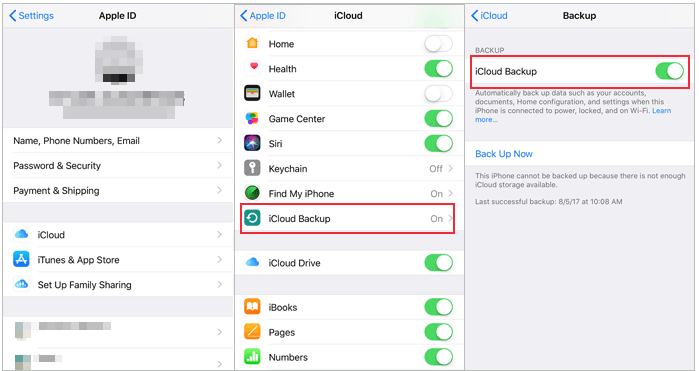
1. Back up iPhone Using iCloud
Using iCloud is one of the easiest ways to back up your iPhone wirelessly. It allows you to save your photos, contacts, and other important data to the cloud before upgrading.
2. Back up iPhone with iTunes/Finder
Backing up with iTunes (Windows or older macOS) or Finder (macOS Catalina and later) is a more stable way to create a full local backup.
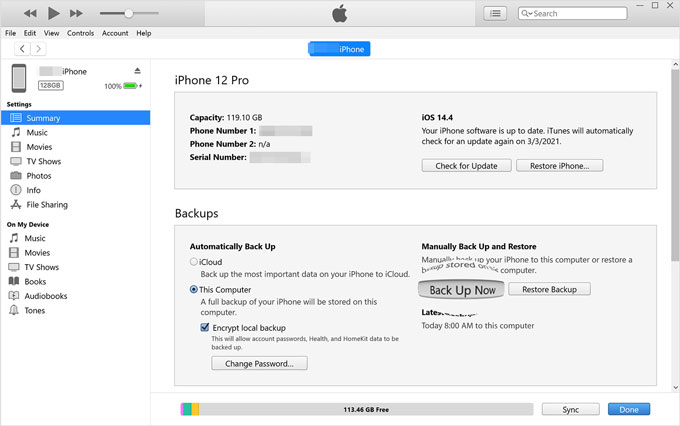
For better security, you can choose "Encrypt local backup" to save passwords and health data.
3. Back up iPhone via iOS Assistant
Coolmuster iOS Assistant is a reliable tool designed to help you manage, transfer, and back up iPhone data easily. It provides a clean interface and does not rely on iTunes. With its "one-click backup and restore" feature, you can quickly create a full backup on your computer before upgrading, helping you avoid unexpected data loss.
01 Download and launch the program on your computer, then connect your iPhone using a USB cable. Unlock your device and tap "Trust" when prompted so the software can recognize it successfully.
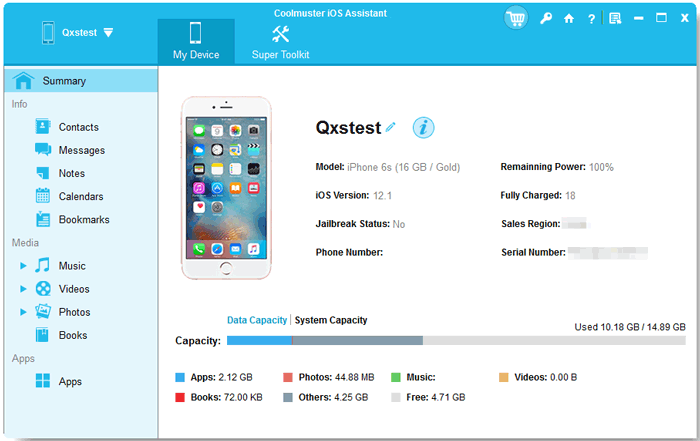
02 Once your device is detected, click "Super Toolkit" on the main interface, then select "iTunes Backup & Restore". Choose the "Backup" option to prepare for creating a full data backup.
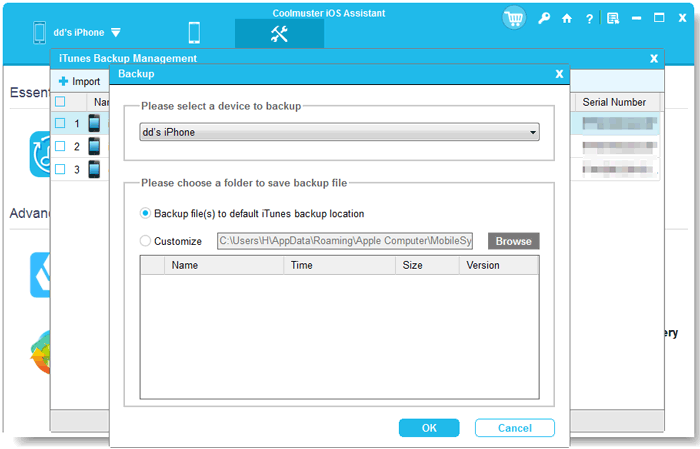
03 Choose a location on your computer to save the backup file, then click OK to begin. Wait for the process to finish, and make sure the backup is completed before proceeding with the upgrade.
Video Guide:
Not every iOS version works smoothly on all devices. Before upgrading:
This helps you avoid unnecessary risks and performance issues.
Jailbreak tweaks can interfere with the update process. Some may conflict with system files and cause the upgrade to fail.
To reduce risks:
This step is not always required, but it can greatly improve the success rate of the update.
A successful update requires enough free space and power:
Low storage or power interruptions can cause the update to fail or corrupt the system.
Updating a jailbroken iPhone requires choosing the right method based on your situation. Some methods are quick but less stable, while others are more reliable but take extra steps. Below are three common ways to upgrade your device safely.
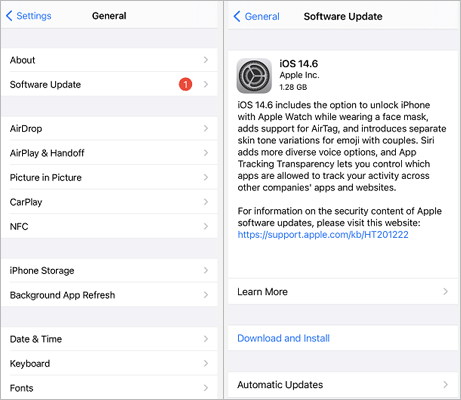
Updating over-the-air (OTA) is the most convenient method because it allows you to upgrade directly on your iPhone without using a computer. However, for jailbroken devices, this method can be less reliable. System modifications and tweaks may interfere with the update process, which can lead to issues like update failure or device freezing. This method is best if your device is relatively stable and you prefer a quick solution.
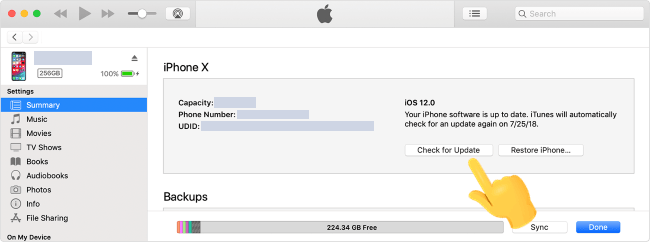
Using iTunes or Finder is a more stable and recommended method for upgrading a jailbroken iPhone. Since the update is handled through a computer, it reduces the chances of interference from jailbreak tweaks. This approach is especially useful if OTA updates fail or if you want a smoother and more controlled upgrade process, although it does require a USB connection and a bit more time.
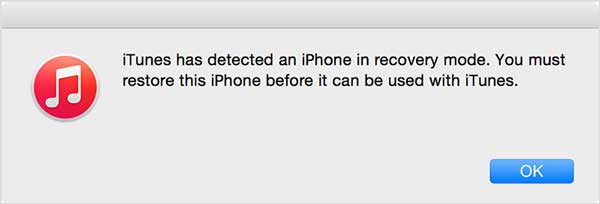
Recovery Mode is the most powerful method and is typically used when your iPhone cannot update normally or is experiencing serious issues like being stuck on the Apple logo. This method reinstalls the iOS system, which helps eliminate problems caused by jailbreak modifications. While it offers the highest success rate, it may erase your data if you choose "Restore," so it's important to have a backup ready beforehand.
Q1. Will updating a jailbroken iPhone remove the jailbreak?
Yes. Updating your iPhone will remove the jailbreak. The update process replaces modified system files with official iOS files, returning your device to its original, non-jailbroken state.
Q2. Will I lose my data after updating?
It depends on the method you use.
That's why it's strongly recommended to back up your iPhone before upgrading.
Q3. Is it safe to update a jailbroken iPhone?
Yes, but only if you follow the correct steps. Jailbroken devices are more likely to encounter update errors due to system modifications. Using a computer-based method (like iTunes or Finder) is generally safer than OTA updates.
Q4. Why does the update fail on my jailbroken iPhone?
Update failures are often caused by:
Removing tweaks and ensuring proper preparation can reduce these issues.
Q5. Can I re-jailbreak my iPhone after updating?
Maybe. It depends on whether a jailbreak tool is available for the new iOS version. Newer versions are often harder to jailbreak, and tools may take time to be released—or may not be released at all.
Q6. Can I downgrade iOS after updating?
In most cases, no. Apple usually stops signing older iOS versions, which prevents downgrading. Even if it's possible, the process is complicated and not recommended for beginners.
Q7. Should I update my jailbroken iPhone?
If you value stability, security, and new features, updating is a good choice. But if you rely heavily on jailbreak tweaks, you may want to wait until a compatible jailbreak tool is available for the new iOS version.
Upgrading a jailbroken iPhone is possible, but it requires careful preparation and the right method. Whether you choose a quick OTA update, a more stable computer-based upgrade, or a full restore via Recovery Mode, each option has its own use case. The key is to back up your data first and understand that the jailbreak will be removed after updating.
By following the steps in this guide, you can minimize risks and complete the upgrade smoothly. If you want a safer and more controlled process, using a professional tool or a computer-based method is always the better choice.
Related Articles:
How to Update iPhone Without Wi-Fi in 2026? [4 Simple Ways]
iPhone Taking Forever to Update iOS 18/26? Try These Fixes




 Free Download for PC
  Free Download for Mac


