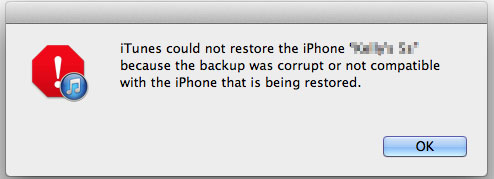
When trying to restore an iTunes backup, some users may encounter an error message saying: "iTunes could not restore the iPhone because the backup was corrupted or not compatible with the iPhone that is being restored." This can be frustrating, especially when you urgently need your data back.
In most cases, this issue is not as serious as it seems. It is often caused by temporary errors, outdated software, or minor file conflicts rather than true incompatibility. Although it's hard to predict when this problem will occur, the good news is that there are effective ways to fix it.
In this guide, we will walk you through practical solutions step by step to repair the iTunes backup corrupted and incompatible issue and successfully restore your iTunes backup without losing your data.
Before fixing the problem, it's important to understand what might be causing it. The "iTunes backup corrupted or incompatible" error usually happens due to the following reasons:
1. Interrupted Backup Process
If the backup process is suddenly interrupted - such as by unplugging the device, a system crash, or a power failure - the backup file may become incomplete or damaged, making it unusable during restoration.
2. iOS Version Mismatch
Backups created on a newer iOS version may not be compatible with devices running an older system. If your current iPhone hasn't been updated, iTunes may fail to restore the backup.
3. Corrupted Backup Files
Over time, backup files stored on your computer can become corrupted due to disk errors, malware, or unexpected system issues. Once damaged, iTunes may not be able to read them properly.
4. Outdated iTunes Version
Using an outdated version of iTunes can lead to compatibility problems. Newer iOS devices or backups may not be fully supported, causing restore failures. ([2026] What Is the Latest Version of iTunes?)
5. Insufficient Storage or File Conflicts
If your computer doesn't have enough storage space, or if there are conflicts between multiple backup files, iTunes may not complete the restore process successfully.
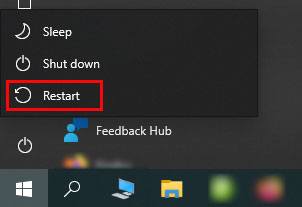
Sometimes, the error is caused by temporary system glitches rather than serious backup corruption. A simple restart can refresh both your iPhone and computer, clear minor bugs, and help iTunes run normally again.
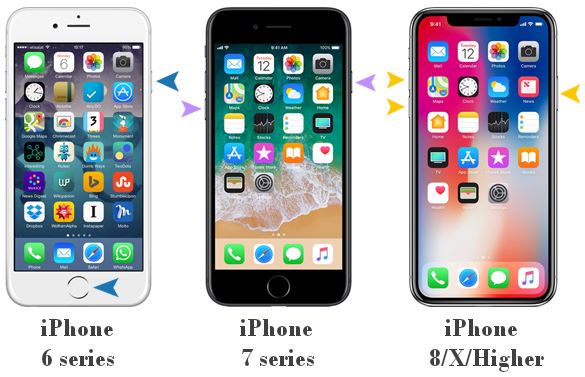
Step 1: Restart your iPhone
Step 2: Restart your computer
Step 3: Try restoring the backup again
An outdated version of iTunes may not fully support newer iOS devices or backup files, which can lead to compatibility errors during the restore process. Keeping iTunes up to date ensures better performance and fewer unexpected issues.
For Windows:
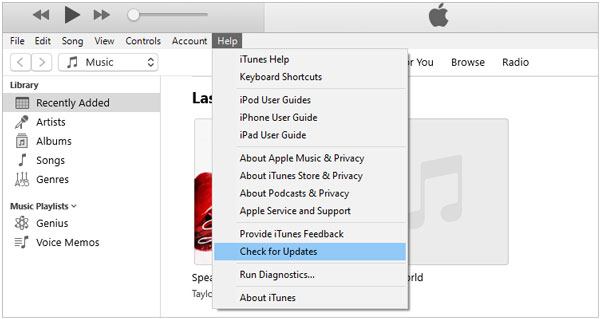
For Mac:
Once updated, reconnect your iPhone and try restoring the backup again. This can often resolve compatibility issues caused by outdated software.
An unstable connection between your iPhone and computer can interrupt the restore process and lead to backup errors. Whether you are using a USB cable or Wi-Fi syncing, a stable connection is essential.
For USB connection:
For Wi-Fi connection:
Insufficient storage on either your computer or iPhone can prevent iTunes from restoring a backup properly. If there isn't enough space to load all the backup data, the process may fail or show a corruption error.
Step 1: Check storage on your iPhone
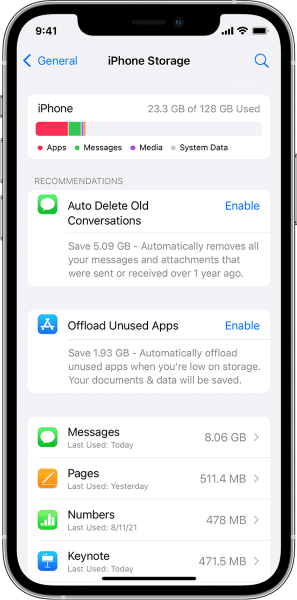
Step 2: Check storage on your computer
Step 3: Free up space if needed
If the backup file itself is damaged, iTunes will not be able to read or restore it. In this case, deleting the corrupted backup can help eliminate conflicts and allow you to create or use a new, working backup.
For Windows:
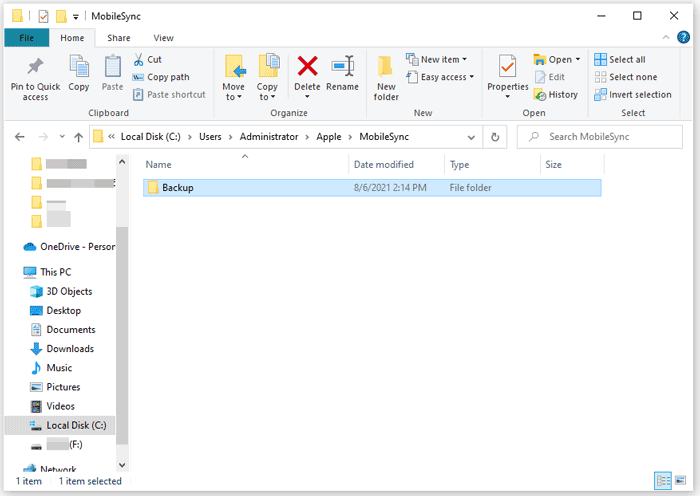
For Mac:
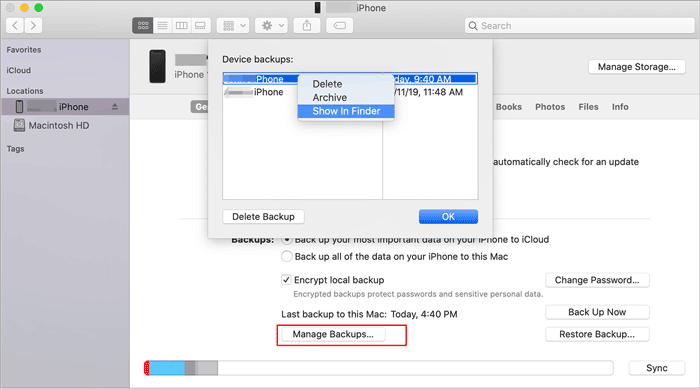
Now, restart iTunes and try again. Please note deleting a backup will permanently remove the data stored in it. Make sure you are not deleting the only copy of important data.
If the existing backup is corrupted or incompatible, creating a fresh backup is often the most direct and effective solution. A new backup ensures that all data is saved properly and can be restored without errors.
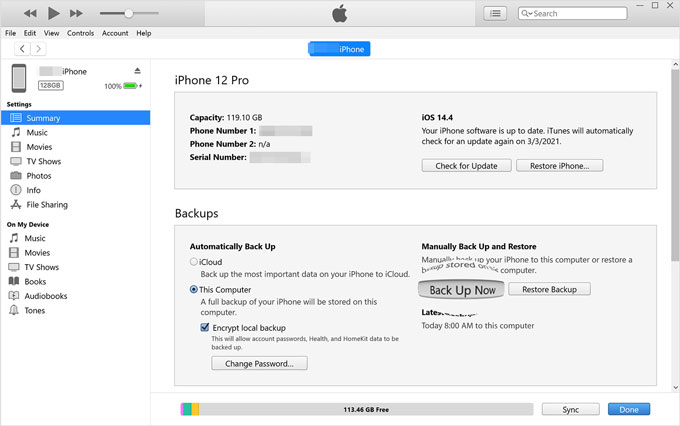
Sometimes, conflicts between existing backup files can cause iTunes to fail during the restore process. Renaming or moving the backup folder can help isolate problematic files and allow iTunes to create or recognize backups properly.
1. Close iTunes completely on your computer.
2. Go to the iTunes backup location on your computer.
3. Find the backup folder (usually a long string of letters and numbers).
4. Right-click the folder and rename it (for example, add "_old" at the end) or move it to another location.
5. Reopen iTunes, reconnect your iPhone, and try the backup or restore process again.
If none of the above methods work, the backup file may be deeply corrupted. In this case, using a professional tool like iOS System Recovery can be a reliable solution. This type of software is designed to fix various iOS system issues and repair abnormal backup or restore errors without causing data loss. It supports different iPhone models and iOS versions, making it easier to resolve complex problems that iTunes cannot handle.
Here is how to fix iTunes backup corrupted using iOS System Recovery:
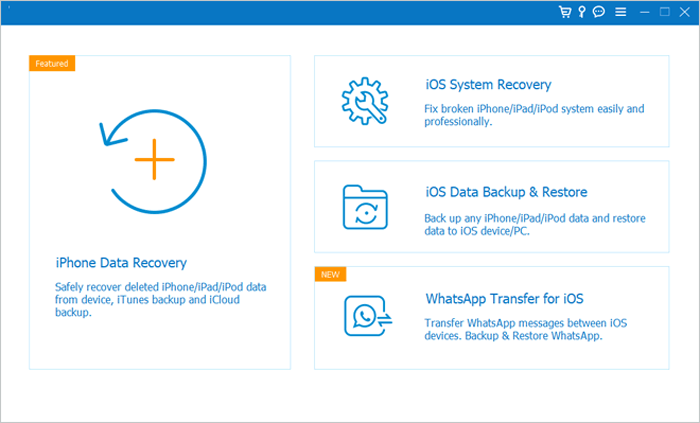
01Download and install iOS System Recovery on your computer, then launch the program. Connect your iPhone to the computer using a USB cable and choose the "iOS System Recovery" mode.
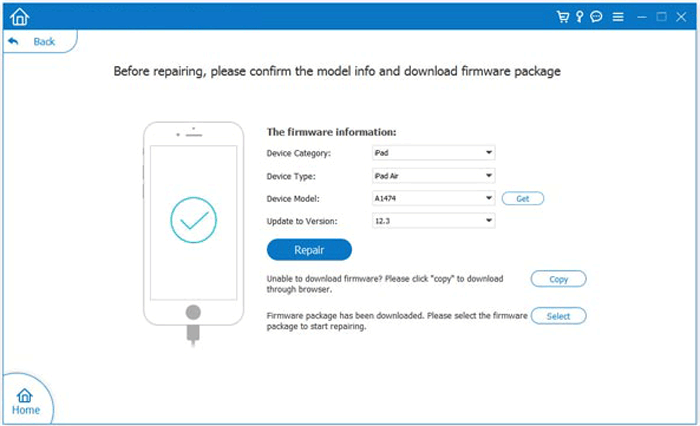
02Follow the on-screen instructions to detect your device and select the appropriate repair mode. Confirm the device information and download the required firmware package.
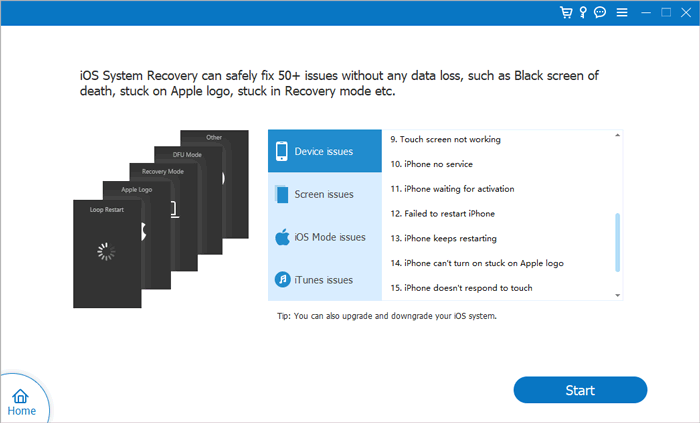
03Click "Repair" to start fixing the system and wait for the process to complete. After that, reconnect your device to iTunes and try restoring the backup again.
Although iTunes is widely used for backup and restore, it has some obvious drawbacks, such as limited flexibility, overwrite issues, and complicated steps. If you want a simpler and more reliable solution, Coolmuster iOS Assistant is a great alternative.
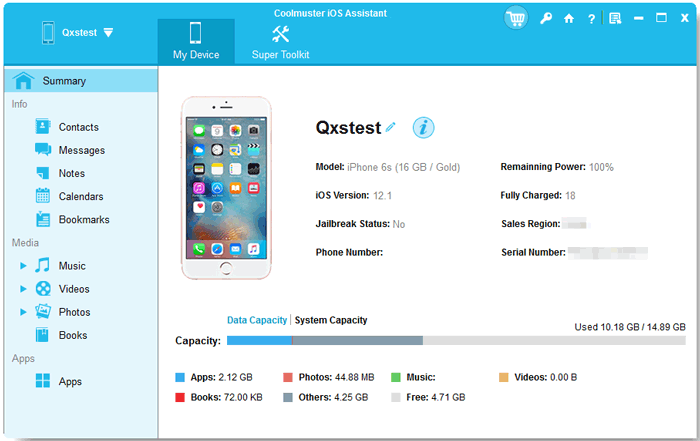
iOS Assistant is a professional iOS data management tool that allows you to back up, restore, and manage your iPhone data easily without relying heavily on iTunes. It offers more control and a user-friendly interface, making the whole process much smoother.
Key features of Coolmuster iOS Assistant:
To back up your iPhone to the computer using iOS Assistant, follow the steps below:
01Download and install Coolmuster iOS Assistant on your computer, then launch the program.
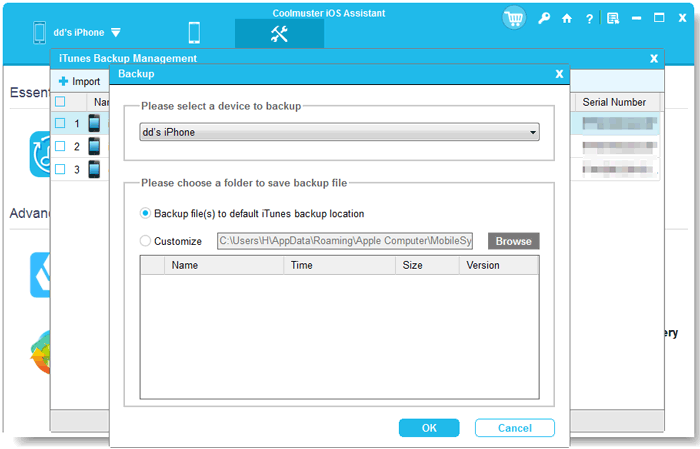
02Connect your iPhone via USB and wait until the software detects your device. Go to the "Super Toolkit" section and click "iTunes Backup & Restore".
03Choose "Backup", select your device, and set a location to save the backup files. Click OK to start backing up your iPhone data.
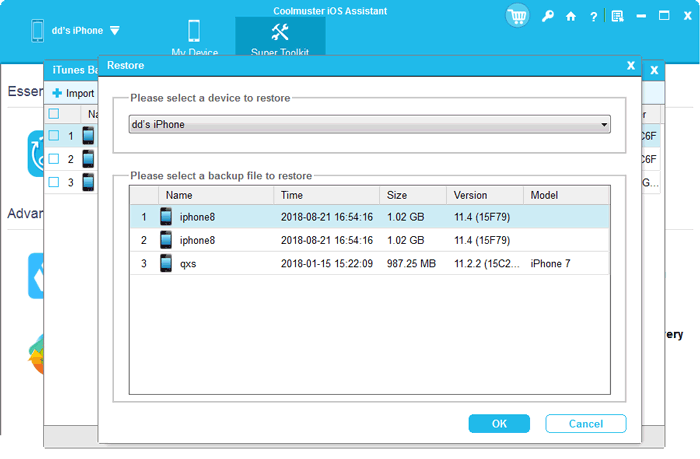
To restore, select "Restore", choose the desired backup file, and confirm to begin the process.
Video Tutorial:
Dealing with the "iTunes backup corrupted or incompatible" error can be frustrating, but in most cases, it can be resolved with the right approach. From simple fixes like restarting devices and updating iTunes to more advanced solutions such as repairing the system or recreating backups, you have multiple ways to solve the problem. If you want a more flexible and hassle-free experience, using an alternative tool like Coolmuster iOS Assistant is highly recommended. It not only helps avoid common iTunes issues but also makes backup and restore much easier and more reliable.
Related Articles:
2 Effective Ways to Recover Voice Memos from iTunes Backup
How to View iTunes Backup: Access iTunes Backup in 2 Ways
What Does iTunes Backup Include? Find the Answers Here!
How to Fix iTunes Back Up Now Greyed Out? - Solutions Unveiled!







 Free Download for PC
  Free Download for Mac


