If your iPhone isn't connecting to your PC and iPhone not showing up on PC, it can be frustrating, especially when you need to transfer photos, back up data, or sync content. This issue can occur for various reasons, ranging from simple connection problems to more complex software or hardware issues. It could be as easy as a faulty USB cable or as complicated as outdated drivers or system settings.
In this guide, we'll walk you through common causes and provide practical solutions to help you fix the "Computer Not Recognizing iPhone" problem.
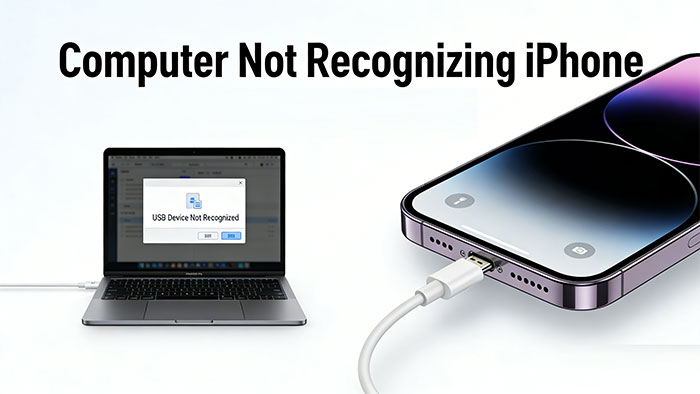
When your iPhone refuses to connect to your PC, it can be due to a variety of reasons. Understanding the root cause is essential to fixing the issue. Here are some common explanations:
1. Outdated Software
If either your iPhone's iOS or the software on your PC (such as Windows or iTunes) is outdated, it may cause compatibility issues. Apple frequently releases updates to improve performance and fix bugs, so it's essential to keep both your iPhone and computer up to date.
2. Faulty USB Cable or Port
A damaged USB cable or a malfunctioning USB port on your computer can prevent your devices from connecting. It's always worth testing your USB cable with another device or using a different port to ensure the issue isn't hardware-related.
3. "Trust This Computer" Not Set
When you connect your iPhone to a new computer, a prompt appears on your iPhone asking whether you trust the device. If you accidentally skip this prompt or don't select "Trust," your iPhone will not establish a connection with your PC.
4. Driver or Service Issues
Your computer relies on specific drivers to recognize your iPhone. If these drivers are missing, outdated, or corrupted, your PC may not detect your device. Similarly, if certain services on your PC (like the Apple Mobile Device Service) aren't running correctly, it could prevent a proper connection.
5. Problems with iTunes
iTunes plays a significant role in connecting your iPhone to your PC. If iTunes is outdated or has installation issues, it can interfere with the connection process and not recognizing iPhone, causing your iPhone to remain undetected.
6. iPhone Settings or Permissions
Sometimes, certain settings on your iPhone, such as restrictions or permissions, may block the connection. Additionally, issues like a locked iPhone or a disabled USB connection could prevent it from connecting to your PC.
By understanding these possible causes, you'll be in a better position to troubleshoot and resolve the problem of your iPhone not connecting to your PC. Let's dive into the solutions that can help you fix this issue.
One of the simplest and most effective solutions to fix the "iPhone not connecting to PC" issue is to restart both your iPhone and your computer. This can help reset the connection and clear up any temporary software glitches that might be preventing the devices from syncing.
Restart iPhone:
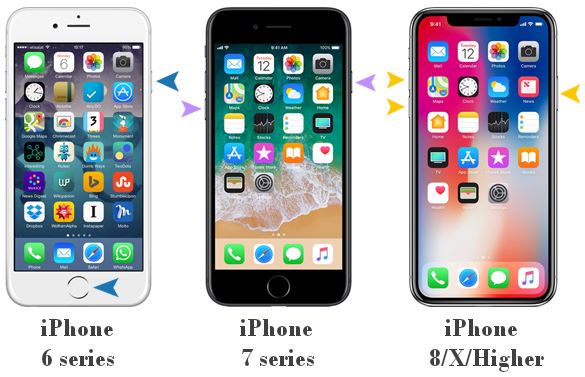
Restart Your PC:
Once both devices are restarted, try reconnecting your iPhone to the PC. If this doesn't resolve the issue, move on to the next fix.
If your iPhone isn't connecting to your PC, the issue could lie with the USB cable or the USB port. A faulty or damaged cable, or even a malfunctioning USB port, can prevent your iPhone from being recognized by your computer.
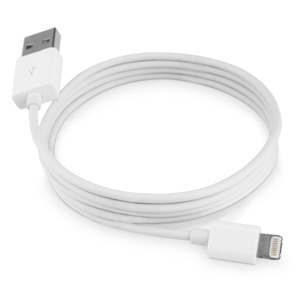
Once you've ensured the cable and port are working, reconnect your iPhone to the computer. If this still doesn't solve the issue, proceed to the next fix.
If your iPhone isn't connecting to your PC, it might be because you haven't trusted the computer. When you connect your iPhone to a new computer for the first time, you'll receive a prompt on your iPhone asking if you trust the device. If you accidentally missed or declined it, your iPhone won't be able to establish a connection.
How to Trust the Computer:
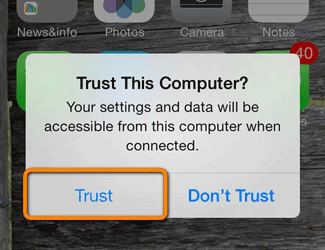
If the prompt doesn't appear, unplug the USB cable, reconnect it, and make sure your iPhone is unlocked. After confirming the trust, try again to see if the connection is established.
If the issue persists, move on to the next fix.
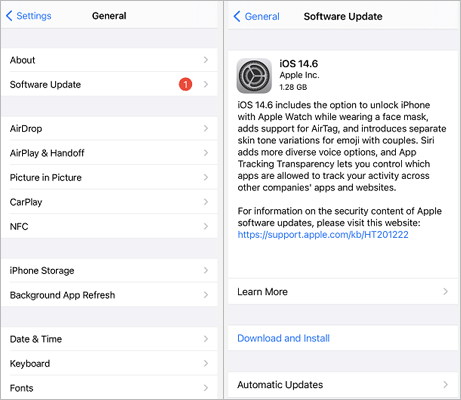
Outdated software on either your iPhone or your PC can cause connection issues. Ensuring that both your iPhone's iOS and your computer's operating system are up-to-date is crucial for resolving compatibility problems.
Update iPhone/iPad:
Update Windows PC:
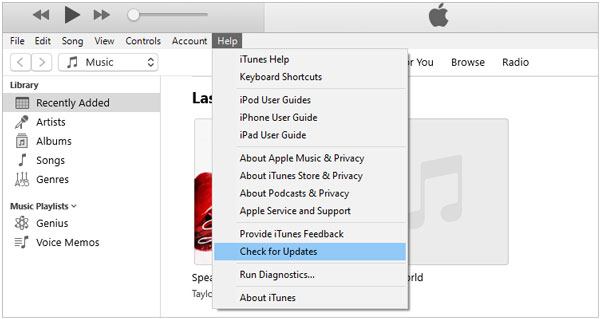
Update iTunes (if applicable):
After updating, try reconnecting your iPhone to your PC. If the issue persists, proceed to the next fix.
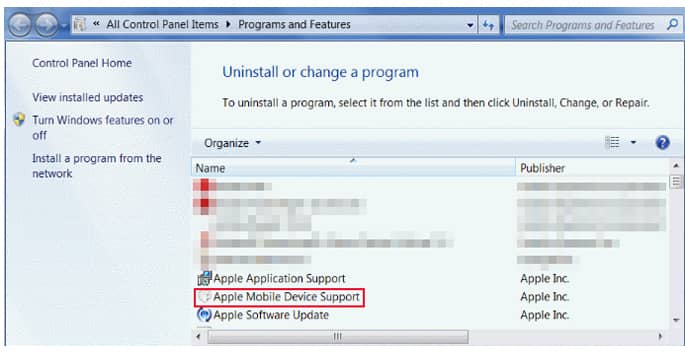
If your iPhone still isn't recognized, it could be due to issues with your PC's USB drivers or the Apple Mobile Device Service. These drivers and services are essential for your computer to detect your iPhone correctly. If they are missing, outdated, or malfunctioning, the connection won't work.
Check USB Drivers:
Restart Apple Mobile Device Service:
Check for Device Conflicts:
If your computer still fails to recognize your iPhone, you can use Coolmuster iOS Assistant, a reliable iPhone data management tool. With built-in drivers, this program allows seamless detection of your iPhone on both Windows PC and Mac after installation. Simply connect your iPhone via USB, and it will be easily recognized by your computer.
Coolmuster iOS Assistant is a secure, professional solution for managing your iPhone data, offering features to import, export, back up, edit, and delete files on both Mac and Windows PCs.
Key Features of Coolmuster iOS Assistant:How to connect iPhone to computer with iOS Assistant:
01Download and install the iOS Assistant for your Windows or Mac computer. Launch the software and use a USB cable to connect your iPhone to the computer. Make sure your iPhone is unlocked.
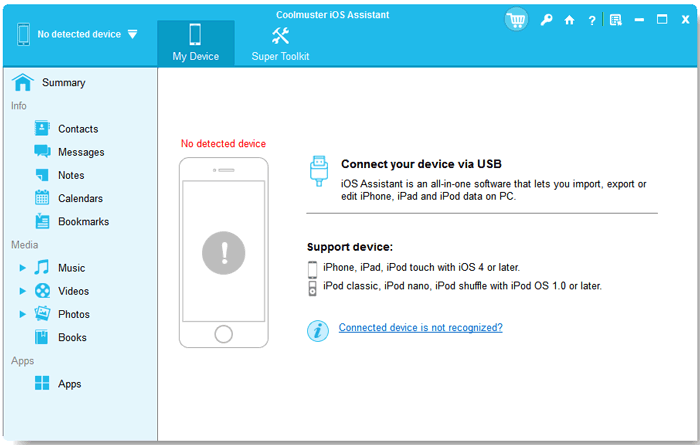
02If this is your first time connecting, make sure to tap "Trust This Computer" on your iPhone and enter your passcode if prompted. Once connected, you can view your iPhone's data on the Coolmuster interface.
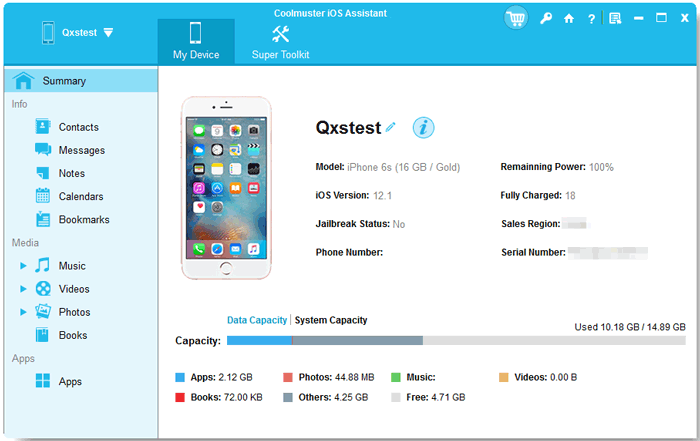
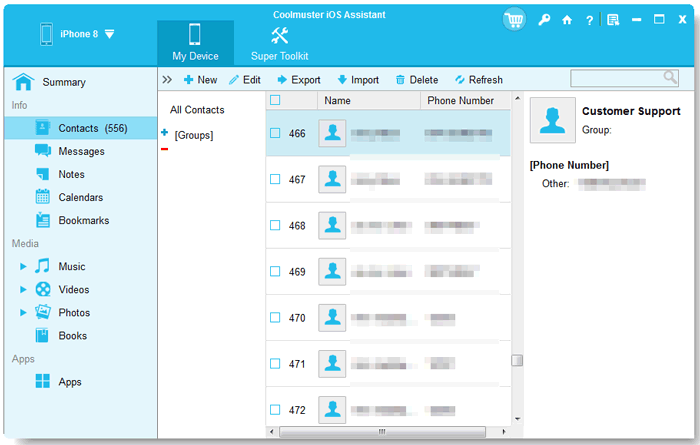
03 You can now transfer files, back up your data, manage contacts, messages, and more using the features provided by the software.
Video Guide:
Connecting your iPhone to your computer can sometimes be tricky, but with the right troubleshooting steps, you can easily resolve the issue. From simple fixes like restarting your devices or checking your USB cable to more technical solutions like updating your drivers or software, most connection problems can be addressed with a few adjustments.
If these fixes don't work, tools like Coolmuster iOS Assistant provide a reliable alternative for managing and transferring data between your iPhone and PC. By following the steps outlined, you'll have your iPhone and computer synced up in no time, making it easier to back up, transfer files, and keep your devices in perfect working order.
Related Articles:
How to Transfer Video from iPhone to Computer/PC Easily?
How to Trust or Untrust Computer on iPhone/iPad




 Free Download for PC
  Free Download for Mac


