TL;DR:
What it is: Error 4005 is a communication failure during an iPhone/iPad update or restore on a computer.
Main Causes: Outdated software (macOS/iTunes/Windows), a faulty USB cable, security software blocking the connection, or a brief device disconnect.
Quick Fixes to try first: Force restart your iPhone, update your Mac (using Finder) or Windows PC (using iTunes or Apple Devices app), and use an Apple-certified USB cable directly connected to your computer.
Important: On Macs with macOS Catalina or later (2019+), Apple replaced iTunes with Finder to manage your iPhone. Almost all modern Mac guides reference Finder, not iTunes.
Best Solution to preserve data: Use a dedicated iOS system recovery tool to fix the issue without erasing your device.
Last Resort: DFU mode restore (this will erase all data if you don't have a backup).
iTunes error 4005, which is also called iPhone error 4005, usually occur when you try to update or restore iPhone with iTunes on Windows PC or Mac computer. Usually, you will get an error message from iTunes, saying:
"The iPhone "iPhone" could not be restored. An unknown error occurred (4005)."
This could be very frustrating for you can not continue the restoration or upgrade process for this error. However, you can find out solutions to fix iPhone or iTunes error 4005 in this post. Just read on to learn more details.
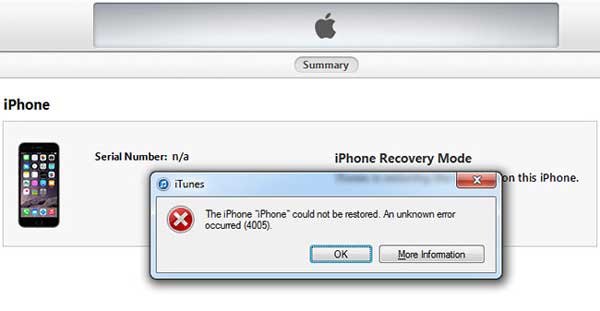
There are many reasons to cause iPhone or iTunes error 4005 on iPhone/iPad/iPod while upgrading or restoring. Here are some possible factors to make iTunes error 4005 happen as following. You can check them one by one and find out the most likely reason to cause your iPhone error.
1. Software-related causes:
2. Hardware & connection-related causes:
3. Other factors:
For safely fixing iTunes or iPhone error 4005 without losing data or damaging files from iPhone, here it is highly recommended a professional recovery tool to all - iOS System Recovery to fix iPhone error 4005 or iTunes error 4005.
It is one of the best iPhone repair software which good at fixing all types of system problems on iPhone/iPad/iPod, including iPhone error 4005, iPhone gets stuck in recovery mode, iPhone is stuck in black/blue/red/white screen, iPhone stuck on Apple logo and etc. Besides, this program widely supports all generations of iOS device, including the iPhone 17//16/15/14/13/12/11/11 Pro/11 Pro Max/XR/XS/XS Max/X, iPad mini, iPod touch and etc.
Below are the free trials of the software in Mac and Windows version, please don't hastate to download it on your computer for free and resolve the problem step by step with the guide as below.


Here is how to fix iPhone error 4005 with iOS System Recovery tool:
Step 1. Connect iPhone to PC
After downloading and installing the relevant version of the software on your Windows PC or Mac computer, please launch the program and make iPhone and computer connected with a USB cable. Then switch to "More tool" > "iOS System Recovery" mode under the main interface.
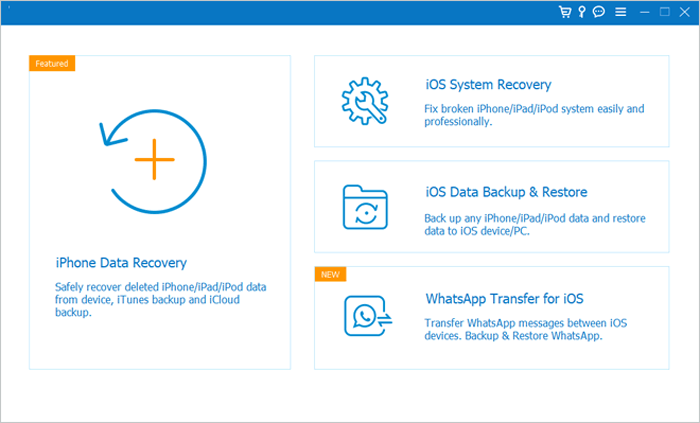
Step 2. Detect iPhone's system problem
The program will automatically detect your iPhone and display the likely problems of your iPhone may have, like iPhone error 4005, Screenshot Not Working, iPhone Stuck on Apple logo, Recovery mode and etc. Please just click the "Start" button to move to next step.
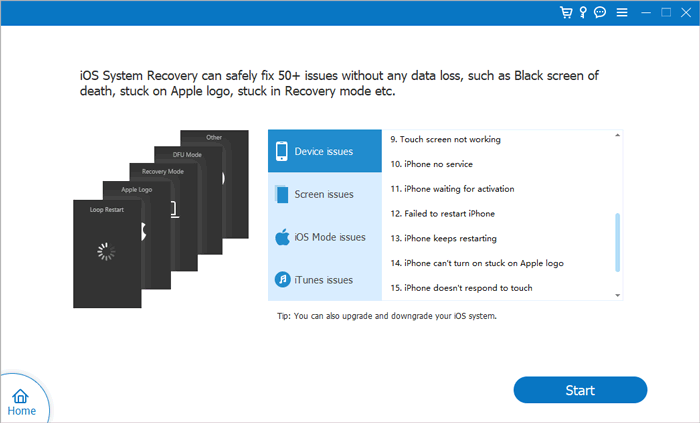
Step 3. Start to fix iPhone or iTunes error 4005
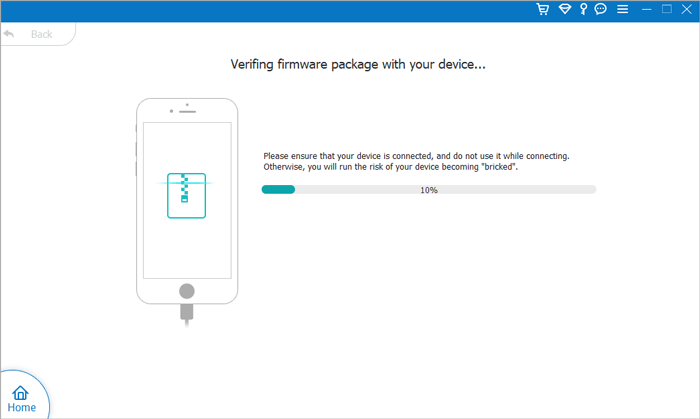
Then you need to confirm the information of your iPhone as prompted. If the the information is right, please click the "Repair" button to begin fixing iPhone Error 4005. If it is not right, just select the correct one and hit the "Repair" button to start repairing.
To fix iPhone error 4005, the program will detect the current iOS version of iPhone, then download the latest firmware version on your iPhone. After that the iTunes error 4005 will be fixed immediately.
See Also: 3 Ways to Fix Error 1 while Restoring iPhone
Outdated software is one of the most common triggers for error 4005. If you are running an outdated iTunes version, then you can try to update iTunes to the latest version to get rid of iTunes error 4005. It is very easy to do and sometimes it works.
On macOS Catalina or later (2019+): Go to System Settings - General - Software Update to update macOS. Use Finder to manage your iPhone, not iTunes.
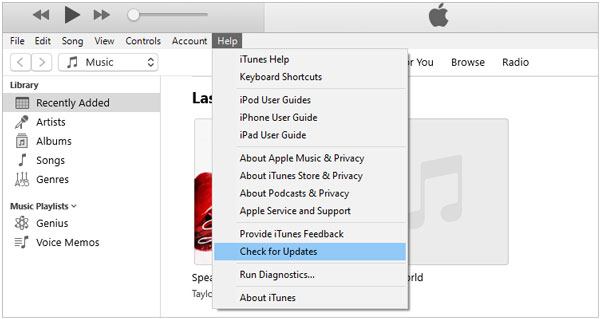
On Windows or older macOS: Launch iTunes - click Help - Check for Updates. Alternatively, download the latest version from Apple's official website.
On Windows (new method): You can also use the Apple Devices app from the Microsoft Store for device management.
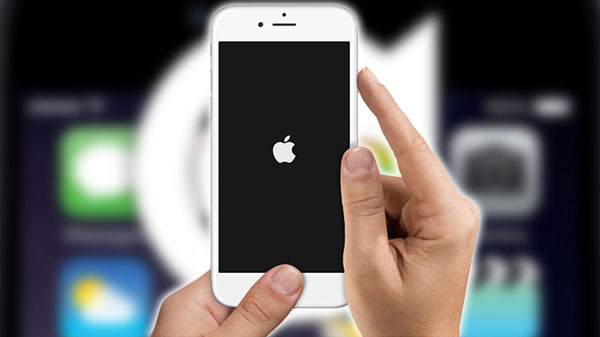
A force restart clears temporary glitches without erasing data. You can try to force restart your iPhone, iPad, iPod touch to see if it can fix the iPhone error 4005 or iTunes error 4005 or not.
iPhone 8 or later: Press and quickly release Volume Up - Volume Down - then press and hold the Side button until the Apple logo appears.
iPhone 7 / 7 Plus: Press and hold the Side button + Volume Down until the Apple logo appears.
iPhone 6s or earlier: Press and hold Home + Side/Top button until the Apple logo appears.
See Also: How to Fix A Disabled iPhone
Warning: DFU mode will erase all data on your iPhone. Do this only if you have a recent iPhone backup.
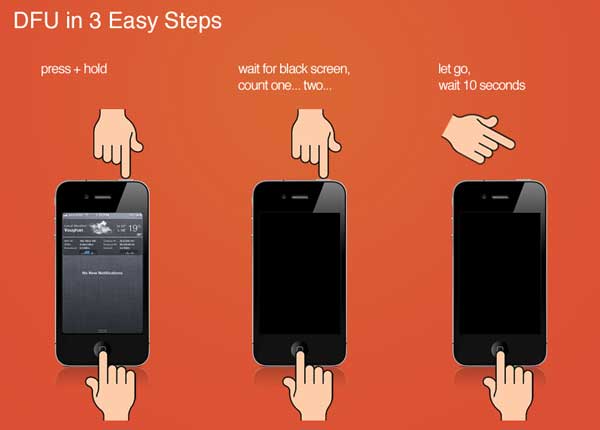
You can hard reset your iPhone to fix iPhone or iTunes error 4005 by putting iPhone into DFU mode (Default Firmware Update mode).
Here is how to enter DFU mode:
1. Connect your iPhone to your computer and launch iTunes (Windows/old macOS) or open Finder (macOS Catalina+).
2. For iPhone 8 or later: Press Volume Up - Volume Down - then press and hold the Side button for 10 seconds - continue holding Side button while pressing Volume Down for 5 seconds - release Side button but keep holding Volume Down for another 10 seconds.
3. For iPhone 7 series: Press and hold Side + Volume Down for 8 seconds - release Side button but continue holding Volume Down until iTunes/Finder detects the device.
4. For iPhone 6s or earlier: Press and hold Home + Side button for 8 seconds - release Side button but continue holding Home until detected.
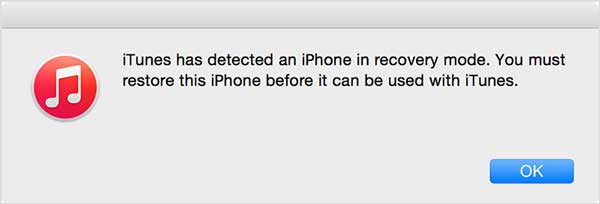
5. iTunes/Finder will show a message: "iTunes has detected an iPhone in recovery mode."
6. Click Restore iPhone. Your device will be wiped and restored to factory settings.
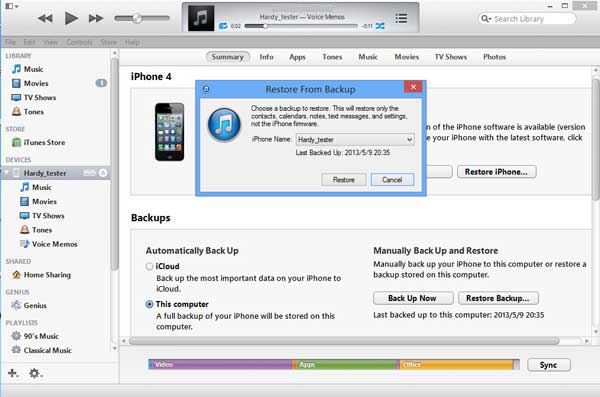
Firewalls, antivirus programs, and VPNs can block communication between iTunes/Finder and Apple's servers.
Temporarily disable your firewall or antivirus.
Disconnect any active VPN.
Check Apple's System Status page to ensure servers are online.
Try the restore again.
Faulty cables are a leading cause of error 4005.
Always use an Apple-certified (MFi) USB cable.
Connect directly to your computer - avoid USB hubs.
Try a different USB port, preferably one on the back of your PC (directly on the motherboard).
Test with another computer to isolate the issue.
If all else fails, attempt the restore on another computer. This helps determine whether the issue is with your primary computer (software/driver conflicts) or the iPhone itself.
Error 4005 indicates that your iOS device disconnected from the computer or the computer was unable to properly communicate with the device during an update or restore. According to Apple's official support, this typically points to a USB connection issue, outdated software, or security software blocking the connection.
No, but they are closely related. Error 4005, 4013, and 4014 all occur when the device disconnects or communication fails. However, error 4013 and 4014 often involve hardware-specific issues (e.g., faulty components like the front camera or haptic engine), while 4005 is generally software or connection-related.
It depends on the method you choose. Using a professional iOS system recovery tool repairs the issue without any data loss. However, using DFU mode or clicking Restore in iTunes/Finder will erase all data on your device unless you have a recent backup. See how to recover data from iPhone in DFU Mode if needed.
Persistent error 4005 usually points to one of three issues: a faulty USB cable (most common), security software blocking the connection, or potential hardware problems. Try a different cable, disable antivirus/firewall temporarily, or test on another computer.
Recovery mode is a standard restore mode that preserves your data if you click "Update." DFU (Device Firmware Update) mode is a deeper restore that completely wipes the device and reinstalls the firmware from scratch. DFU mode is more powerful but erases all data.
On macOS Catalina (2019) and later, Apple replaced iTunes with Finder. To manage your iPhone, open Finder and select your device under "Locations." iTunes no longer exists on modern Macs.
Always update your Mac or Windows PC before restoring an iPhone.
Use only Apple-certified USB cables.
Connect directly to your computer - avoid USB hubs.
Keep your iPhone charged to at least 50% before any update.
Disable VPN and firewall software temporarily during restores.
If you've tried all the solutions above (updated software, multiple cables, different computers, and DFU mode) and still see error 4005, contact Apple Support. Persistent 4005 errors may indicate underlying hardware damage that requires professional repair.
Error 4005 can be frustrating, but with the right troubleshooting steps - from updating your software and checking your USB connection to using a dedicated iOS repair tool or DFU restore - you can almost always resolve the issue. If none of these solutions work, contact Apple Support, as a hardware problem may be the root cause.
Related Articles:
How to Fix 'iTunes Driver Not Installed' on Windows 10/11 with Foolproof Methods
Fixes for iPhone Cannot Be Used Because It Requires a Newer Version of iTunes








 Download for PC
 Download for Mac

