When an iPhone or iPad malfunctions, freezes, or experiences performance issues, many users consider resetting the device as a potential solution. Resetting can often resolve software glitches, restore default settings, or prepare a device for resale. However, you may be unsure what exactly happens when you reset your iPhone, what types of resets are available, and how to protect their important data beforehand.
This article will guide you through the different reset options on iPhone and iPad, explain what happens to your data and settings during each type of reset, and provide tips to reset your device safely without losing important information.
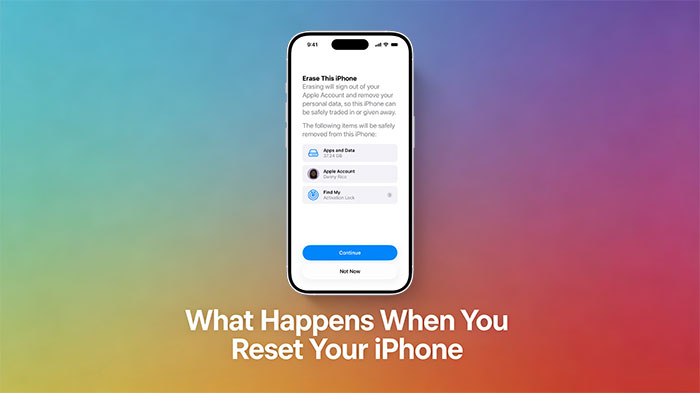
When you wonder, "What happens if I reset my iPhone?", the first thing to know is that not all resets work the same way. iPhones provide several reset options, each serving a different purpose. Some simply restart the system, while others restore settings or completely wipe all data.
Here's a closer look at each type:
Restarting your iPhone is the most basic reset. It involves turning the device off and then on again.
This process:
A restart is often enough if your iPhone is temporarily freezing, lagging, or behaving sluggishly.
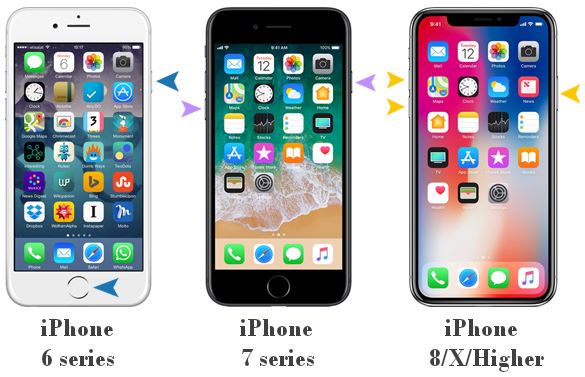
A hard reset, also called a force restart, is used when your iPhone stops responding and cannot be turned off normally (iPhone Force Restart Not Working?).
This type of reset:
If you use a hard reset, nothing on your iPhone is deleted. It simply forces the system to restart safely.
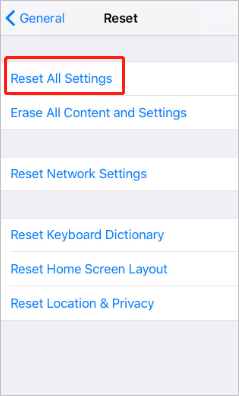
The "Reset All Settings" option restores system preferences to their defaults without affecting your personal files.
It will:
This is a useful choice when your iPhone is experiencing configuration problems, but you want to preserve your content.
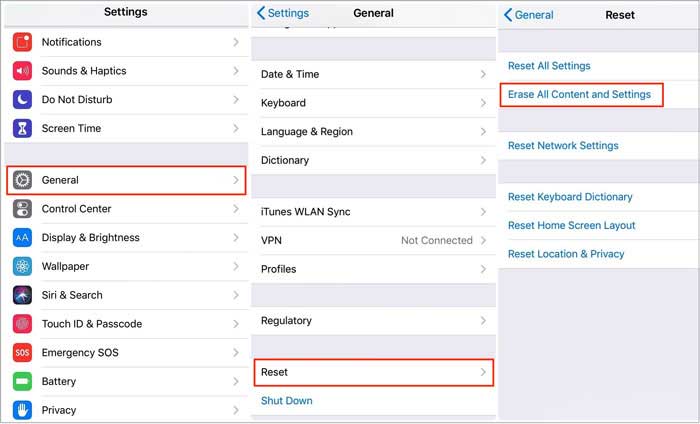
A factory reset is the most comprehensive reset option. It wipes your iPhone clean, returning it to its original state.
This reset:
If you perform a factory reset, all data is permanently removed unless you restore it from a backup. This option is ideal for troubleshooting serious issues or preparing the device for resale.
You can read this post to learn Reset vs Erase All Content and Settings. Then, you will know which one you need to perform on your iPhone:
The effect of a reset on your data depends entirely on the type of reset you choose. Here's a quick overview:
Understanding these differences is essential before choosing a reset. While restarts and hard resets are safe for troubleshooting minor issues, a factory reset should always be preceded by a backup to avoid losing important information.
Backing up your iPhone or iPad is an essential step before performing any reset, especially a factory reset. This ensures that you can restore your data, apps, and settings afterward without losing important information. There are several ways to back up your device:
Ensure your device is connected to Wi-Fi and has enough iCloud storage for all your data. Click here if your iCloud storage is full.
On Mac (macOS Catalina or later):
On Windows or older Mac versions (iTunes):
If you prefer more control over your iPhone or iPad backups, Coolmuster iOS Assistant is a reliable and user-friendly solution. This software allows you to back up your entire device or selectively save important data to your computer without relying on iCloud or iTunes.
Its one-click backup feature makes the process quick and simple, and it supports a wide range of content including contacts, messages, photos, videos, call logs, and apps. Whether you want a full backup before a factory reset or a selective backup of key files, Coolmuster iOS Assistant provides a safe and efficient way to protect your data.
Steps to Back Up Your iPhone/iPad Using Coolmuster iOS Assistant:
01Download and install Coolmuster iOS Assistant on your computer and launch the program. Connect your iPhone or iPad to the computer using a USB cable and trust the computer if prompted.
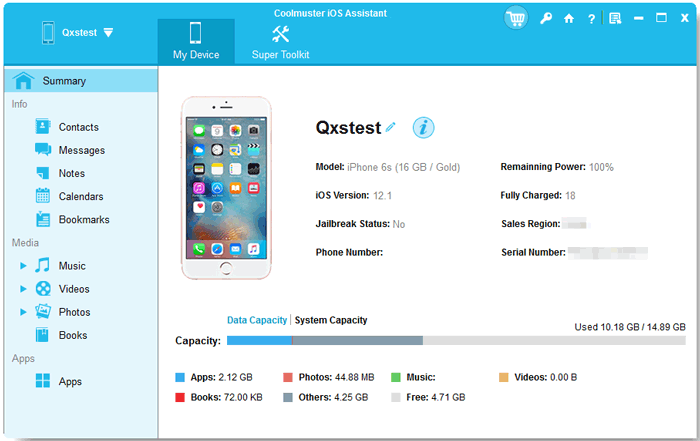
02In the main interface, click "Super Toolkit" at the top of the window. Select "iTunes Backup & Restore" from the options and click "Backup" to start a one-click backup of your entire device.
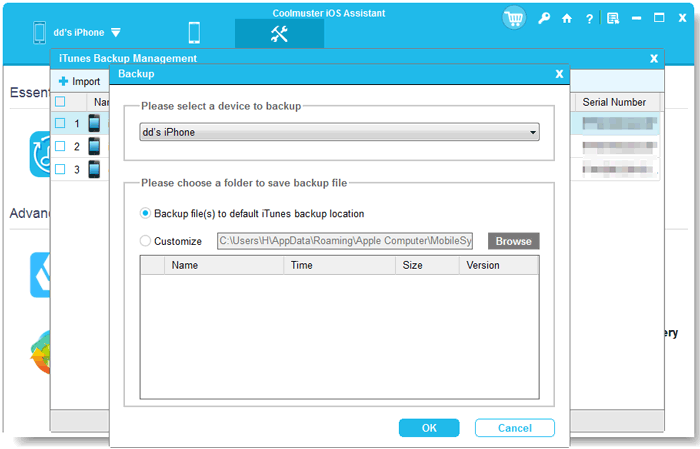
03Choose the backup location on your computer and confirm to begin the process. Wait until the backup completes; do not disconnect your device during the process.
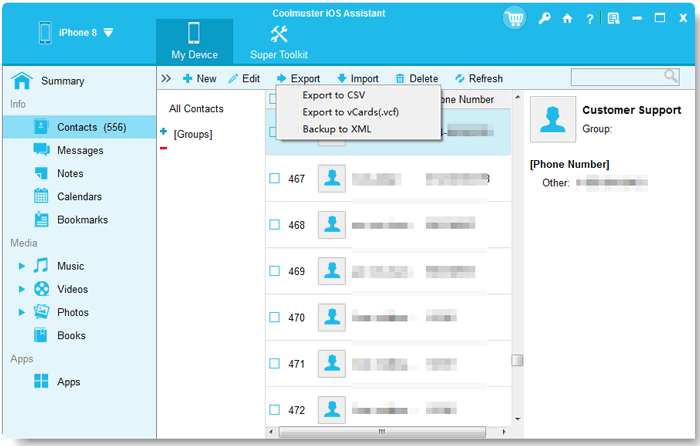
If you want to back up only specific data instead of the entire device, use the "Export" feature within iOS Assistant. This allows you to selectively save contacts, messages, photos, or other files to your computer, giving you more flexibility and saving storage space.
Video Guide:
Sometimes, resetting your iPhone or iPad may not go as smoothly as expected. Knowing common issues and their solutions can save time and prevent frustration. Here are the most frequent problems and how to fix them:
1. iPhone Stuck on Apple Logo
If your device is frozen on the Apple logo after a reset:
2. Reset Takes Too Long or Freezes
3. Cannot Sign in After Factory Reset
4. Lost Data After Reset
Extra Tips
Resetting your iPhone or iPad can solve many issues, from minor glitches to serious software problems, but it's important to understand the different reset types and their effects. Soft resets and hard resets are safe for troubleshooting, while "Reset All Settings" restores system preferences without deleting data. A factory reset erases all content, so backing up your device beforehand is essential. By following proper reset steps, performing backups, and knowing how to troubleshoot common problems, you can reset your iPhone or iPad safely and confidently without losing important data.
Related Articles:
How to Reset iPad to Factory Settings: Step-by-Step Guide
[4 Ways] How to Clear iPad to Sell Safely and Effectively?
4 Best Methods to Factory Reset iPhone without Password/Passcode
How to Factory Reset iPhone without iTunes? (Accessible & Disabled iPhone)




 Free Download for PC
  Free Download for Mac


