"Is there a way to completely disable the lock screen, so that on activation, you are straight into the phone's home page or last app in use without having to make an extra step of dismissing the lock screen?"
- From Reddit
Lock screens are essential for protecting our Android devices, but there are times when we may need to disable them, whether it's due to forgotten passwords, troubleshooting, or simply wanting quicker access to our phone. In this guide, we'll explore multiple methods to disable the Android lock screen. Whether you're a casual user or an advanced Android enthusiast, we've got you covered with step-by-step instructions.
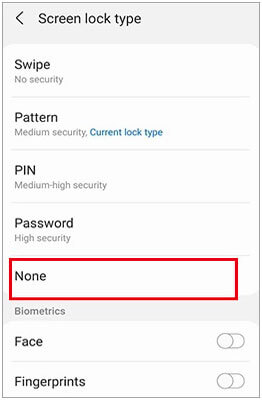
The easiest and most straightforward way to disable your Android lock screen is through the device's settings. Here's how you can do it:
Step 1. Open the Settings app on your Android device.
Step 2. Scroll down and select "Security" or "Lock Screen & Security".
Step 3. Choose "Screen Lock" or "Lock Screen Type".
Step 4. Select "None" to disable the lock screen completely.
If you want to avoid the screen locking automatically without fully removing it, you can use the Developer Options to keep the screen on:
Step 1. Enable Developer Options by going to "Settings" > "About Phone" and tapping "Build Number" seven times.
Step 2. In the Settings menu, go to "Developer Options".
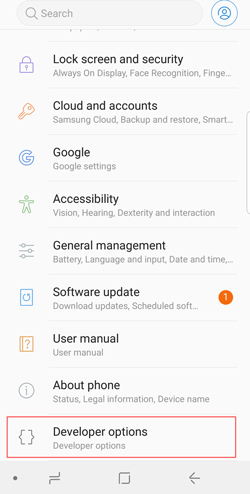
Step 3. Enable "Stay Awake" to keep your device's screen from automatically locking while charging.
Note: While this doesn't entirely disable the lock screen, it can be useful if you want to keep the screen active for extended periods, such as during presentations or long sessions.
If you're locked out of your Android device (e.g., forgot PIN, pattern, or password) and can't access system settings to disable the lock screen directly, an Android unlock tool is a reliable solution. It bypasses existing screen locks and lets you disable the lock screen permanently after regaining access.
Android Unlocker is a professional tool designed to remove various Android lock screens, with the added advantage of preserving data for Samsung devices. It's ideal for users who need to disable the lock screen but can't operate the device normally due to forgotten credentials.
Key Features of Android Unlocker:
How to Use Android Unlocker to Regain Access & Disable Lock Screen:
01Download and install Android Unlocker on your computer.
02Launch the software, select "Remove Screen Lock", and choose "Remove without Data Loss" (for Samsung) or the appropriate mode for other brands.
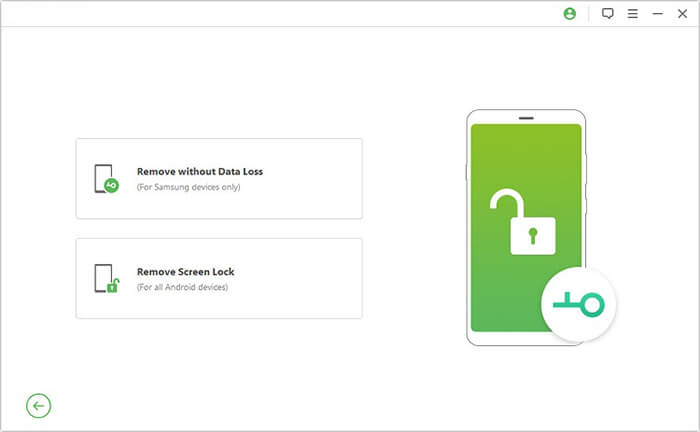
03Connect your locked Android device to the computer via USB cable, select your device model, and download the matching data package.
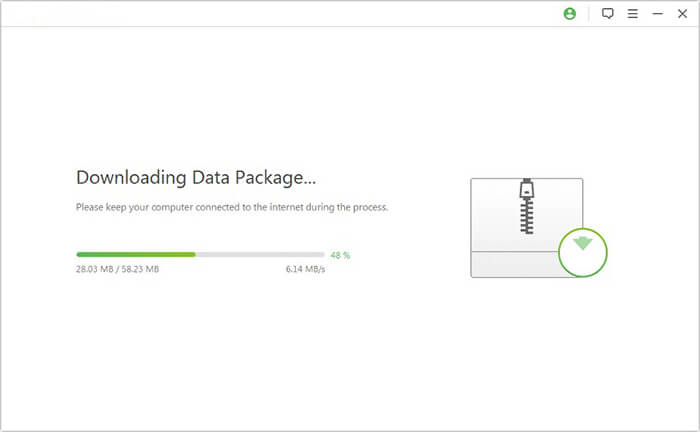
04The software will initiate the unlocking process. After a few moments, your device will restart, and the lock screen will be removed.
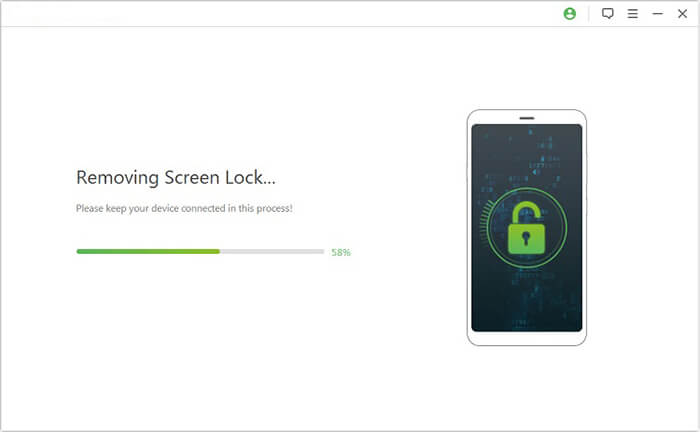
For those who are comfortable using technical tools, ADB (Android Debug Bridge) offers a way to disable the lock screen via command-line instructions. Here's how to do it:
Step 1. Install ADB on your computer if it's not already set up.
Step 2. Enable USB Debugging by navigating to "Settings" > "Developer Options" on your Android phone and toggling on USB Debugging.
Step 3. Open a command prompt (or terminal) on your computer and enter the following ADB command: adb shell rm /data/system/gesture.key.
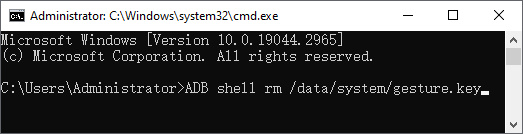
Step 4. Restart your device, and the lock screen should be disabled.
OK, you have removed your lock screen on the Android device now. Keep in mind that disabling your Android lock screen means quicker access to your device, but it also removes the first layer of protection for your data. If your phone is lost or accessed by others, sensitive files like photos, contacts, and messages could be at risk, so backing up your data promptly is a smart step.
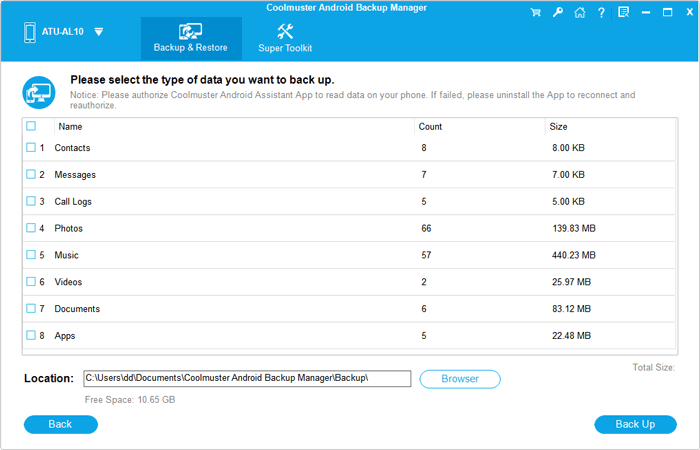
Coolmuster Android Backup Manager simplifies this process, letting you securely back up key data without hassle. It supports backing up contacts, messages, photos, videos, call logs, and other important files to your computer, ensuring your data stays safe even with the lock screen disabled.
01Download and install Coolmuster Android Backup Manager on your computer.
02Connect your Android device to the computer using a USB cable.
03Launch the software, select the "Backup" mode, and check the data types you want to back up (e.g., contacts, photos).
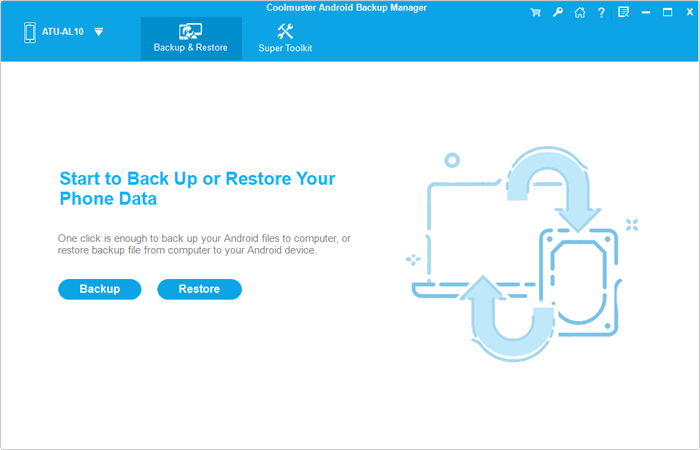
04Click "Back Up" to start the process. Wait for a few minutes until it's completed, and your data will be stored securely on your computer.
Disabling the Android lock screen can be done through several methods, from simple settings adjustments to advanced techniques like ADB commands. Whether you prefer a quick and easy solution or a more technical approach, you now have the tools to regain access to your device. Remember to back up your data after making changes to ensure it stays safe, and consider using tools like Coolmuster Android Backup Manager for hassle-free data management.
Related Articles:
How to Remove Screen Lock PIN on Android with or without Password
3 Easy Ways to Remove Swipe Screen to Unlock Samsung Phone
How to Bypass Fingerprint Lock on Android? [Informative Guide]





 Free Download for PC
  Free Download for Mac


