With the growing demand for cross-device experience, running Android on Mac has become a common need for developers, gamers, and daily users. Whether you want to test Android apps, play mobile games on a larger screen, or sync mobile operations to your Mac, there are reliable solutions tailored to different needs. This guide will detail both emulator-based and non-emulator methods, along with practical tips to help you achieve seamless Android-Mac integration.
One of the most common ways to run Android on a Mac is by using an Android emulator. These software programs create a virtual Android device on your Mac, allowing you to run Android apps and games. Some popular Android emulators include:
* BlueStacks: This is one of the most well-known Android emulators for both Windows and macOS. It's user-friendly and supports a wide range of Android apps and games.
* NoxPlayer: Nox is another solid option, offering smooth performance for gaming and other apps. It also includes several customization options, making it versatile.
* Genymotion: Mostly aimed at developers, Genymotion is excellent for testing Android apps in various simulated environments, but it's not ideal for casual users.
* LDPlayer: A newer option, LDPlayer is optimized for gaming and can run many high-performance Android games without lag.
Steps to Use an Android Emulator on Mac:
Step 1. Download and install the emulator (e.g., BlueStacks or NoxPlayer).
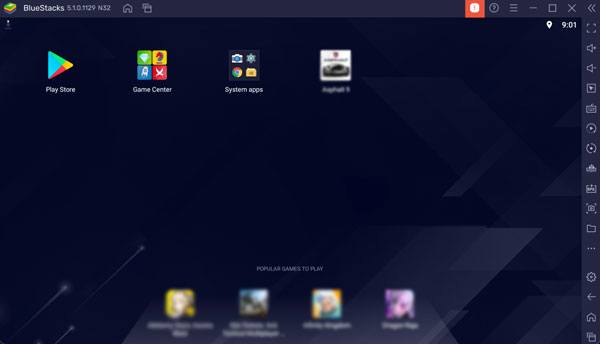
Step 2. Open the emulator and sign in with your Google account.
Step 3. Browse and download apps directly from the Google Play Store within the emulator.
Step 4. Enjoy running Android apps and games on your Mac.
If you prefer to avoid the resource-heavy emulators, there is a simpler and more efficient way to run Android on Mac using Phone Mirror. Unlike traditional emulators that create a virtual Android system, Phone Mirror lets you control your actual Android device, providing a smoother experience and better compatibility.
Key Features of Phone Mirror
How to Access Your Android Phone via Mac with Phone Mirror
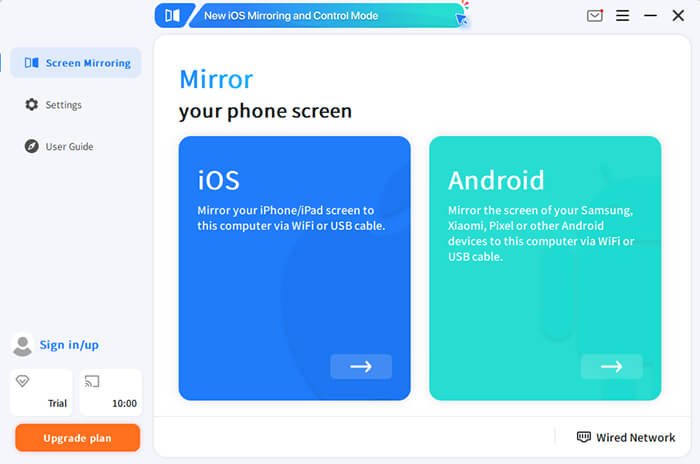
01Download and install Phone Mirror on your Mac. Once installed, launch the application and select "Android" from the interface.
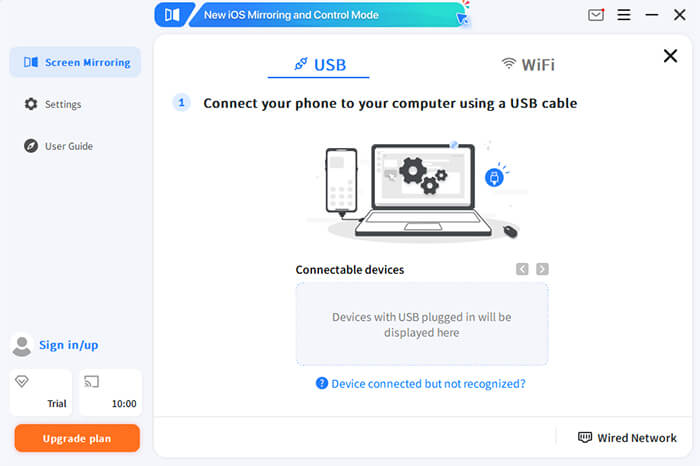
02Follow the on-screen prompts to connect your Android device to your Mac. You can connect via USB cable or Wi-Fi, depending on your preference.
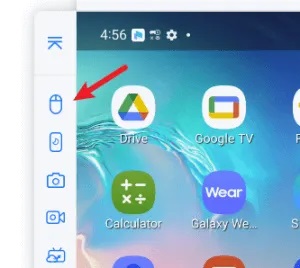
03Once the connection is established, your Android device's screen will appear on your Mac. To gain full control of your Android device, click the "Mouse" icon in the sidebar. You can now control your Android phone using your Mac's keyboard and mouse.
1. Are there any limitations to running Android on Mac?
One of the key limitations is that some Android apps may not work perfectly on emulators due to differences in device architecture. Furthermore, without an actual Android device, certain features like GPS or camera functions may be limited.
2. Does running Android on Mac affect performance?
Yes, running Android on a Mac via emulators can consume a lot of system resources, especially if your Mac has lower RAM or an older processor. Mirroring an actual Android device may have less of an impact on performance.
3. Does running Android apps on Mac void my warranty?
No, using emulators or mirroring tools does not void your Android device's warranty, as they only affect the software on your Mac, not the device itself.
Running Android on a Mac opens up many possibilities, from testing apps to enjoying Android games on a larger screen. If you prefer an emulator, options like BlueStacks and NoxPlayer provide a complete Android experience. However, if you prefer a more direct and seamless solution, Phone Mirror is an excellent alternative, allowing you to mirror your Android device to your Mac without the need for complex setups or heavy system requirements. Whether you're a developer or just a casual user, there's a solution for everyone.
Related Articles:
8 Top-notch Android File Transfer Apps for Mac [Full Guide]
5 Effective Solutions to Transfer Photos from Android to Mac Wirelessly
6 Simple Ways to Fast Connect Android to Mac (Proven & Effective)
Top-Rated Approaches in Transferring Files from Android to Mac Effectively




 Free Download for PC
  Free Download for Mac


