TL;DR:
Quick answer to transfer contacts from Excel to your iPhone:
To import contacts from Excel to iPhone, you need to save your Excel spreadsheet as a CSV file first, as iOS cannot directly read .xlsx files. You can then sync contacts using iCloud (via vCard), Google Contacts, iTunes/Finder, or third-party transfer software. Manually entering entries can be tedious when switching to a new phone.
In this guide, you will find the most efficient, updated methods to transfer your contact list from Excel to iOS seamlessly.
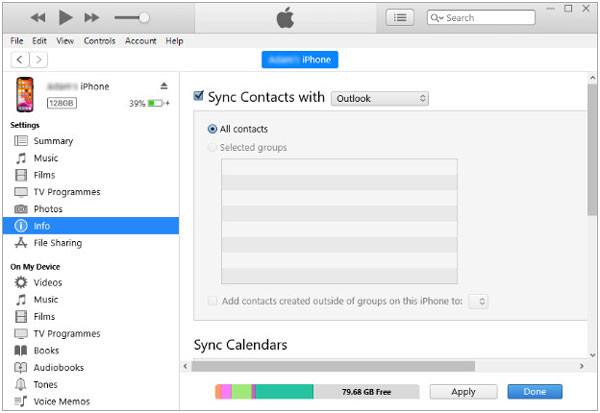
If you use Windows PC or older macOS versions, iTunes remains a reliable solution to sync contacts between computer and iPhone. Note that on macOS Catalina or later, iTunes is replaced by Finder, but the process is similar.
Step 1. Prepare Your File: Save your Excel workbook (.xlsx) as a CSV (Comma Separated Values) file and import it into Outlook or Windows Contacts first.
Step 2. Connect your iPhone to your computer using a USB cable. Launch iTunes (or open Finder on macOS).
Step 3. In iTunes, click on the device icon near the top left corner. From the left sidebar, click on the Info tab.
Step 4. Check Sync Contacts with and select Outlook or Windows Contacts where your Excel contacts are stored.
Step 5. Choose All contacts or select specific groups, then click Apply at the bottom right corner to start synchronization.
If you prefer a cloud-based transfer without installing extra software, you can import contacts from Excel to iPhone using iCloud or Google Contacts.
Because iCloud only accepts vCard (.vcf) format, you must convert your Excel CSV file into a .vcf file before importing to iCloud. Follow these updated steps: (How to back up iPhone contacts to iCloud?)
Step 1. Open your Excel file and click File > Save As > CSV (Comma delimited) (.csv). Use a free online converter or Windows Contacts app to convert the CSV file into a vCard (.vcf) format.
Step 2. Launch a web browser on your computer and navigate to icloud.com. Sign in with your Apple ID credentials.
Step 3. Click on the Contacts icon to open the iCloud Contacts dashboard.
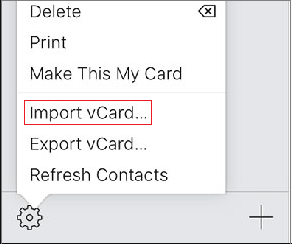
Step 4. Click the "+" icon or gear icon in the interface and select Import vCard.
Step 5. Select the .vcf file you converted from Excel. iCloud will immediately upload and process the contacts into your account.
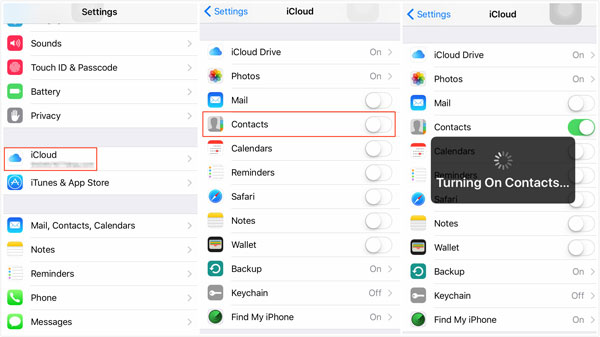
Step 6. On your iPhone, open Settings > [Your Name] > iCloud > Show All (or Saved to iCloud) and ensure Contacts is toggled ON. Your Excel contacts will automatically sync to your iPhone Contacts app.
The fastest way to import Excel contacts without converting to vCard is via Google Contacts, which directly supports CSV file uploads.
Step 1. Open your Excel sheet and select File > Save As > CSV (Comma delimited).
Step 2. Open a browser and go to Google Contacts. Log in with your Google account.
Step 3. In the left menu, click Import. Click Select file and choose your saved Excel CSV file, then click Import.
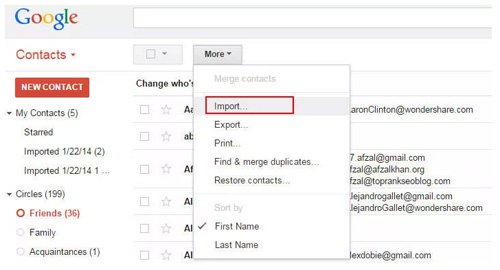
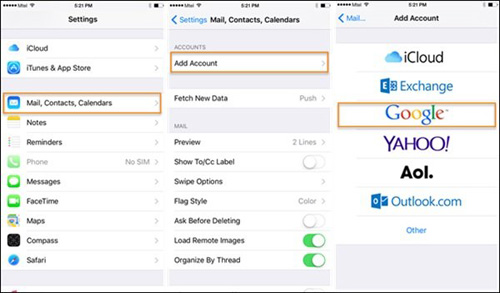
Step 4. On your iPhone, navigate to Settings > Contacts > Accounts > Add Account (or Settings > Mail > Accounts depending on iOS version). Tap Google and sign in.
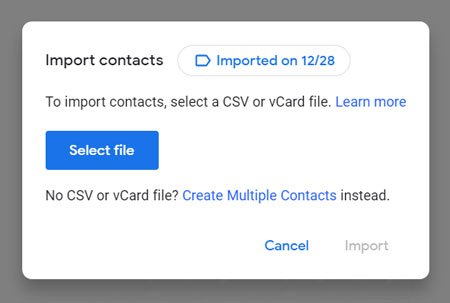
Step 5. Turn on the Contacts switch and tap Save. All imported Excel contacts will instantly appear in your iPhone Contacts app.
Learn more how to restore contacts from Google if needed.
If you need to backup or edit your iOS contacts on a computer, Coolmuster iOS Assistant offers a simple solution. It allows you to export iPhone contacts directly to Excel-compatible CSV format, vCard, or XML files without iTunes limitations. You can also edit contact names, numbers, and emails directly on your PC/Mac.
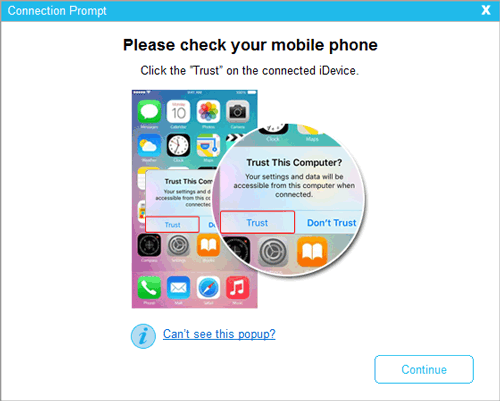
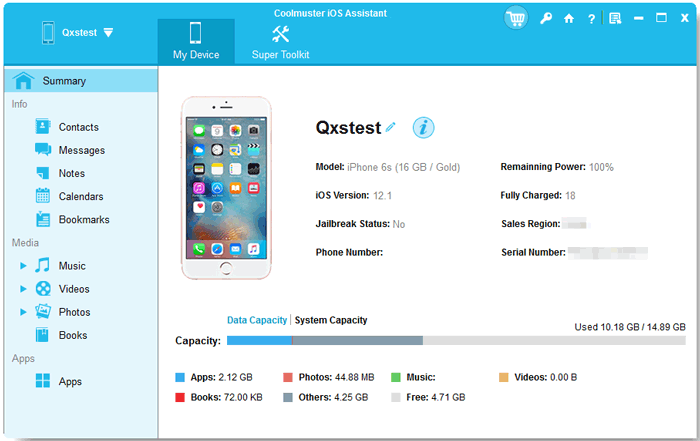
01 Download and launch Coolmuster iOS Assistant on your PC or Mac. Connect your iPhone via USB and tap Trust on your iPhone screen when prompted.
02 Once detected, the main panel displays your iPhone details and categorized data categories on the left.
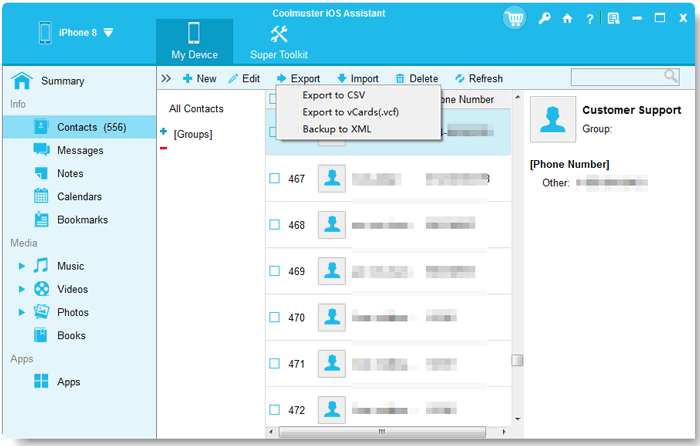
03 Click Contacts from the left panel, preview your contacts list, select the items you need, click Export at the top, and choose Export to CSV to save them directly for Excel.
Video Guide:
Q1: Why can't I import a CSV file directly into my iPhone's native Contacts app?
iOS natively supports vCard (.vcf) formats rather than raw Excel (.xlsx) or CSV files. Therefore, you must use cloud sync tools like Google Contacts (which accepts CSV) or convert CSV to vCard for iCloud import.
Q2: What standard column headers should I use in Excel for clean contact mapping?
To prevent missing fields during import, make sure your Excel header row includes standard field titles: First Name, Last Name, Phone Number (or Mobile Phone), Email Address, Organization, and Job Title.
Q3: How to fix iCloud "Cannot Import vCard" error?
If iCloud shows an error during import, check if the vCard version is 3.0 or 4.0. If you converted from CSV, ensure the file encoding is UTF-8 to prevent missing characters or format incompatibility.
Q4: Will importing Excel contacts overwrite my current iPhone contacts?
Importing via Google Contacts or iCloud vCard will merge new entries with existing contacts without overwriting them. However, syncing via iTunes/Finder may replace contacts if configured to overwrite. Always back up your contacts first.
Importing contacts from Excel to iPhone is quick once you convert your Excel file to CSV or vCard format. Using Google Contacts is the fastest direct CSV sync option, while iCloud works best for vCard uploads.
If you need to manage, edit, or export iPhone contacts back to Excel CSV, Coolmuster iOS Assistant provides a full-featured desktop management solution.
Related Articles:
How to Import Google Contacts to iPhone with Easy Steps (4 Useful Methods)
How to Easily Import VCF to iPhone in 4 Ways (Updated)
How to Back Up Contacts on iPhone with Ease [Solved in 5 Ways]
[Fixed] How to Transfer Photo Albums from iPhone to PC with Ease?






 Free Download for PC
  Free Download for Mac


