Losing your iPhone can be a stressful experience, especially when it stores your photos, contacts, and important personal data. Whether it's misplaced at home or stolen in public, knowing what to do quickly can make a big difference. This guide will walk you through how to find a lost iPhone step by step, along with useful tips to protect your data. You'll also learn how to prepare in advance, and how to recover your data if your device cannot be retrieved.
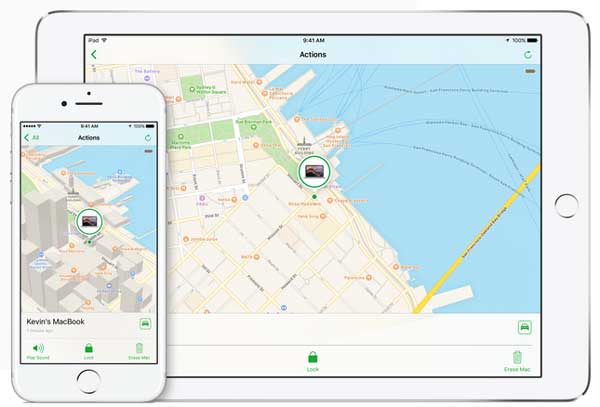
Taking a few simple steps in advance can greatly increase your chances of finding your iPhone and protecting your data if it ever gets lost or stolen.
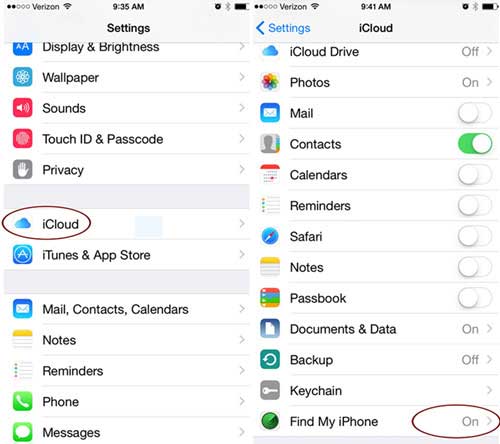
"Find My iPhone" is the most important feature for locating your device. Once enabled, you can track your iPhone, play a sound, lock it, or even erase it remotely. (How to Turn Off Find My iPhone without Password?)
A strong passcode prevents others from accessing your personal data if your iPhone is lost.
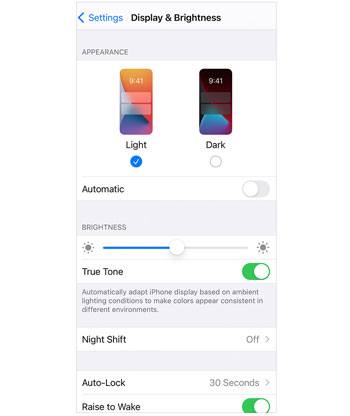
Auto-Lock ensures your iPhone locks itself after a short period of inactivity, reducing the risk of unauthorized access.
Backing up your iPhone regularly is crucial. If your device is lost permanently, a backup ensures you won't lose important files.
Common methods:
For more flexibility, you can also use a professional tool like Coolmuster iOS Assistant, which allows you to selectively back up and export photos, contacts, messages, and more to your computer. This is especially helpful if your iCloud storage is limited or you prefer managing files manually.
Key features of Coolmuster iOS Assistant:
Free download Coolmuster iOS Assistant on your computer now:
How to Back Up iPhone Using Coolmuster iOS Assistant:
01 Download and install Coolmuster iOS Assistant on your computer. Open it and connect your iPhone via USB. Tap "Trust" on your device if prompted.
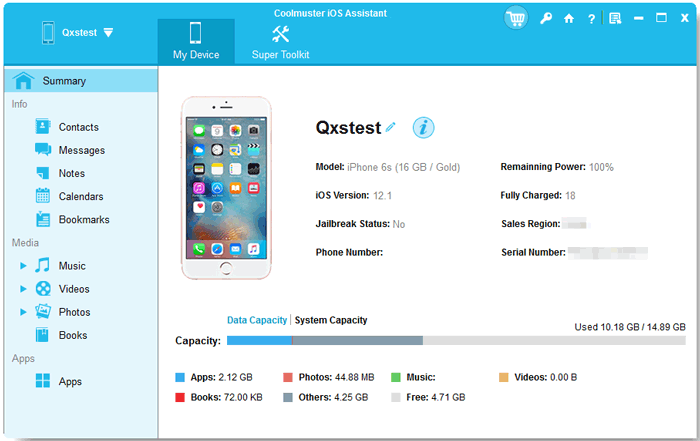
02 After your device is recognized, go to the "Super Toolkit" section and click "iTunes Backup & Restore" > "Backup".
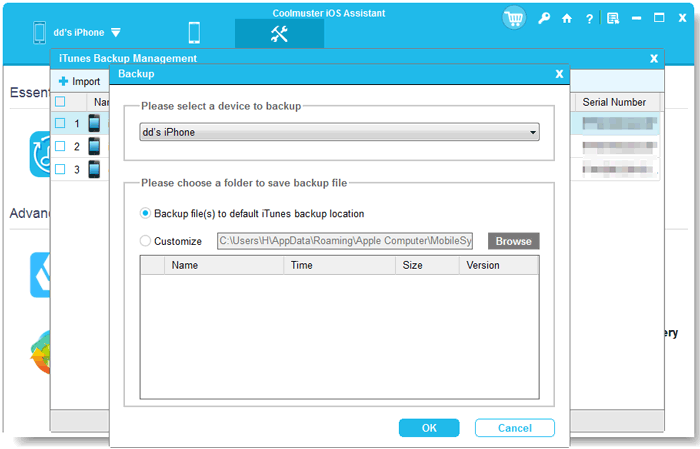
03 Select your iPhone, choose a location on your computer to save the backup, and click "OK" to begin.
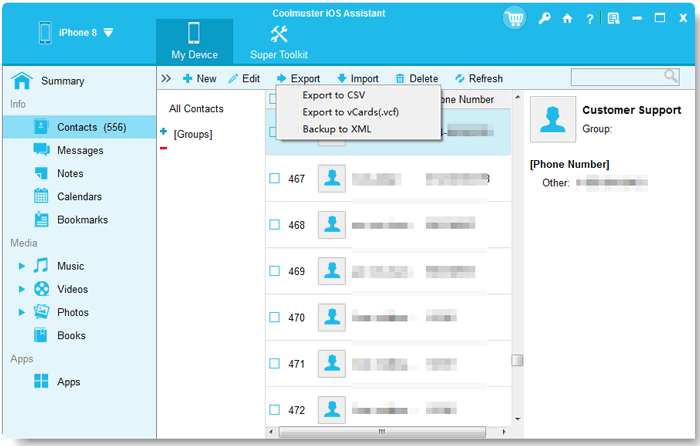
Optional: You can also go to different categories (like Contacts or Photos), preview the data, and export only the files you need.
Video Guide:
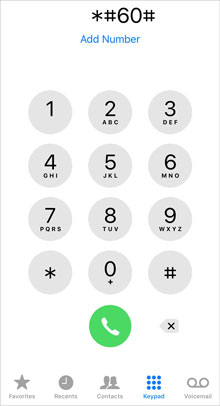
Your IMEI number is a unique identifier that can help your carrier or authorities track or block your device. Write down your IMEI number and store it somewhere safe (not on your phone).
Ways to find it:
By completing these preparations, you'll be in a much better position to locate your iPhone quickly and protect your data if something goes wrong.
If you've lost your iPhone or iPad, don't panic. Acting quickly can increase your chances of finding it and protect your personal data. Follow the steps below in order.
The first thing you should do is use "Find My iPhone" to check your device's location.
If the device is online, you'll see its real-time location.
If you think your iPhone is somewhere nearby (like at home or in your car), you can make it play a sound.
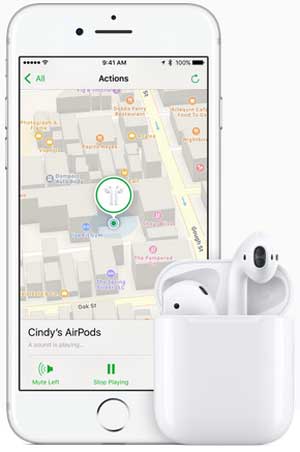
Your iPhone will ring loudly, even if it's in silent mode.
Lost Mode helps protect your device by locking it remotely and displaying a custom message.
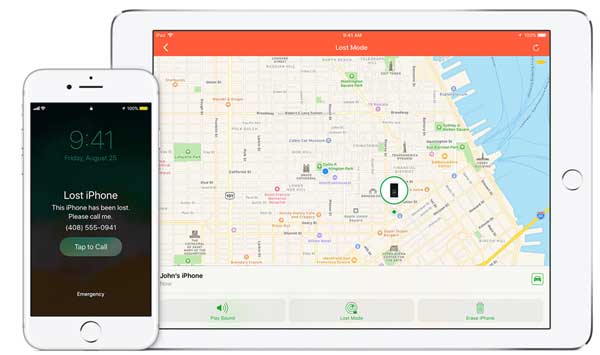
This prevents others from accessing your data and helps someone contact you if they find your device. (Can Someone Unlock My iPhone in Lost Mode?)
If your iPhone is moving, you can keep tracking it through Find My. This is useful if:
Tip: Do not try to retrieve the device yourself in unsafe situations - contact local authorities instead.
If you believe your iPhone won't be recovered, you can erase all data remotely. This will delete all personal data and prevent unauthorized access.
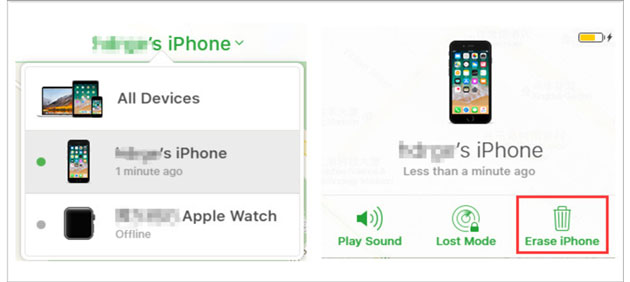
Note: Once erased, you won't be able to track the device anymore.
If your device is stolen, you should contact your "carrier" to block your SIM card. Report the loss to "local authorities", and provide your IMEI number if needed. This can help prevent misuse and may assist in recovering your device.
If you didn't enable Find My iPhone in advance, locating your device becomes more difficult - but not impossible. There are still a few alternative ways you can try.
If you use Google apps like Maps and have location history enabled, you may be able to see where your iPhone was last active.
This can help you remember where you left your device.
Some third-party apps offer tracking features similar to Find My iPhone, but only if they were installed before the device was lost.
Examples include:
These apps may provide location tracking, alerts when the device moves and remote access features. (Find My iPhone Offline Last Known Location)
Even without Find My iPhone, your Apple ID activity can give you useful hints. It allows you to check:
If someone turns on your device and connects to the internet, you might receive alerts that help you identify suspicious activity.
If your iPhone is lost or stolen, protecting your personal data should be your top priority. Even if you can't get the device back, you can still prevent unauthorized access and minimize risks by taking the following actions.
Your Apple ID is the key to your iPhone data. Changing the password right away can stop others from accessing your iCloud, photos, and personal information.
To further protect your privacy, you should sign out of important accounts linked to your iPhone. This helps prevent unauthorized access to your personal and financial information.
If your iPhone cannot be recovered, restoring your data from the lost iPhone is the next step. You can restore from an iCloud backupor from an iTunes backup. For more control, you can use a tool like Coolmuster iPhone Data Recovery, which allows you to recover lost or deleted files from iPhone, iTunes and iCloud backups selectively.
What Can iPhone Data Recovery Do:
Section 1. Restore Data from iTunes Backup Selectively
01Choose an iTunes Backup File
Launch iPhone Data Recovery and select the "Recover from iTunes Backup File" mode. The program will automatically scan the default iTunes backup location on your computer. After the scan, choose the backup file you need and click "Start Scan" to continue.
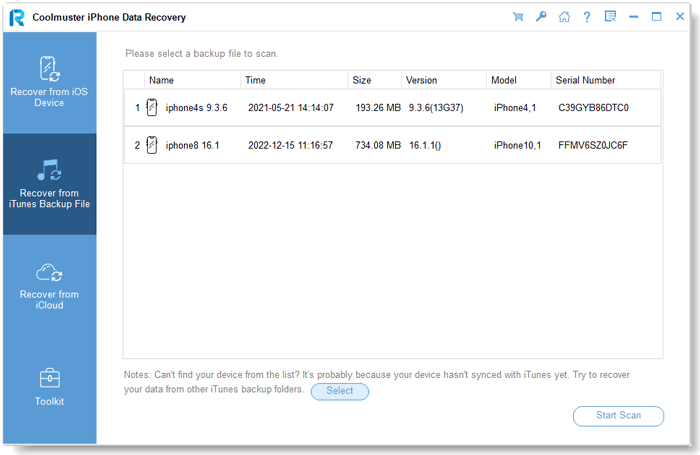
02Select Data Types
Choose the specific data types you want to recover, then click "Start Scan" at the bottom right. Once the scan is complete, you can preview the contents of the selected backup.
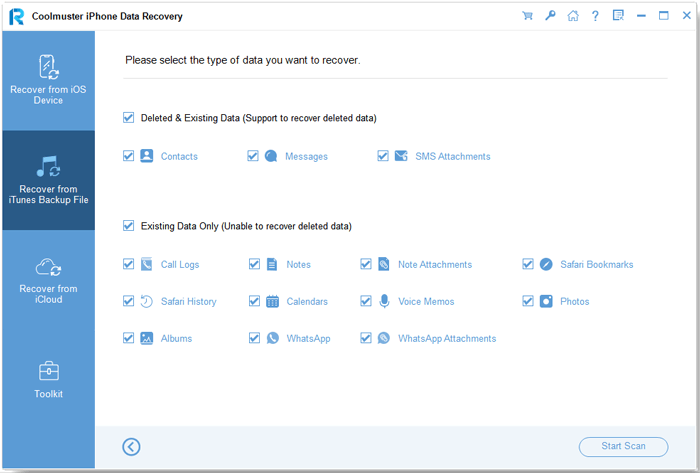
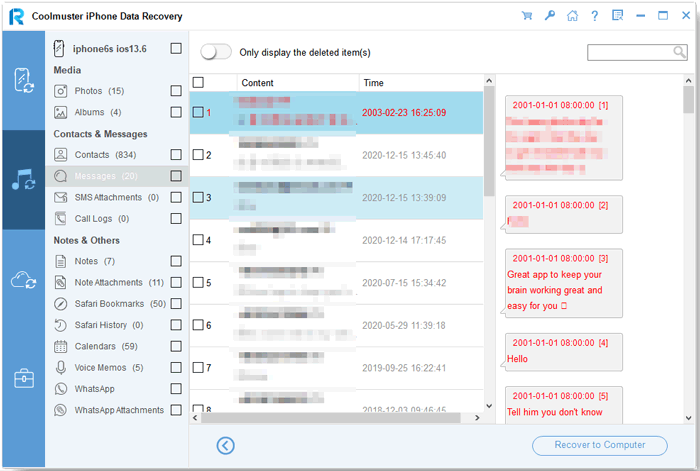
03Recover Deleted Data from iTunes backup
Preview the files, select the items you want, and click "Recover to Computer" to export them to your PC.
Section 2. Restore from iCloud Backup without Resetting Your iPhone
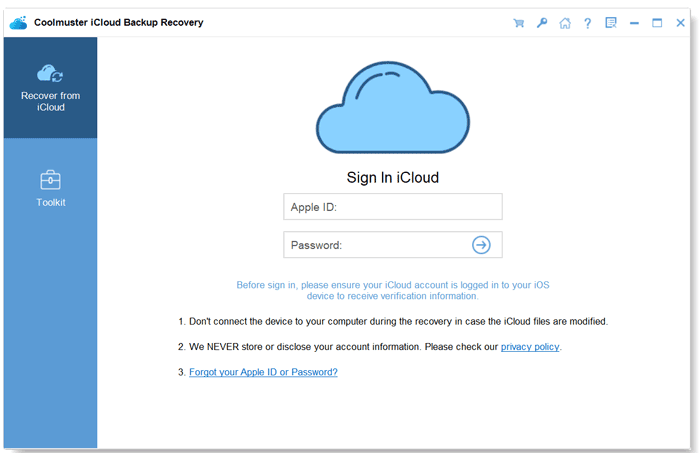
01Log in to Your iCloud Account
Select "Recover from iCloud" mode from the left panel, then log in with your iCloud account and password.
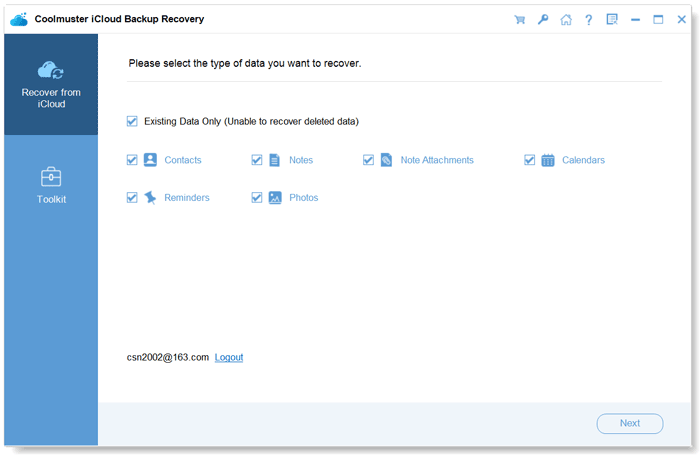
02Select Data Types
After logging in, select the data categories you wish to recover and click "Next" to proceed.
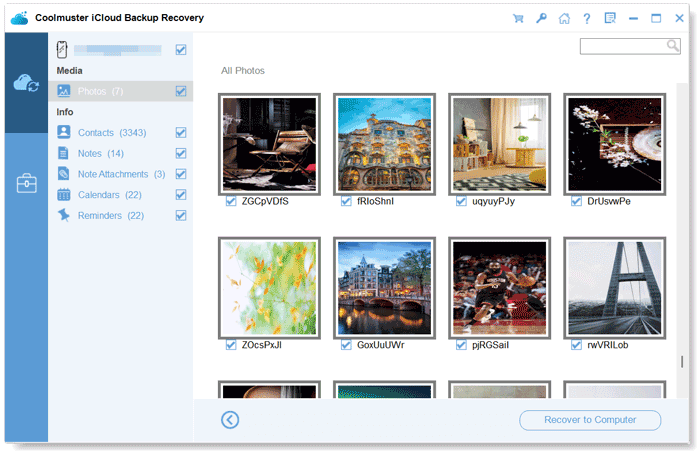
03Recover Data from iCloud backup
Once the scan finishes, preview the available files, select what you need, and click "Recover to Computer" to save them locally.
Video Guide:
Losing an iPhone can be frustrating, but taking the right steps can make a big difference. By enabling key features like Find My iPhone and backing up your data in advance, you can greatly improve your chances of recovery. If your device cannot be found, don't worry - your data can still be restored using backups or professional tools like Coolmuster iOS Assistant and Coolmuster iPhone Data Recovery. With proper preparation and the right solutions, you can minimize losses and keep your important information safe.
Related Articles:
3 Methods to Recover Data from Locked iPhone Successfully
3 Ways to Recover Data from a Virus-Infected iPhone




 Free Download for PC
  Free Download for Mac


