WhatsApp is one of the most widely used messaging apps in the world, but it's not immune to technical issues. One particularly frustrating problem many users encounter is being unable to send or receive WhatsApp messages. Messages may stay stuck on "sending", fail to deliver, or never arrive at all, even though the app appears to be working normally.
If you're facing a cannot send & receive WhatsApp messages issue, don't worry. In most cases, the problem is caused by network restrictions, app settings, verification errors, or temporary service disruptions. This guide walks you through the most common reasons behind the issue and provides step-by-step solutions to help you restore normal WhatsApp messaging as quickly as possible.
When WhatsApp stops sending or receiving messages, the issue usually falls into one of the following categories:
Now that you know the possible causes, follow the solutions below in order, starting with the simplest and most common fixes.
Begin by verifying that your internet connection is stable and working for WhatsApp. First, open a web browser (e.g., Chrome, Safari) and try loading a website, if it doesn't load, your network is the issue. If it does load, try these steps:
Switch between Wi-Fi and mobile data: If you're on Wi-Fi, turn it off and use mobile data (and vice versa) to rule out a problem with one network type.
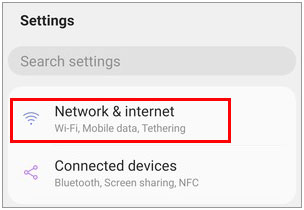
Refresh your connection: Toggle Airplane Mode on for 10 seconds, then turn it off. This resets your device's network settings temporarily.
Improve Wi-Fi stability: Move closer to your router to strengthen the signal, or restart the router (unplug it for 30 seconds, then plug it back in).
Avoid restricted networks: Public Wi-Fi (e.g., in cafes, airports) may block WhatsApp, try a private network instead. Also, turn off VPN or proxy services, as some configurations intercept WhatsApp traffic.
Temporary software glitches on your phone (e.g., frozen processes, memory leaks) often cause WhatsApp to malfunction. Restarting your device clears these glitches and resets background services. Here's how to do it for both Android and iOS:
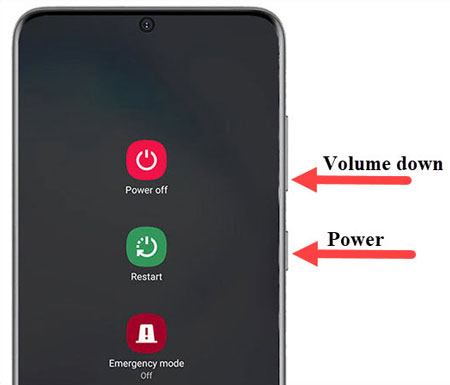
Android: Press and hold the "power" button, then select "Restart" from the menu. If your device is unresponsive, hold the "power" and "volume down" buttons together until it reboots.
iOS: For iPhone X or later, press and hold the "side" button and one "volume button" until the slider appears; drag the slider to turn off your phone, then press the "side" button again to turn it on. For older iPhones (with a home button), press and hold the "power" button until the slider appears.
If your network is working but WhatsApp still won't send messages, the issue may be with WhatsApp's servers. To confirm:
Visit a server status tool like Downdetector (downdetector.com) and search for "WhatsApp". If there's a spike in reports, the servers are down.
Check WhatsApp's official social media accounts (e.g., Twitter/X) for announcements about outages or maintenance.
If the servers are down, you'll need to wait until WhatsApp resolves the issue—no troubleshooting on your end will help here.
Outdated WhatsApp versions often have bugs that break messaging. Updating to the latest version fixes these bugs and improves compatibility with your device. Here's how to update:
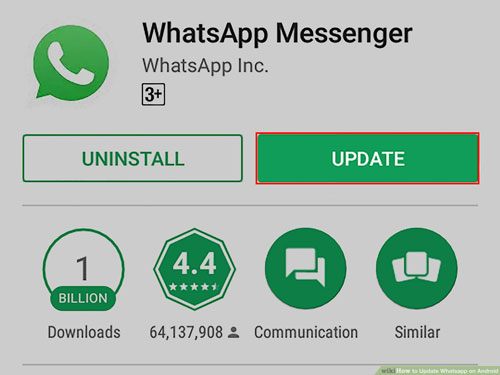
Android: Open the Google Play Store, search for "WhatsApp", and tap "Update" if the option is available. If you don't see "Update", you already have the latest version.
iOS: Open the App Store, tap your profile icon in the top-right corner, scroll down to "WhatsApp", and tap "Update" if available.
Note: If you're using a beta version of WhatsApp, exit the beta program (via the Play Store/App Store) and install the stable version, beta builds often have untested bugs.
WhatsApp needs permissions to access your network, contacts, and storage to send/receive messages. It also needs to run in the background to deliver messages in real time. Here's how to verify and adjust these settings:
For Android:
Check permissions: Go to "Settings" > "Apps" > "WhatsApp" > "Permissions". Ensure "Camera", "Contacts", "Microphone", "Storage", and "Phone" are enabled. If any are disabled, tap them and select "Allow".
Enable background data: Go to "Settings" > "Apps" > "WhatsApp" > "Mobile data & Wi-Fi". Toggle on "Background data" and "Unrestricted data usage" (to prevent battery saver from blocking it).
Disable battery restrictions: Go to "Settings" > "Battery" > "Battery optimization". Find WhatsApp and select "Don't optimize" to allow it to run in the background.
For iOS:
Check permissions: Go to "Settings" > "Privacy & Security" > "WhatsApp". Enable "Contacts", "Photos", "Microphone", and "Camera".
Enable background app refresh: Go to "Settings" > "General" > "Background App Refresh". Find WhatsApp and toggle it on. This allows WhatsApp to update messages when you're not using the app.
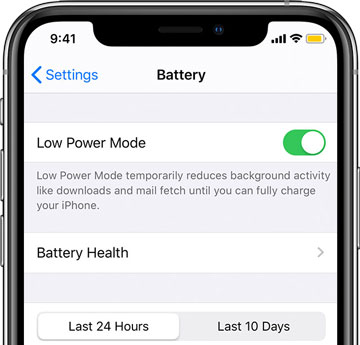
Disable low power mode: Go to "Settings" > "Battery" and toggle off "Low Power Mode", as it restricts background activity.
WhatsApp requires your phone number to be verified to use its services. If your verification expired or failed, you won't be able to send/receive messages. To check and re-verify:
Open WhatsApp. If you see a verification prompt, follow the on-screen instructions, enter your phone number, then confirm the code sent via SMS or call.
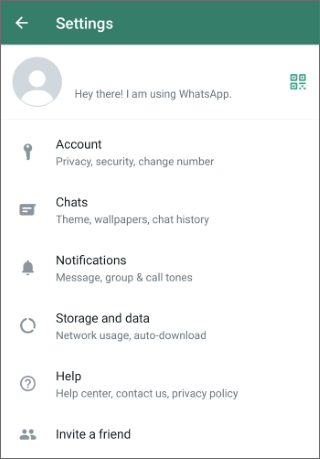
If you don't see a prompt but suspect verification issues, go to "WhatsApp" > "Settings" > "Account". If your number isn't listed or shows an error, tap "Change Number" (even if you're using the same number) to re-verify.
Ensure you're using the same phone number that's inserted in your device's SIM card - WhatsApp verifies against the SIM's number.
Sometimes, being logged into WhatsApp Web or multiple linked devices (e.g., tablets, other phones) can cause sync issues that disrupt messaging on your primary device. To fix this:
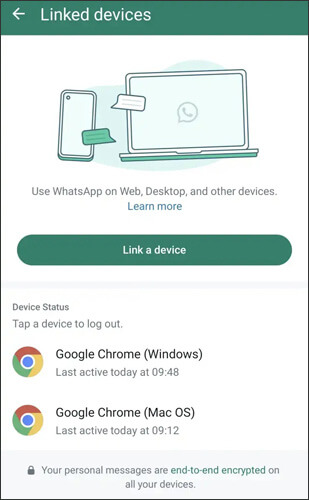
Step 1. Open WhatsApp on your phone, go to "Settings" > "Linked Devices".
Step 2. You'll see a list of all devices linked to your account. Tap "Log out from all devices" to sign out of everything except your phone.
Step 3. If you only want to log out of a specific device, tap the device name and select "Log Out".After logging out, test WhatsApp messaging on your primary device.
If you can't send messages to a specific contact (but others work), the issue is likely the contact's number format. WhatsApp requires numbers to be saved in full international format:
Start with a "+" sign, followed by the country code (e.g., +1 for the US, +44 for the UK, +91 for India), then the phone number (without leading zeros). Example: A UK number "07911 123456" should be saved as "+447911123456".
To fix this, edit the contact in your phone's address book, update the number to the correct format, and restart WhatsApp. Also, confirm the contact hasn't blocked you - if you can't see their profile picture, last seen, or status, they may have blocked you (though this is not definitive).
Outdated device operating systems can cause compatibility issues with WhatsApp, leading to messaging problems. Updating your OS fixes system-level bugs and improves app compatibility:
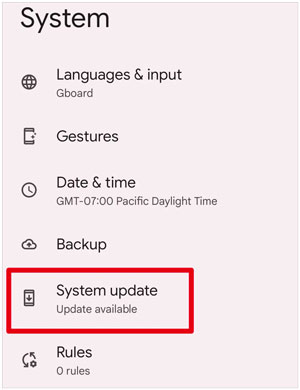
Android: Go to "Settings" > "System" > "System update". Tap "Check for updates" and install any available updates.
iOS: Go to "Settings" > "General" > "Software Update". Tap "Download and Install" if an update is available.
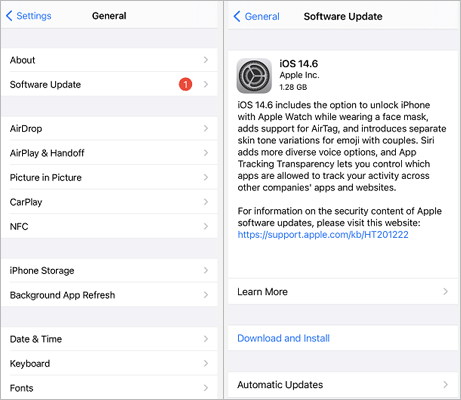
After updating, restart your device and test WhatsApp.
If all previous steps fail, corrupted app data may be the issue. Uninstalling and reinstalling WhatsApp will fix this, but always back up your chat history first to avoid losing messages:
Step 1. Back up your chats
Open WhatsApp > "Settings" > "Chats" > "Chat backup".
For Android: Select "Back up to Google Drive" and choose a backup frequency (or tap "Back up" now).
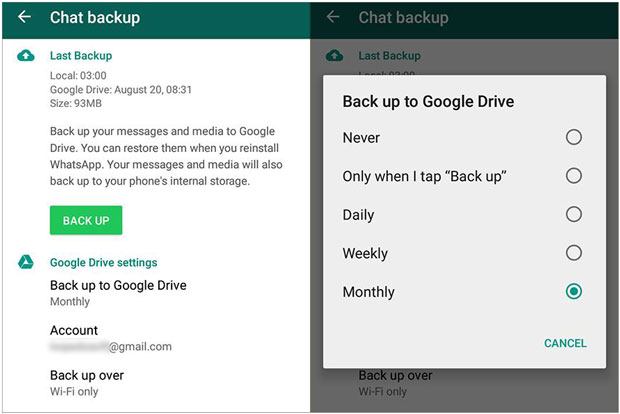
For iOS: Select "Back up to iCloud" and tap "Back Up Now".
Step 2. Uninstall WhatsApp
Step 3. Reinstall WhatsApp
After restoration, your WhatsApp should work normally.
When troubleshooting WhatsApp messaging issues, especially those that occur after switching devices (such as moving from iPhone to Android or vice versa), transferring your WhatsApp data properly becomes essential. Incomplete or failed data migration can lead to missing chats, sync errors, or even situations where you cannot send or receive WhatsApp messages.
While WhatsApp's built-in tools have limitations for cross-platform transfers, a dedicated WhatsApp transfer tool offers a more reliable solution. WhatsApp Transfer is designed to move WhatsApp data between phones securely and efficiently, ensuring a smooth transition across different operating systems.
It can effortlessly transfer WhatsApp chat history along with all attachments, even between devices running different platforms. The program is fully compatible with the latest versions of iOS (including iPhone 17) and Android.
How to transfer WhatsApp messages between phones?
01Download and install WhatsApp Transfer on your computer, then launch the program after installation.
02Connect both phones to the computer using USB cables. For iOS devices, unlock your iPhone and tap "Trust" when prompted. For Android devices, enable USB debugging if requested.
03Once both devices are detected, select the "Transfer" option from the main interface. Make sure the correct source device and destination device are selected. If they are reversed, click "Flip" to correct the order.
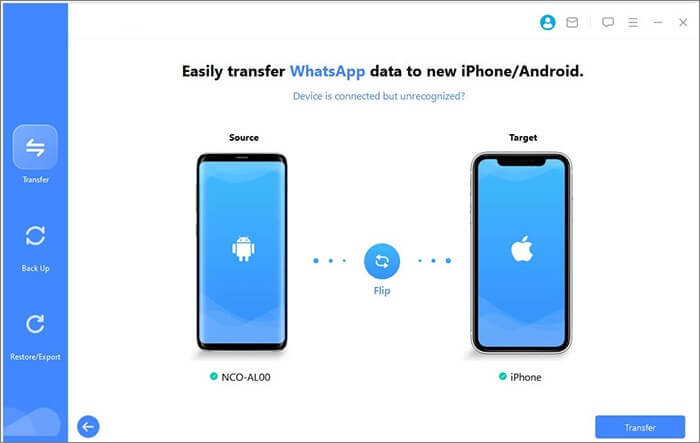
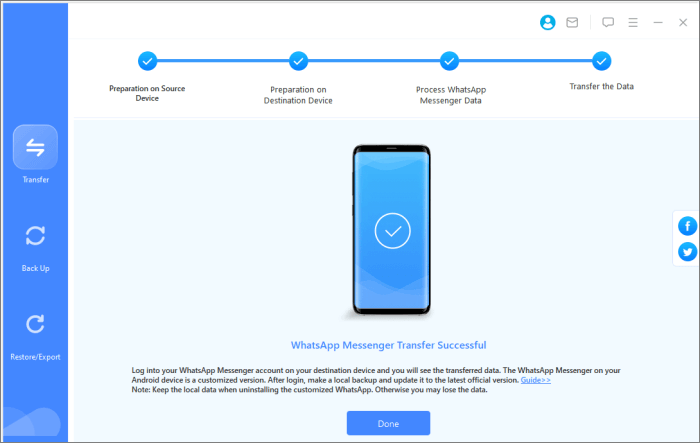
04Click "Transfer" to start the process. The program will automatically transfer all WhatsApp chats, media files, and attachments to the new device.
If you cannot send or receive WhatsApp messages, the problem is usually related to network issues, account verification, app settings, or temporary system glitches. By identifying the exact cause and applying the appropriate fix, most WhatsApp messaging problems can be resolved quickly on both Android and iPhone.
In addition, if troubleshooting requires switching devices or reinstalling WhatsApp, using a tool like WhatsApp Transfer can help you move your chats safely between phones and avoid losing important WhatsApp messages during the process.
Related Articles:
3 Ways to Transfer WhatsApp from Android to iPhone Without PC
Fast Fix WhatsApp Backup Stuck with Practical Tips [Android & iPhone]
Fixed: WhatsApp Download Failed | Fix the Issue with 8 Solutions
How to Transfer WhatsApp Messages to New Phone Without Backup [4 Ways]







 Free Download for PC
  Free Download for Mac


