When using an iPhone on a daily basis, an unresponsive touchscreen can be a very frustrating issue. Whether it's swiping, tapping, or opening apps, the inability to interact with the screen properly can severely affect the user experience. This article will analyze the common causes of the "iPhone touch screen not responding" issue and provide several effective solutions to help you quickly restore the touch functionality of your iPhone.
There are many reasons why the iPhone touchscreen may become unresponsive, and it could be caused by either hardware issues or software problems. Here are some common causes:
If your iPhone touch screen stops working, don't panic. The solutions range from simple troubleshooting steps to professional tools. Follow these methods in order to restore screen functionality.
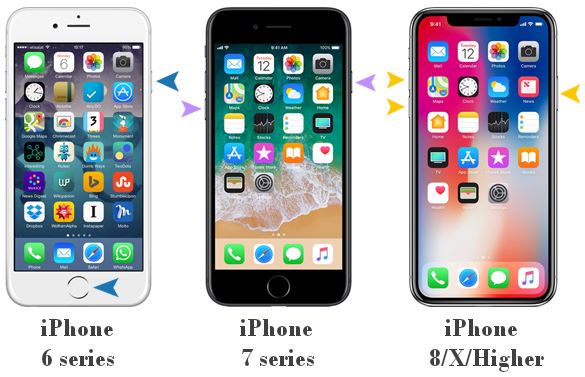
Force restarting is the first step in resolving the iPhone touch screen unresponsive issue. By force restarting, you can clear the system cache and forcibly close any background processes that may be causing the problem. The methods for force restarting differ depending on the iPhone model:
iPhone 8 and later models:
iPhone 7 / 7 Plus:
iPhone 6s and earlier models:
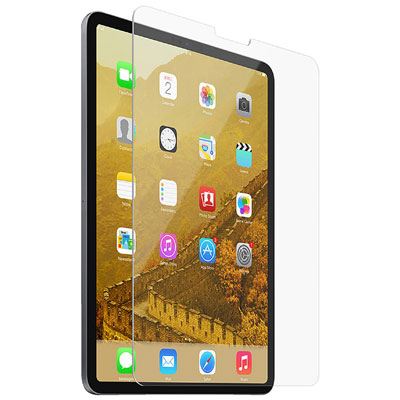
If your iPhone has a screen protector or case installed, it may affect the touchscreen's sensitivity. Try removing these accessories and check if the touchscreen starts responding normally. Sometimes, the pressure from the screen protector or case can cause the touchscreen to become unresponsive.
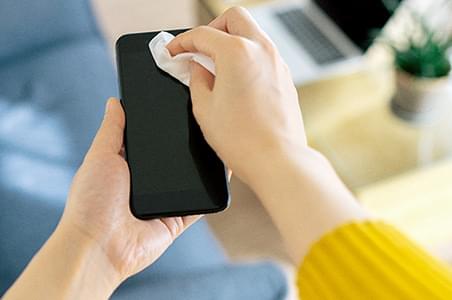
If the surface of the touchscreen is dirty, with fingerprints or oil smudges, it may affect its sensitivity. Use a clean, soft cloth to gently wipe the screen and remove any dirt. After cleaning, check if the touchscreen starts responding properly.
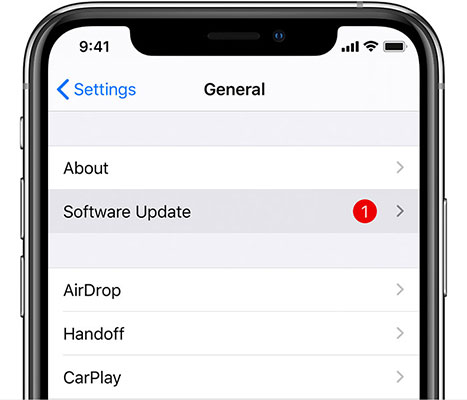
If there are known bugs or defects in the iPhone's system software, it may cause the iPhone's touch screen not respond. Make sure your device is updated to the latest version of iOS by following these steps:
Step 1. Open the "Settings" app.
Step 2. Select "General".
Step 3. Tap "Software Update" and check if there are any available updates. (iPhone software update failed?)
Step 4. If an update is available, follow the prompts to complete the update.
When basic troubleshooting methods fail, the "iPhone touch screen unresponsive" issue is often caused by deeper iOS system problems. These issues may include corrupted system files, incomplete iOS updates, firmware conflicts, or system crashes that prevent the touchscreen from properly communicating with iOS. In such cases, simply restarting or updating the device may not be enough to resolve the problem.
This is where a professional iPhone system repair tool like iOS System Recovery becomes especially useful. It is designed to diagnose and fix various iOS system errors without requiring technical expertise, and it does not require data deletion, making it an ideal solution for users who want a safe and efficient way to restore touchscreen functionality.
Key features of iOS System Recovery:
Here is how to fix the iPhone touch screen unresponsive after an update using iOS System Recovery:
01Run the iOS System Recovery on your computer and connect your iPhone to the PC with a USB cable. Then select the "More tool" > "iOS System Recovery" once the program has detected your iPhone.
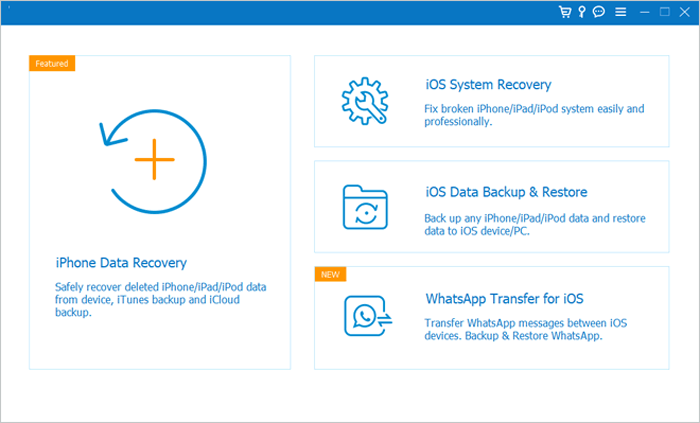
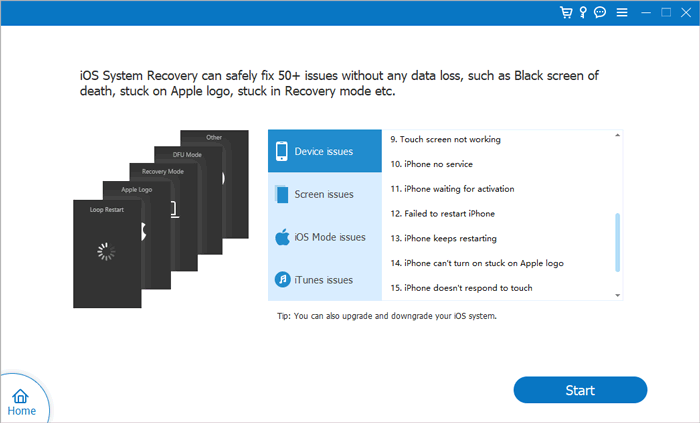
02After that, the program will automatically detect the problems of your iPhone, and show the problem on the interface, like iPhone touch screen unresponsive, Stuck at the Apple logo, etc. Then, you might click the "Start" button to go on.
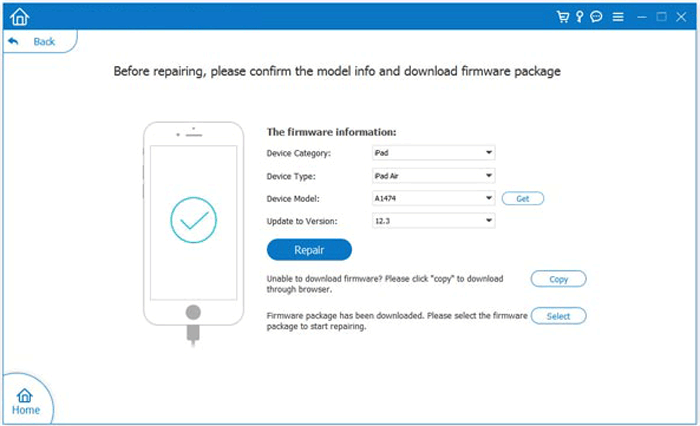
03Then you might be asked to confirm your iPhone information before clicking the "Repair" button to start fixing the issue that the iPhone's touchscreen is unresponsive. If the information is not correct, just select the exact information manually before repairing.
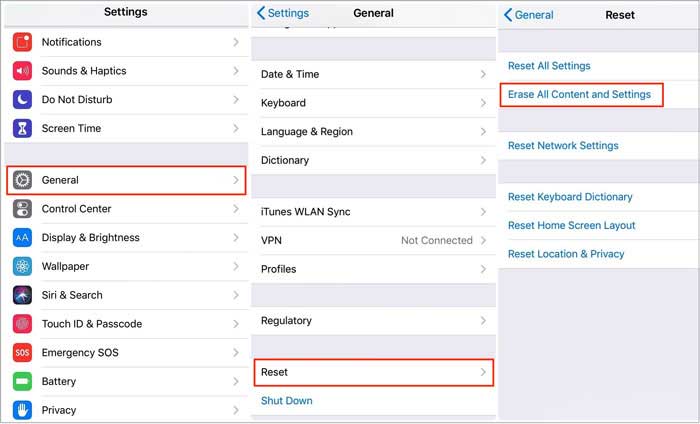
If the above methods don't work, the issue may be caused by software problems affecting the touchscreen. Restoring the device to factory settings can erase all data and reset the system. Please note that a factory reset will delete all data on the device, so make sure to back up your data in advance.
Step 1. Open the Settings app.
Step 2. Select "General" > "Reset" > "Erase All Content and Settings".
Step 3. Enter your device password to confirm data erasure.
Step 4. Once complete, set up your iPhone again.
If you find that the above methods don't work, and your iPhone's screen has noticeable cracks or external damage, it may be a hardware issue causing the touchscreen to become unresponsive. In this case, you should contact Apple's official technical support or visit an Apple Authorized Service Provider for inspection and repair.
An iPhone touch screen not responding can be caused by either software or hardware issues. From simple solutions like force restarting and cleaning the screen to using professional tools like iOS System Recovery, users can troubleshoot step by step. If you want to quickly and safely fix the touchscreen issue without losing data, iOS System Recovery is recommended. It is easy to use, highly efficient, and suitable for most touchscreen failure situations.
Related Articles:
Troubleshooting the Bottom of iPhone Screen Not Working - 2026 Update
5 Ways to Fix the iPhone Frozen on Lock Screen Issue with Ease
How to Unlock iPhone with Unresponsive Screen? [Full Guide]
How to Fix iOS 26 Lock Screen Clock Not Working? - 9 Proven Tips




 Free Download for PC
  Free Download for Mac


