TL;DR:
If you've forgotten your iPhone passcode, the right solution depends on your iOS version, whether you can access your Apple account, and whether you're willing to erase your data. Here are the main options to consider:
"Recently, I forgot my passcode for iPhone and now find myself locked out of the device. It's quite distressing because I have numerous personal files, essential contacts, and important data stored on it. I desperately need to regain access to my iPhone as soon as possible. So, my question is, does anyone have any suggestions or knowledge about potential methods to bypass the passcode on an iPhone?"
- From Apple Community
Forgetting your iPhone passcode can be frustrating, especially when you need to access important photos, messages, contacts, or other personal files. The situation can be even more stressful if your iPhone displays an "iPhone Unavailable" or "Security Lockout" message after too many incorrect attempts. Fortunately, there are several ways to regain access, depending on your iOS version, Apple account credentials, and available devices.
If you're wondering how to bypass iPhone passcode without losing data, start by checking whether you can use your previous passcode. If that option is unavailable, you may need to erase and reset your iPhone through the lock screen, iCloud, or a computer. Below, we'll explain how each method works, when to use it, and what to know before proceeding.
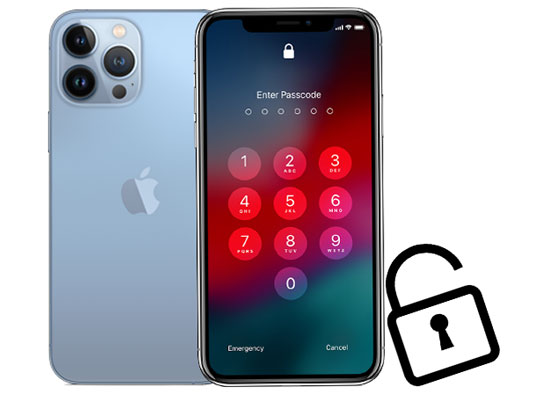
Apple provides built-in options for resetting a locked iPhone without connecting it to a computer. The available process depends on your iOS version. Before starting, make sure you know the Apple account password associated with your device and understand that erasing your iPhone will delete its current data and settings.
If your iPhone runs iOS 15.2 or iOS 16, you may see an Erase iPhone option on the Security Lockout screen. This option is available only when the required conditions are met, including having Find My enabled before the device was locked, an active Wi-Fi or cellular connection, and access to your Apple account password.
Follow these steps:
Step 1. Enter the wrong passcode several times until the Security Lockout screen appears.
Step 2. Tap "Erase iPhone", if the option is available.
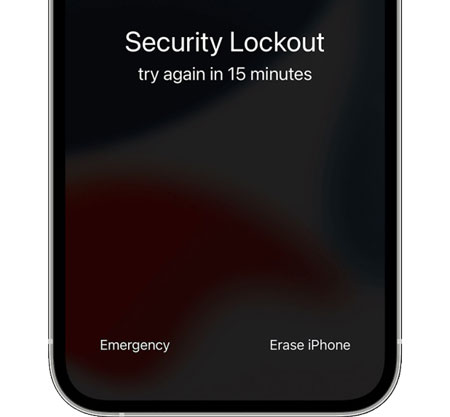
Step 3. Review the warning about deleting your data and settings, then confirm the reset.
Step 4. Enter your Apple account password when prompted to sign out of your account.
Step 5. Confirm that you want to erase the device and wait for the process to finish.
Step 6. When the iPhone restarts, follow the setup instructions. Restore your data from an available backup if you have one, then create a new passcode.
Note: The exact wording and availability of the reset option may vary. If you use an eSIM with iOS 16 or earlier, contact your carrier before resetting your iPhone to check whether you need a QR code or other information to set up your eSIM again.
With iOS 17 and later, the lock screen offers a Forgot Passcode? option in supported circumstances. If you've changed your passcode within the last 72 hours, you may be able to use your previous passcode to set a new one without erasing the device. Otherwise, you can use the reset process if your iPhone meets Apple's requirements.
To use your previous passcode:
Step 1. Enter incorrect passcodes until the iPhone Unavailable screen appears.
Step 2. Tap "Forgot Passcode?".
Step 3. Select "Enter Previous Passcode".
Step 4. Enter the passcode you used before changing it. Follow the instructions to set a new passcode.
This option is useful if you recently changed your passcode and forgot the new one. It does not work if the previous passcode is no longer valid or the 72-hour period has expired.
If you cannot use your previous passcode:
Step 1. On the iPhone Unavailable screen, tap "Forgot Passcode?".
Step 2. Tap "Start iPhone Reset" if prompted.
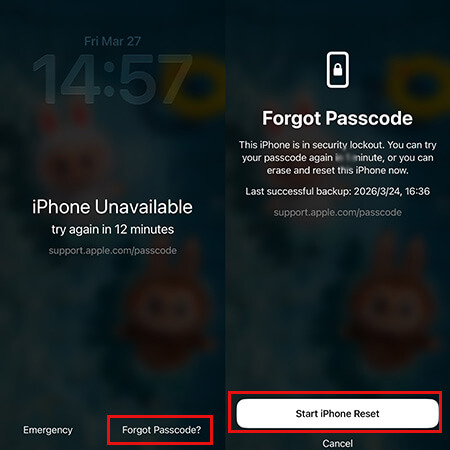
Step 3. Enter your Apple account password to sign out. Confirm the erase operation.
After the iPhone restarts, set it up again and restore from a backup if available.
If Find My was enabled on your locked iPhone before you lost access, you can use Apple's Find Devices service through iCloud to erase it remotely. This method can be useful if you have access to another phone or computer but cannot complete the reset directly on your iPhone.
However, remotely erasing iPhone is not the same as recovering the forgotten passcode. The process deletes the iPhone's current data and settings, and you'll still need the appropriate Apple account credentials to set up the device again if Activation Lock is enabled.
Here's how to proceed:
Step 1. Open iCloud.com/find in a browser on another device.
Step 2. Sign in with the Apple account associated with your locked iPhone.
Step 3. Select your iPhone from the list of devices.
Step 4. Choose "Erase iPhone" or the corresponding erase option shown on the page.
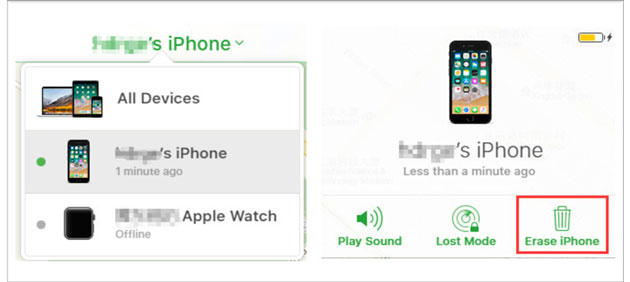
Step 5. Confirm the operation and follow any additional instructions. Once the erase process finishes, restart or set up your iPhone as prompted.
Note: Your iPhone must meet Apple's requirements for remote erasure, and it may need to connect to the internet to complete the operation. If the device is offline, the erase request may remain pending until it reconnects. Erasing your iPhone does not remove Activation Lock, so keep your Apple account credentials available.
Although restoring an iPhone with iTunes or Finder will erase its existing data and settings, it is a practical option if you have forgotten your passcode and cannot reset the device directly. Before proceeding, back up your iPhone if possible. You'll also need a compatible computer, a USB cable, and the appropriate software: Finder on a Mac, Apple Devices on a Windows PC, or iTunes in a compatible environment.
Step 1. Put Your iPhone Into Recovery Mode
The steps vary depending on your iPhone model.
iPhone 8 and later, including iPhone X: Turn off your iPhone. Then, connect it to your computer while holding the "Side" button. Keep holding the button until the recovery mode screen appears.
iPhone 7 and iPhone 7 Plus: Turn off your iPhone. Connect it to your computer while holding the "Volume Down" button, and keep holding it until the recovery mode screen appears.
iPhone 6s and earlier, including iPhone SE (1st generation): Turn off your iPhone. Connect it to your computer while holding the Home button until the recovery mode screen appears.
Step 2. Restore Your iPhone
Open Finder, Apple Devices, or iTunes, depending on your computer.
Select your iPhone when it appears.
When prompted to update or restore the device, choose "Restore".
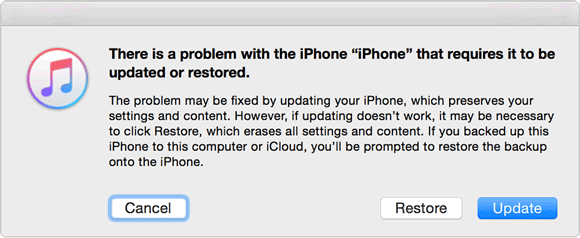
Wait for the software to download the required firmware and restore your iPhone.
If the download takes more than 15 minutes and your iPhone exits recovery mode, let the download finish, then put your iPhone into recovery mode again and repeat the restore process.
Step 3. Set Up Your iPhone Again
Once the restore is complete, follow the on-screen instructions to set up your iPhone and create a new passcode. You can restore your files from an available backup during setup. If Find My and Activation Lock were enabled, you may also need the Apple Account credentials previously associated with the device.
Some older iOS versions had Siri-related lock screen vulnerabilities that could allow limited access to certain iPhone functions without entering the passcode. However, this workaround is unreliable and does not guarantee full access to the device.
Step 1. Press and hold the "Home" button to activate Siri, then ask, "What time is it?" Tap the "Clock" icon to open World Clock.
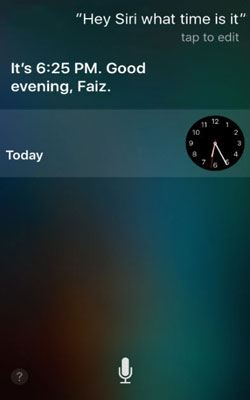
Step 2. Tap the "+" icon to add a city, enter any city name, and select the text in the search results. If the Share option appears, tap it and choose "Message".
Step 3. Enter any text in the recipient field and select the option to create a new contact if it appears. Tap the contact photo area and look for the option to add a photo.
Step 4. On older iOS versions, navigating to the photo library through this process may expose a limited part of the device interface. Pressing the "Home" button may return you to the Home screen on some vulnerable devices, but this behavior is not guaranteed.
This is a legacy workaround for certain older iOS versions, not a supported method for removing an iPhone passcode. It may fail even on the specified versions and should not be presented as a reliable way to unlock a modern iPhone.
Apple's built-in recovery options are useful, but they may not be suitable for every situation. For instance, you might be unable to access your Apple account, the erase option may be missing from your iPhone's lock screen, or Find My may not have been enabled before you lost access to your device. If you cannot use these methods, a dedicated iPhone unlocking program may offer another way to remove the screen lock.
iPhone Unlocker is designed to help you regain access to a locked or disabled iPhone by removing its screen passcode. It can be useful when you've forgotten your passcode or can no longer access your device through the normal lock screen.
Key features of iPhone Unlocker:
Follow the steps below to remove a forgotten iPhone screen passcode using iPhone Unlocker. Prepare a USB cable and a computer before starting.
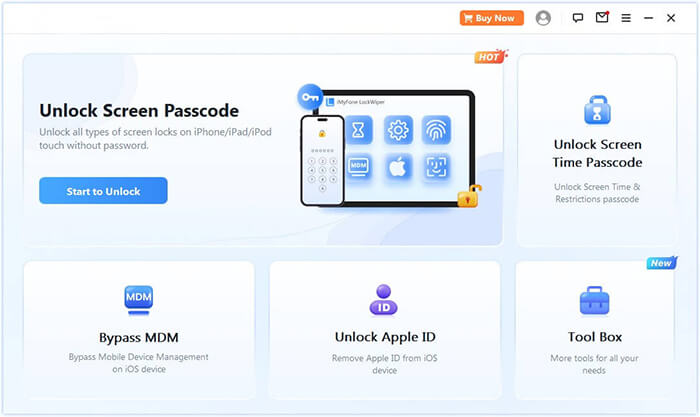
01Launch iPhone Unlocker on your computer. From the main interface, choose "Unlock Screen Passcode" and click "Start to Unlock". Connect your locked iPhone to the computer with a USB cable and proceed according to the instructions displayed by the program.
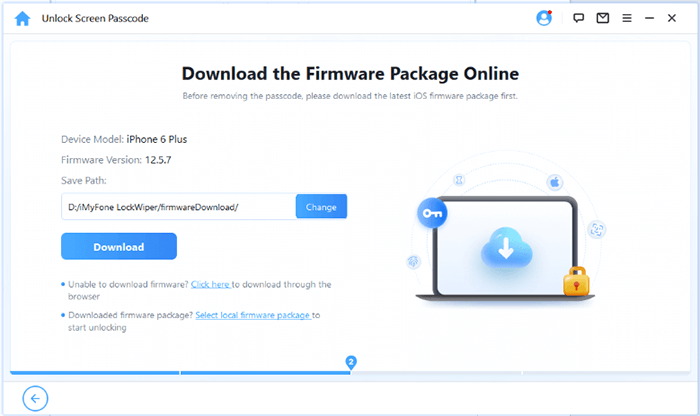
02Follow the on-screen instructions to put your iPhone into Recovery Mode or DFU Mode. Once the program detects your device, choose a location for the firmware package and click "Download" to obtain the required files.
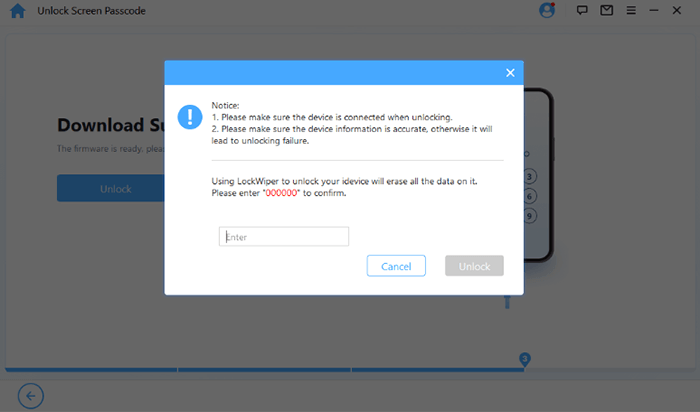
03After the firmware package has downloaded, click "Unlock". Read the warning message carefully, enter "000000" to confirm the operation, and click "Unlock" again to proceed.
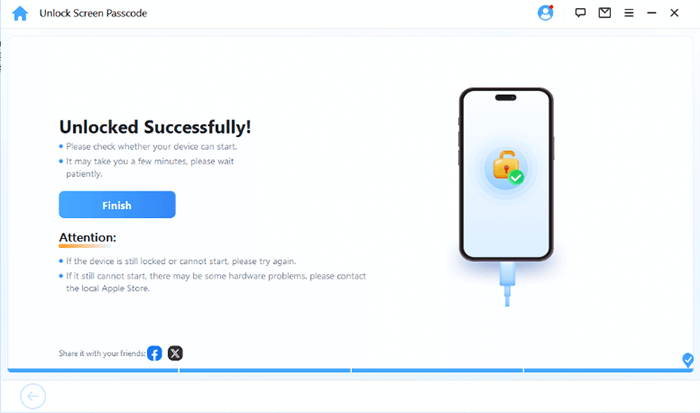
04Wait for the program to finish. If the operation succeeds, your iPhone will be erased, its screen passcode will be removed, and the device will return to its factory settings.
This post covers five methods to bypass an iPhone passcode, from Apple's built-in options to a third-party unlocking tool. If you prefer a straightforward solution, you can try iPhone Unlocker, provided your device is supported. Keep in mind that removing the screen passcode with this tool will erase your iPhone's data, so make sure you understand the implications before proceeding.
If you encounter any problems while trying these methods, feel free to leave a comment below.
Related Articles:
How to Reset Restrictions Passcode on iPhone: 5 Effective Ways
How to Remove Passcode from iPhone? [A Step-by-step Tutorial]
How to Unlock iPhone with or without Siri [Step-by-Step Tutorial]




 Free Download for PC
 Free Download for Mac


