TL;DR:
When your iPhone becomes slow, unresponsive, or encounters glitches, knowing how to perform a soft reset or hard reset on iPhone can save time and prevent data loss. This guide covers everything you need to know:
When something goes wrong with your iPhone, it's tempting to rush into a factory reset. But not every issue requires a hard reset. Often, a simple soft reset can fix problems like frozen screens, unresponsive apps, or minor glitches. Understanding the differences between a soft reset and hard reset on iPhone is key to choosing the right method. In this guide, we'll explain when to use each reset type and provide step-by-step instructions, helping you fix your iPhone safely without unnecessary data loss.
A soft reset is simply restarting your iPhone to refresh its system and clear temporary glitches. It does not erase any data or settings on your device. Performing a soft reset can fix minor issues such as frozen apps, slow performance, or unresponsive screens. It's the safest and quickest way to troubleshoot common iPhone problems without worrying about losing photos, contacts, or apps.
A hard reset, also known as a factory reset, is a more drastic solution that erases all content and settings on your iPhone, returning it to its original factory state. This method is usually used when your device is severely unresponsive, stuck on the Apple logo, or experiencing system crashes that cannot be fixed by a soft reset. Hard resetting should always be done with caution and ideally after backing up your data.
|
Feature
|
Soft Reset
|
Hard Reset (Factory Reset)
|
|
Purpose
|
Fix minor glitches
|
Solve serious system issues
|
|
Data Loss
|
None
|
All data erased
|
|
Speed
|
Fast
|
Takes longer
|
|
Frequency
|
Can be done anytime
|
Only when necessary
|
|
Risk
|
Very low
|
High if no backup is made
|
A soft reset is suitable for minor iPhone issues that don't affect your data. Common situations include:
If your iPhone is functioning normally but behaving a bit sluggish, a soft reset is often all you need.
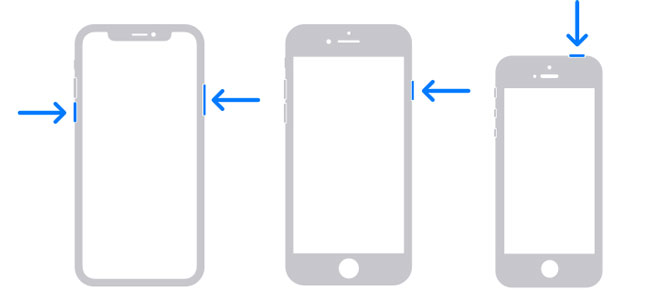
The method to soft reset your iPhone depends on your model:
iPhone X, 11, 12, 13, 14, 15, 16 series (Face ID models)
iPhone 8, SE (2nd/3rd gen)
iPhone 7 / 7 Plus
iPhone 6s, SE (1st gen), and earlier
A hard reset (factory reset) should only be used when a soft reset and other basic troubleshooting methods fail to resolve the issue. Since this process erases all content and settings on your iPhone, it is important to back up your data beforehand whenever possible.
You may need to perform a hard reset in the following situations:
Before proceeding, make sure your important data is backed up to iCloud, Finder, iTunes, or another backup solution.
Option 1: Hard Reset iPhone from Settings
This is the easiest method if your iPhone is accessible.
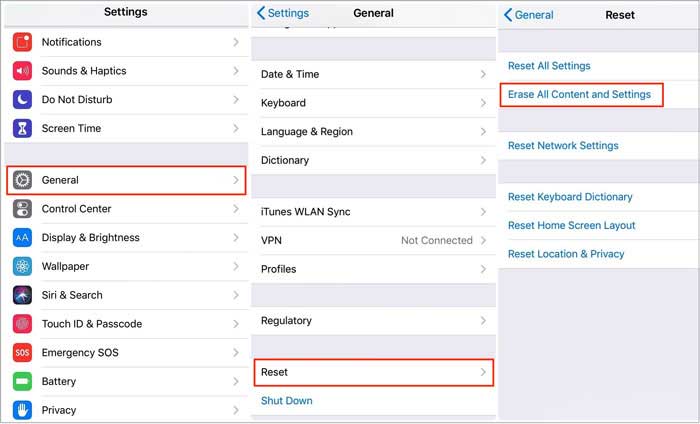
Once finished, your iPhone will restart and display the initial setup screen.
Option 2: Hard Reset iPhone Using Finder or iTunes
If your iPhone is unresponsive or you cannot access the Settings app, you can use a computer.
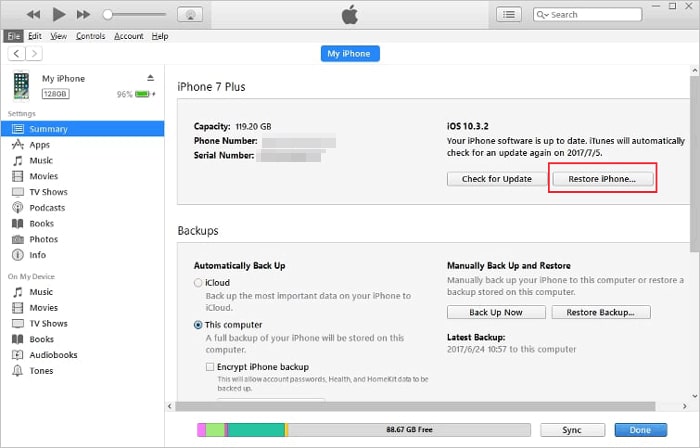
After the process is complete, you can set up your iPhone as new or restore it from a previous backup.
Note: A hard reset permanently removes your personal data, including photos, messages, contacts, apps, and settings. Therefore, it is strongly recommended to create a backup of your iPhone before proceeding.
Before performing a hard reset, it's highly recommended to create a complete backup of your iPhone. This ensures that your important data, such as contacts, messages, photos, videos, notes, and app data, can be restored later if needed. While iCloud and iTunes are common backup options, they may have limitations in terms of storage space, accessibility, or file management. If you're looking for a more flexible solution, Coolmuster iOS Assistant is worth considering.
Key features of Coolmuster iOS Assistant:
Free download Coolmuster iOS Assistant on your computer now:
How to Back Up Your iPhone with One Click Using iOS Assistant:
01 Download and install Coolmuster iOS Assistant on your computer. Launch the program and connect your iPhone via a USB cable. Trust the computer on your iPhone if prompted. Once the software detects your device, you'll see the main interface.
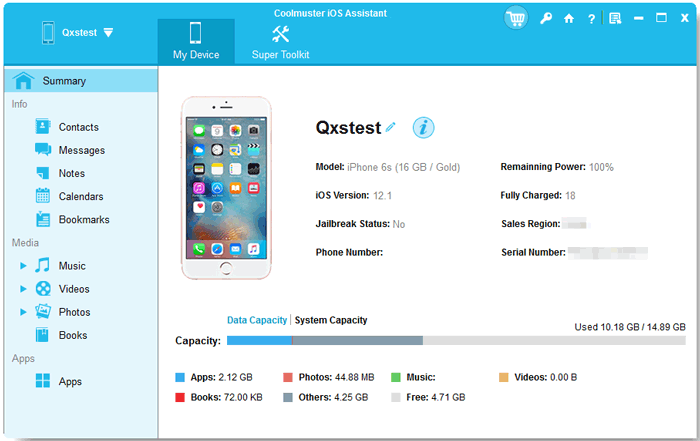
02 Click "Super Toolkit" from the top menu. Select "iTunes Backup & Restore" and then choose "Backup".
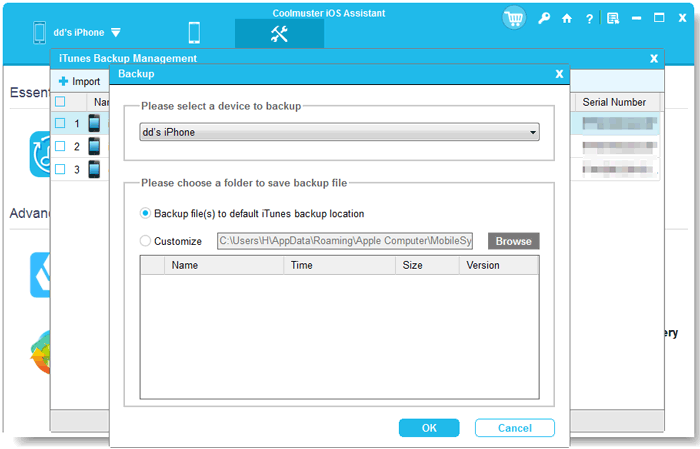
03 Choose your iPhone from the device list and specify a location on your computer to save the backup files. Click "OK" to start the backup process. Wait until the backup is completed successfully.
Video Guide:
In summary, understanding the differences between a soft reset and hard reset on iPhone is crucial for troubleshooting. A soft reset is ideal for minor glitches, while a hard reset should only be performed when serious issues arise. Before attempting a hard reset, always back up your important data using iCloud, iTunes, or a reliable tool like Coolmuster iOS Assistant. By following the right reset method and safeguarding your data, you can resolve iPhone problems safely and efficiently.
Related Articles:
[Solved] How to Reboot/Factory Reset iPhone Without iTunes?
[Full Guide] How to Factory Reset iPhone Without Computer?




 Free Download for PC
  Free Download for Mac


