iCloud stores some of the most important data on your iPhone, including photos, contacts, messages, notes, and device backups. While Apple provides built-in security protections, iCloud accounts are still vulnerable to risks such as unauthorized access, data leaks, and accidental exposure caused by improper settings. Protecting your iCloud is not just about setting a strong password - it also involves managing synced data, monitoring account activity, and controlling what information is stored in the cloud.
In this guide, we'll walk you through practical ways to secure your iCloud account and protect your personal data effectively.
Two-factor authentication (2FA) adds an extra layer of security to your iCloud and Apple ID account. Even if someone knows your password, they won't be able to access your iCloud data without a verification code sent to your trusted devices. Enabling and properly managing 2FA is one of the most effective ways to protect your iCloud account from unauthorized access.
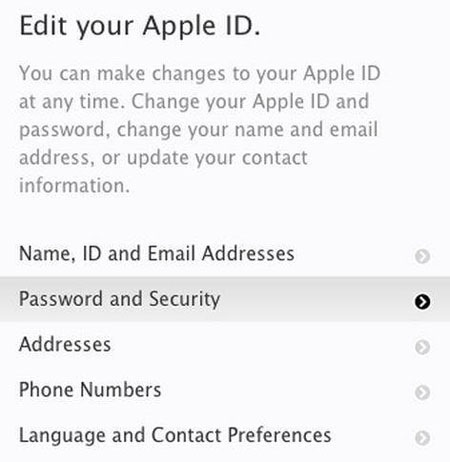
How to Enable Two-Factor Authentication on iPhone:
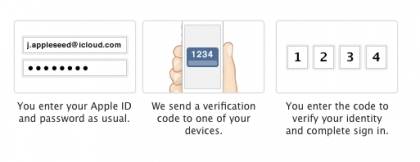
When you sign in to iCloud on a new device or browser, Apple will send a six-digit verification code to your trusted device or phone number. You must enter this code to complete the sign-in process, preventing unauthorized access.
Tips for Managing Two-Factor Authentication:
Removing sensitive or unnecessary files from iCloud is an important step in protecting your privacy. Even data you no longer use - such as old photos, documents, or backups - can still pose a security risk if left stored in the cloud. Regularly reviewing and deleting private files helps reduce exposure and keeps your iCloud storage clean and secure.
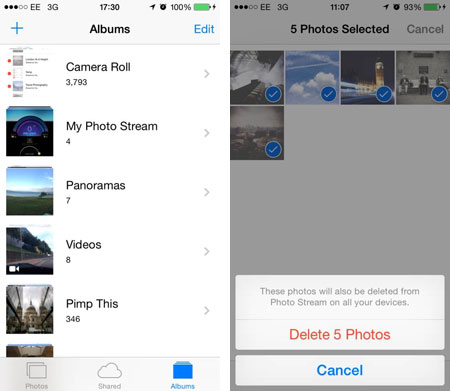
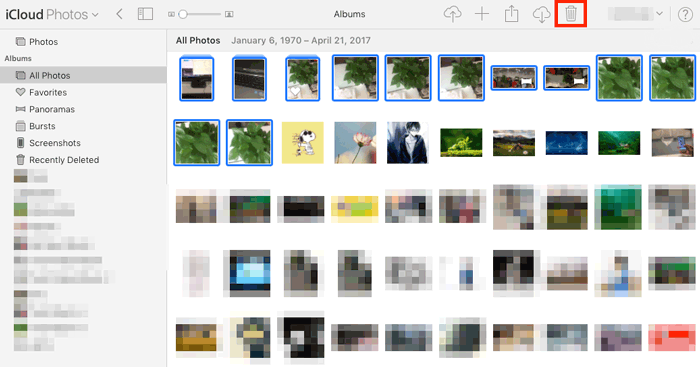
Important Notes Before Deleting
Your Apple ID is the key to accessing iCloud and all Apple services. If your Apple ID is compromised, attackers can gain access to your personal data, backups, and even connected devices. Securing your Apple ID properly is essential for protecting your iCloud account and preventing unauthorized access.
Relying solely on iCloud to store important data is not always the safest option. While iCloud is convenient, keeping all your files in the cloud increases the risk of data exposure, accidental deletion, or account-related issues. Backing up iCloud data to a local computer gives you full control over your information and reduces dependence on online storage. Tools like Coolmuster iOS Assistant allow you to view, export, and manage iCloud-related data directly on your computer, offering an extra layer of privacy and security.
Key Features of Coolmuster iOS Assistant:
How to Back Up and Manage iCloud Data Locally
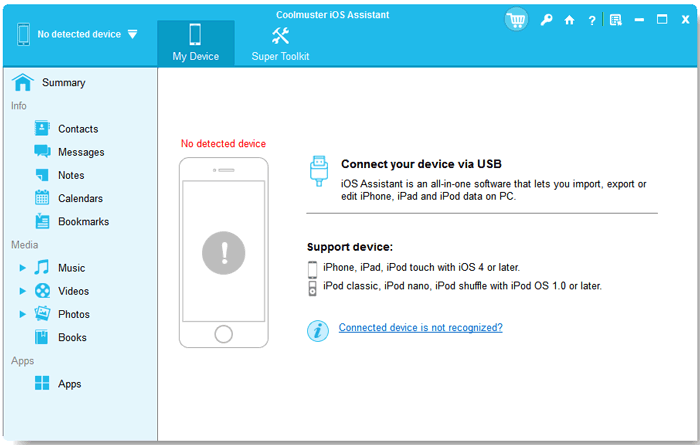
01Connect iPhone to Computer
Install and launch Coolmuster iOS Assistant on your computer. Connect your iPhone using a USB cable and unlock the device to allow the software to detect your data.
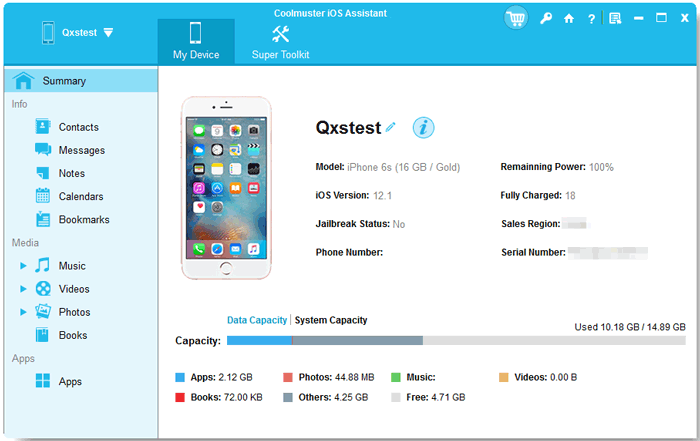
02Select Data Categories
Once connected, choose the data types you want to manage, such as Contacts, Messages, Photos, or Notes, from the left panel to preview iCloud-synced content.
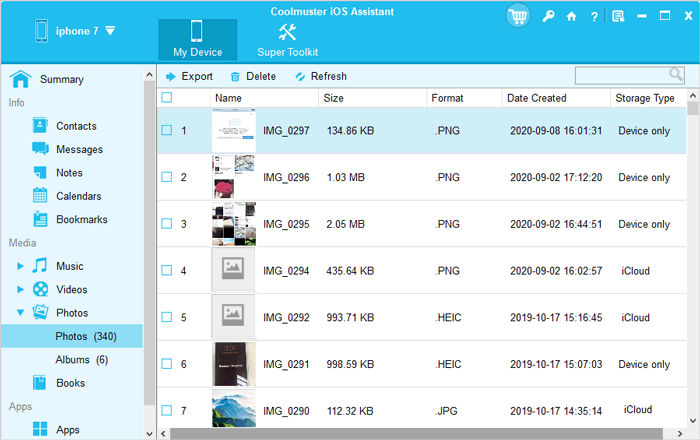
03Export Data to Computer
Select the files you want to back up and click the "Export" option. Choose a location on your computer to save the data securely for local access or future use.
By keeping a local backup alongside iCloud, you gain better control over your personal data while minimizing potential cloud-related risks.
Video Guide:
Q1: Is iCloud safe enough to store private data?
iCloud uses encryption and multiple security layers to protect data, but no cloud service is completely risk-free. User behavior, weak passwords, and misconfigured settings can still lead to data exposure.
Q2: What should I do if I suspect my Apple ID has been hacked?
Change your Apple ID password immediately, review all connected devices, enable or recheck two-factor authentication, and remove any unfamiliar devices from your account.
Q3: Can deleted iCloud files be recovered?
Most deleted files can be restored from the Recently Deleted folder within 30 days. After permanent deletion, recovery is usually not possible without a local backup.
Q4: Is it safe to sign in to iCloud on public or shared computers?
No. Signing in on public computers increases the risk of credential theft. Always use trusted personal devices to access your iCloud account.
Q5: Why should I back up iCloud data locally?
Local backups give you full control over your data, protect against account-related issues, and reduce reliance on cloud storage for sensitive information.
Protecting your iCloud account requires more than a single security setting. By enabling two-factor authentication, securing your Apple ID, and regularly deleting private files, you significantly reduce the risk of unauthorized access. However, true data protection also involves smart data management. Limiting unnecessary iCloud syncing and keeping local backups ensures your information remains accessible and secure even if cloud issues arise.
For users who value privacy and control, combining iCloud with a reliable local management tool like Coolmuster iOS Assistant offers a balanced and safer approach to iCloud security.
Related Articles:
[Solved] How to Unlock Apple ID without Security Questions
How to Unlock iCloud Account? 5 Useful Ways for Unlocking




 Free Download for PC
  Free Download for Mac


