AirPlay is a powerful feature on the iPhone that allows you to stream content to compatible devices like Apple TVs, speakers, and smart TVs. The AirPlay icon is essential for accessing this feature, but sometimes, users can't find AirPlay on iPhone as expected. This can be frustrating, especially if you're trying to enjoy media across multiple devices.
In this guide, we'll explore what the AirPlay icon is, why it might not be appearing on your iPhone, and how you can fix the "AirPlay icon not showing on iPhone" issue quickly and easily with simple troubleshooting steps.
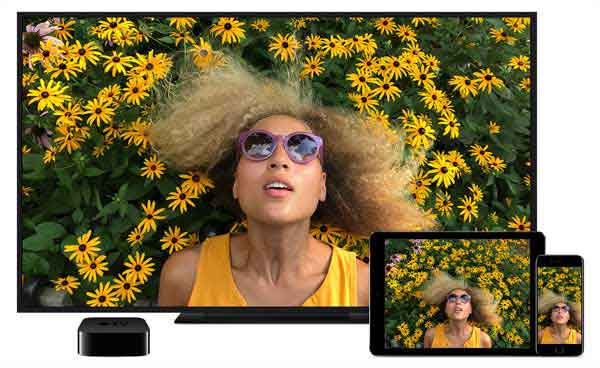
The AirPlay icon on your iPhone is a small symbol that allows you to stream audio, video, and screen content to other compatible devices, such as an Apple TV, AirPlay-enabled speakers, or smart TVs. The icon looks like a rectangle with a triangle pointing upwards at the bottom and is usually found within media playback controls when you're watching a video or listening to music. (See how to Use AirPlay Mirroring on iPhone/iPad?)
In Control Center:
In the Playback App:
In Safari:
There are several reasons why the AirPlay icon may not appear on your iPhone. While it's a convenient feature, issues can arise due to a variety of factors, ranging from connectivity problems to settings misconfigurations. Here are the most common reasons why the AirPlay icon might be missing:
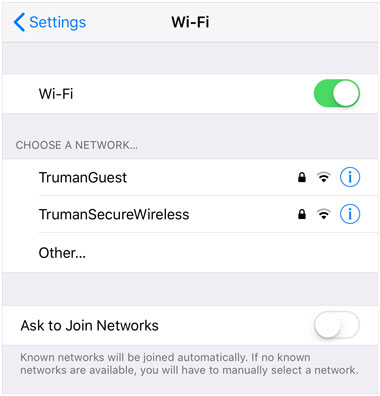
To AirPlay content from iOS device to Apple TV, please make sure both of your iOS device and Apple TV are connected to the same Wi-Fi network (iPhone Won't Connect to Wi-Fi?). Similarly, if you want to AirPlay content from Mac to Apple TV or AirPlay enabled device, you need to make sure the two devices are connected to the same network. Besides, if your Apple TV uses Ethernet, please make sure the cable is plugged into the router that you use for Wi-Fi.
To check whether you have connected your devices to the same network, you can follow the instructions as below:
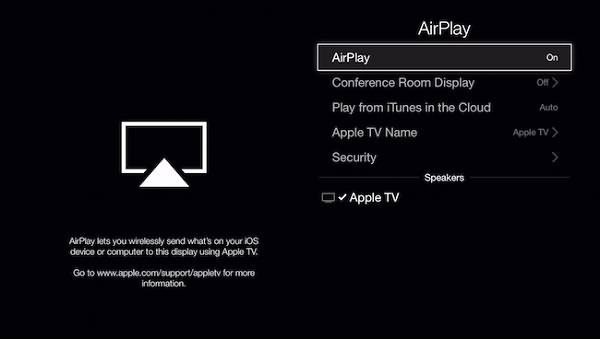
Sometimes, the AirPlay icon won't appear because AirPlay is disabled on the receiving device (like Apple TV, smart TVs, or AirPlay speakers). To ensure AirPlay is enabled on your device, follow these steps:
On Apple TV:
On AirPlay-Compatible Speakers:
On Smart TVs:
(How to Turn iPhone/iPad into AirPlay Receiver?)
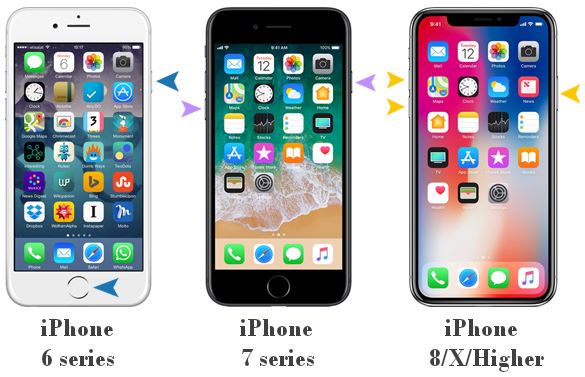
Sometimes, a simple restart can resolve connectivity issues and get the AirPlay icon working again. Restarting both your iPhone (or iPad) and the receiving device (such as Apple TV or Mac) can help fix temporary glitches and refresh the connection. Here's how to do it:
Restart Your iPhone or iPad:
Restart Apple TV:
Restart Your Mac (if used as AirPlay device):
Bluetooth can sometimes interfere with the Wi-Fi connection needed for AirPlay, causing the AirPlay icon to not appear on your iPhone. To fix this, try turning off Bluetooth and see if that restores the AirPlay icon. Here's how:
Once Bluetooth is off, go back to your media app (e.g., Apple Music, YouTube, or Netflix) and check if the AirPlay icon appears. If it does, you can turn Bluetooth back on afterward if needed, but keep it off while using AirPlay.
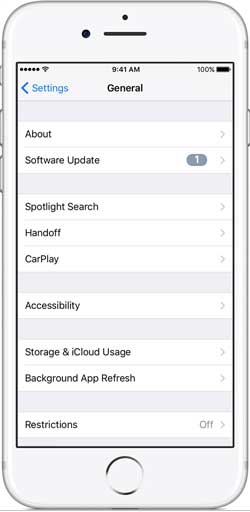
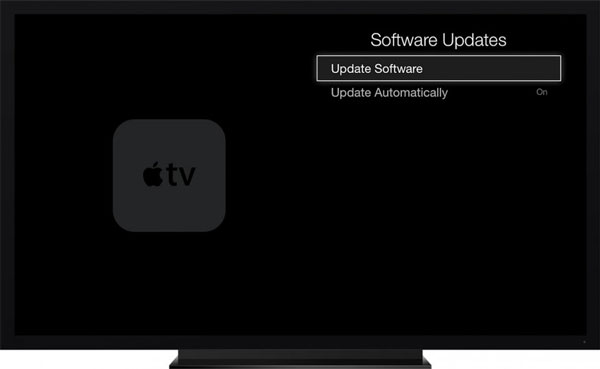
Outdated software on either your iPhone or the receiving device (e.g., Apple TV) can cause AirPlay issues, including the AirPlay icon not showing. Keeping both devices up to date ensures compatibility and can resolve bugs or glitches. Here's how to check for and install updates:
Update iOS on Your iPhone:
Update Apple TV:
Update Other AirPlay Devices:
Sometimes the AirPlay icon may not appear if the device you're trying to stream to isn't compatible with AirPlay or if it's not set up correctly. To ensure you're using compatible devices, follow the steps to check device compatibility:
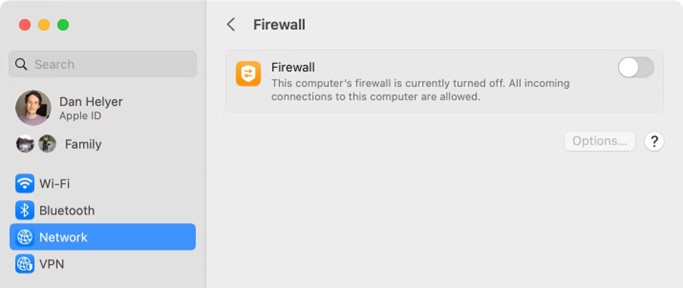
You can adjust your firewall settings to ensure AirPlay works properly on your Apple devices.
Are you looking for a way to use AirPlay on Windows 10/11? Learn the basics of airplay windows 10 technology and learn how to get it up and running on your computer.
Use AirPlay on Windows 10/11 [Unfettered Free Playing on PC]
In practical use, AirPlay does have its limitations. If the AirPlay icon isn't showing on your Mac, it can be quite frustrating.
As an AirPlay alternative, we recommend using a third-party screen mirroring app like Screen Mirror. This app supports both iOS and Android devices and is compatible with both Windows and Mac systems. The setup is simple and works via either a USB cable or a Wi-Fi connection. Unlike AirPlay, if your Wi-Fi is unstable, you can switch to a USB connection for a reliable and quick solution.
Screen Mirror offers up to 4K resolution for high-quality mirroring and provides excellent stability, allowing continuous mirroring for over 10 hours without issues. It's a great alternative to AirPlay.
Now, let's see how to use Screen Mirror to mirror your iPhone or Android screen to a MacBook or PC:
01 Open Screen Mirror on your computer and select "iOS" from the main interface to start the mirroring process.
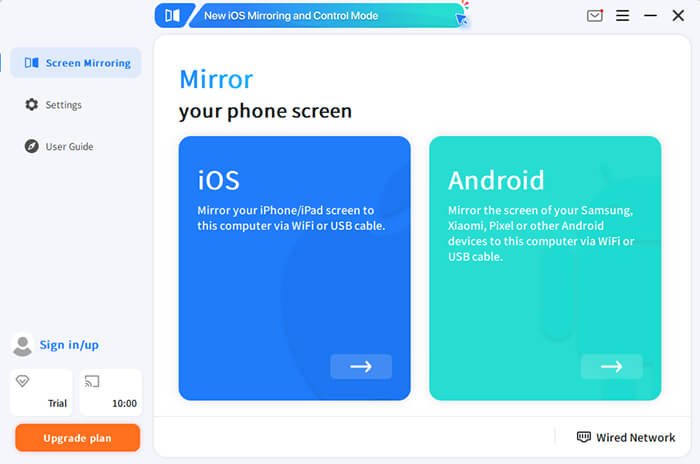
02 Connect your iPhone or iPad to the computer using either a USB cable or Wi-Fi connection. For the initial setup, it's recommended to use a USB cable for a more stable connection. If prompted, tap "Trust This Computer" on your iPhone.
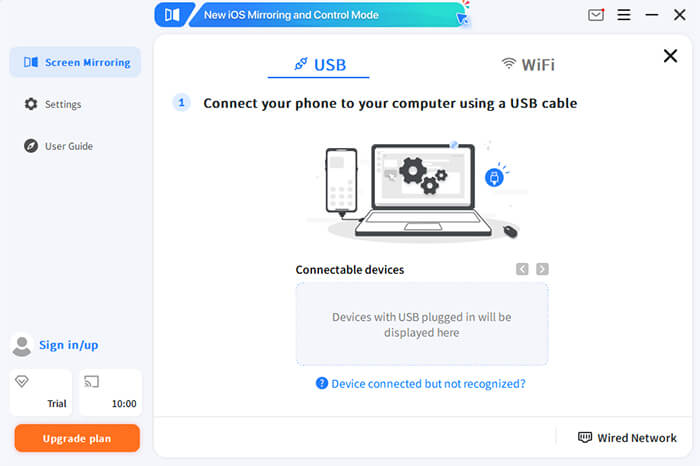
03 Choose your device from the list of available devices. If this is your first time connecting, simply follow the on-screen instructions to complete the setup.

04 Once connected, you can enjoy real-time screen mirroring on a larger display. You can also record your screen, take screenshots, stream gameplay, deliver presentations, or share your screen during meetings and online classes.
In conclusion, if the AirPlay icon isn't showing on your iPhone, several troubleshooting steps can help restore the feature, such as checking the Wi-Fi connection, enabling AirPlay on your devices, or restarting both your iPhone and receiving device. If AirPlay continues to be problematic, using third-party screen mirroring apps like Screen Mirror provides a stable, high-quality alternative, allowing you to mirror your iPhone's screen seamlessly to your Mac or PC, even with an unstable Wi-Fi connection.
Related Articles:
[Guide] How to Mirror iPad to PC with/without USB Cable
Mirror iPhone to Mac | View iPhone Screen on Mac [3 Ways]




 Free Download for PC
  Free Download for Mac


