Restoring an iPhone reinstalls the operating system and usually erases all existing data, including photos, messages, apps, and settings. Many users wonder whether it is possible to undo a restore and get their data back. Unfortunately, Apple does not offer a direct "Undo Restore" option. However, data recovery is still possible in certain situations.
If you have an iCloud or iTunes/Finder backup, you can restore your iPhone from that backup. Even without a backup, some data may still be recoverable if you act quickly and use the right recovery approach. This guide explains when undoing a restore is possible and the best methods to recover your lost iPhone data.
There is no direct "Undo Restore" option provided by Apple. Once a restore is completed, the previous system state cannot be reversed. However, recovering your data may still be possible in certain situations.
If you created an iCloud or iTunes/Finder backup before the restore, you can restore your iPhone from that backup to get your data back. Even without a backup, some data might still be recoverable if you act quickly and use an appropriate recovery method.
Keep in mind that recovery success is not guaranteed, especially if new data has already overwritten the original storage space.
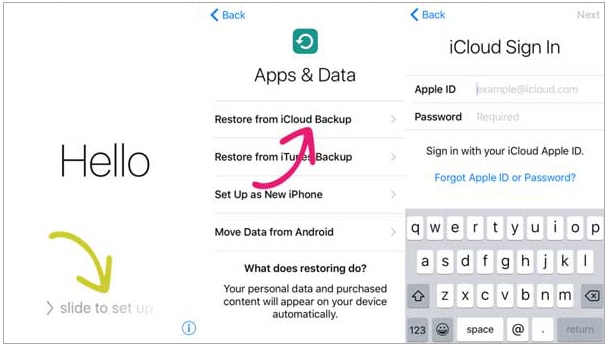
This method is suitable if you previously enabled iCloud Backup and a backup was created before the restore. Restoring from an iCloud backup can bring back your photos, contacts, messages, app data, and settings. Note that you must erase the iPhone again to reach the setup screen before you can restore from iCloud.
Pros and Cons:
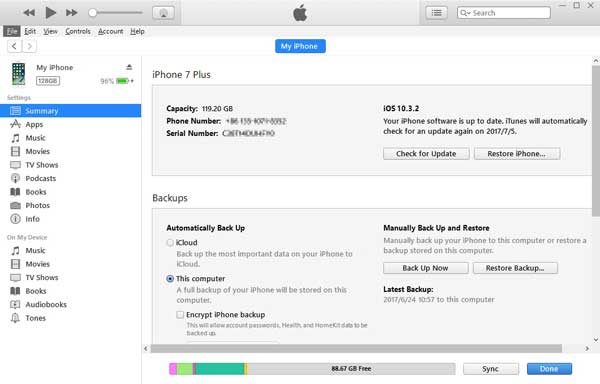
This method is suitable if you created a backup on a computer using iTunes (Windows or older macOS) or Finder (macOS Catalina and later) before the restore. Restoring from a computer backup can recover photos, messages, contacts, app data, and many device settings. Unlike iCloud, this method does not require an internet connection, but you must use the same computer where the backup is stored.
Pros and Cons:
If you don't have an iCloud or iTunes/Finder backup, undoing a restore becomes more challenging-but not impossible. In some cases, deleted data may still be recoverable before it gets overwritten by new files. The key is to stop using the iPhone immediately and use a professional recovery solution. Coolmuster iPhone Data Recovery is designed for this situation, helping users scan the device and retrieve lost data even after a restore.
Key Features of Coolmuster iPhone Data Recovery
Steps to undo a restore without backup on iPhone:
01 Download and install Coolmuster iPhone Data Recovery on your Windows PC or Mac, then open the program. Use a USB cable to connect your iPhone to the computer and tap Trust This Computer on your iPhone if prompted.
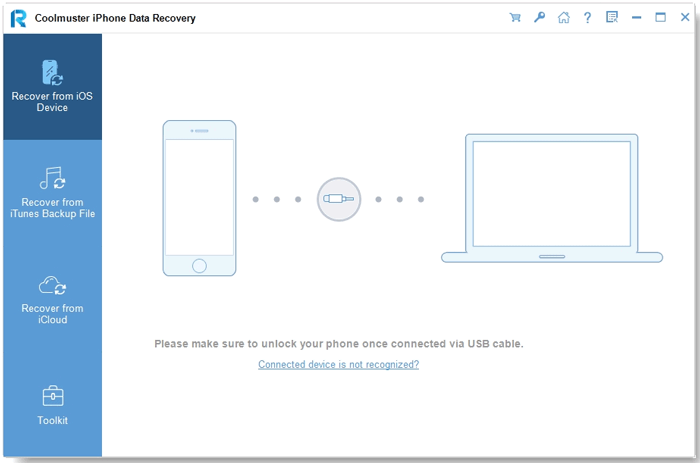
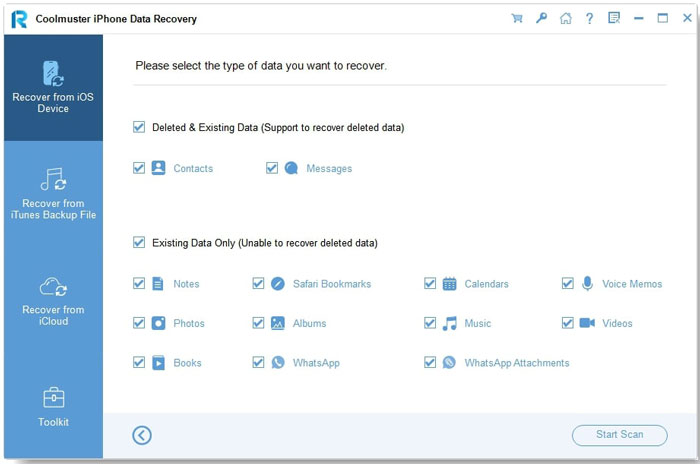
02 Once the device is detected, choose the data types you want to recover (such as Contacts, Messages, etc.), then click "Start Scan". The software will analyze your iPhone storage and list all recoverable files.
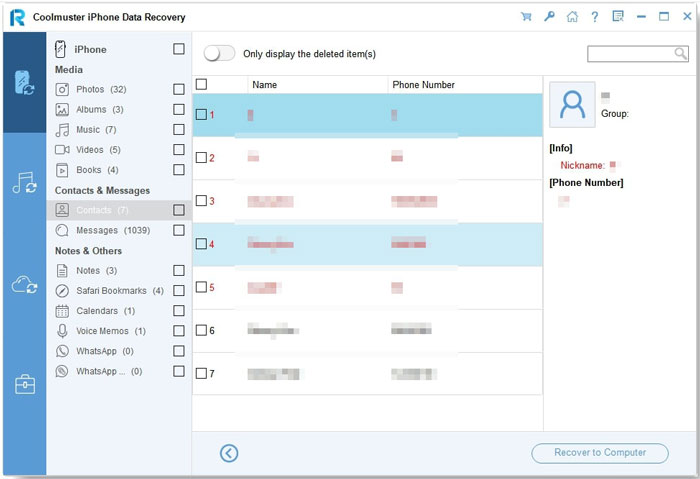
03 After the scan completes, choose the files you want to restore and click "Recover to Computer". Select a location on your computer to save the recovered data safely without overwriting anything on your iPhone.
Video Guide:
Q1: Will restoring an iPhone delete everything again?
Yes. Restoring your iPhone will erase the current data on the device and replace it with the contents of the selected backup. That's's why it's important to back up your current data before performing another restore. (Learn more: Does Restoring iPhone Delete Everything?)
Q2: How long does it take to restore data back to iPhone?
It depends on the backup size, internet speed (for iCloud), and device performance. Small backups may take a few minutes, while large backups with photos, videos, and apps can take an hour or longer. (How Long Does It Take to Restore from iCloud?)
Q3: Can I recover only specific files instead of a full restore?
Yes. Some third-party iPhone data recovery tools like Coolmuster iPhone Data Recovery allow selective recovery, meaning you can preview and restore only the files you need, such as photos, messages, or contacts, without overwriting the entire device.
Q4: What should I do immediately after realizing I restored the wrong backup?
Stop using the iPhone as much as possible to avoid overwriting old data. Then check your iCloud or computer for another backup and restore from it, or use a reliable iOS data recovery tool to scan and recover lost files.
Accidentally restoring your iPhone can feel stressful, but recovery is often possible if you act quickly. The best solution is to restore from an iCloud, iCloud or computer backup, which can bring back most or all of your lost data. If no suitable backup is available, professional iOS data recovery tools like Coolmuster iPhone Data Recovery may still help retrieve important files selectively.
To avoid similar problems in the future, make regular backups and verify them before restoring. With the right method and timely action, you still have a good chance of recovering your valuable iPhone data.
Related Articles:
Does Restoring iPhone Delete Photos? Answered in 2026
[Solved] How to Factory Restore iPhone with Broken Screen?




 Free Download for PC
  Free Download for Mac


