There's nothing more frustrating than a Samsung phone that keeps restarting unexpectedly. Whether it's stuck in an infinite boot loop, restarts randomly during use, or shuts down and reboots without warning, this issue disrupts your daily routine and risks data loss. The good news is that most restart problems stem from software glitches or incorrect settings, which you can fix with simple troubleshooting steps. In this guide, we'll first explore the common causes of continuous restarts on Samsung phones, then walk you through 9 effective solutions to get your device back to normal.
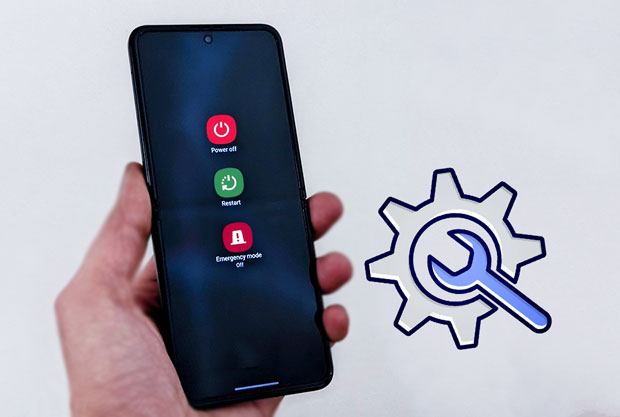
There are a number of reasons why your Samsung phone might keep restarting. Understanding these causes can help you pinpoint the issue and apply the correct solution.
We recommend following these fixes in order, starting with the simplest and least invasive (no data loss) before moving to more drastic measures. Let's get started:
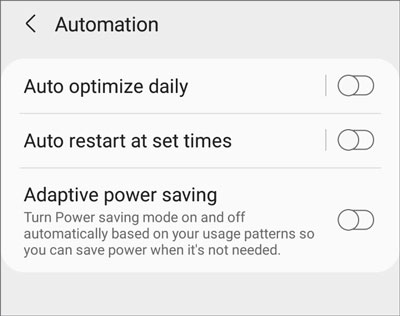
Samsung phones have a feature called "Auto-Optimization" that automatically runs in the background to improve performance. However, this feature can sometimes cause unexpected restarts. To disable it:
Go to "Settings" > "Battery and device care" > "More options" (three vertical dots), and choose "Automation". From there, turn off the toggle that is found near "Auto optimize daily".
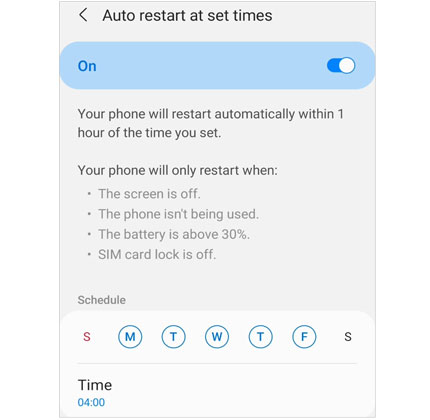
The Auto-Restart feature is designed to restart your phone at a scheduled time (e.g., 3 AM) when it's not in use. If this is enabled, it may seem like your phone is restarting randomly. Here's how to turn it off:
Go to "Settings" and search for "Auto restart at set times". Then, switch off its icon.
Outdated software is a common cause of restart issues. Samsung regularly releases software updates with bug fixes and stability improvements. Here's how to check for and install updates:
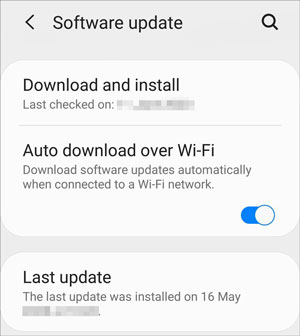
Step 1. Open "Settings" > "Software Update".
Step 2. Tap "Download and install" (or Check for updates on older models).
Step 3. If an update is available, connect your phone to Wi-Fi (carriers often require Wi-Fi for large updates) and ensure the battery is at least 50% charged.
Step 4. Tap "Install" and follow the on-screen instructions. Your phone will restart automatically after the update is complete.
When Android devices store large amounts of data, they often become sluggish, and excessive cache files can create conflicts within the system. To fix this, you should free up space by removing unnecessary files, clearing cache, or uninstalling apps you no longer need.
Here's how you can do it:
Step 1. Go to "Settings" > "Storage".
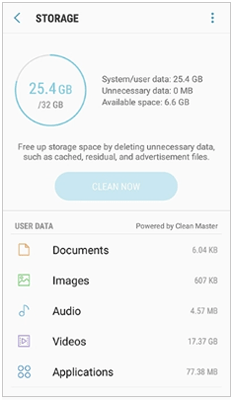
Step 2. Review the storage usage and identify large files or apps.
Step 3. Delete unwanted files or apps, and clear the cache data from apps that are taking up significant space.
Safe Mode is a diagnostic mode that disables all third-party apps, allowing you to determine if an app is causing the restart issue. If your phone works normally in Safe Mode, a faulty third-party app is the culprit:
Step 1. Press and hold the "Power" button until the Power menu appears (e.g., Power off, Restart).
Step 2. Touch and hold the "Power off" option until a pop-up appears asking if you want to enter Safe Mode.
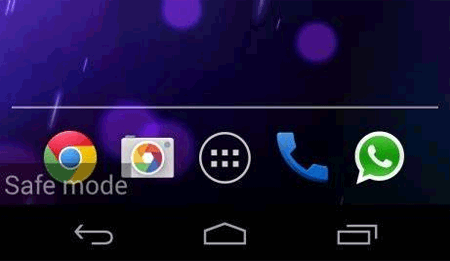
Step 3. Tap "Safe Mode" to confirm. Your phone will restart, and you'll see "Safe Mode" displayed at the bottom of the screen.
What to do next:
If Safe Mode doesn't work, use Recovery Mode to clear the system cache (a common fix for corrupted files) or Download Mode to reflash the system firmware (for more severe issues).
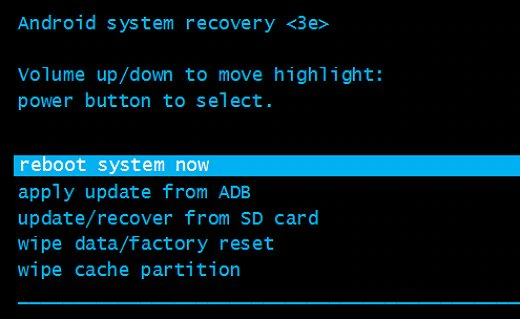
Option A. Clear Cache Partition in Recovery Mode (No Data Loss)
Step 1. Turn off your Samsung phone completely.
Step 2. Press and hold the "Volume Up" button + "Power" button (some models require holding "Volume Up" + "Power" + "Bixby").
Step 3. Release the buttons when the Samsung logo appears; you'll enter Recovery Mode.
Step 4. Use the "Volume Down" button to navigate to "Wipe Cache Partition".
Step 5. Press the "Power" button to select it.
Step 6. Select "Yes" to confirm (use Volume buttons to navigate, Power button to select).
Step 7. Once the process is complete, select "Reboot System Now" to restart your phone.
Option B. Use Download Mode with Odin (Advanced)
If clearing the cache doesn't work, you can use Samsung's Odin tool to reflash the official firmware (this replaces corrupted system files).
Note: This requires a Windows PC and the correct firmware for your device model.
Follow these steps carefully:
Step 1. Download the latest Odin tool and the correct firmware for your Samsung model (from Samsung's official website or a trusted source).
Step 2. Extract the firmware files to your PC.
Step 3. Turn off your phone and enter Download Mode: Press and hold "Volume Down" + "Power" + "Bixby" (or "Volume Down" + "Power" for newer models) until the Download Mode screen appears. Press "Volume Up" to confirm.
Step 4. Connect your phone to the PC via USB cable.
Step 5. Open Odin on your PC; you'll see a "Added!" message if the device is detected.
Step 6. Load the firmware files into Odin (AP, BL, CP, CSC files correspond to the respective slots in Odin).
Step 7. Click "Start" to begin flashing. Do not disconnect the phone during the process. Once complete, your phone will restart automatically. Check if the restart issue is fixed.
If your Samsung phone is still not functioning properly after trying the previous fixes, Android System Repair is a highly effective solution to fix the issue of your phone continuously restarting. It doesn't require any technical expertise, and you can fix your phone with just a few simple clicks.
Key features of Android System Repair:
Below is how to fix the Samsung phone that keeps restarting with the system repair software:
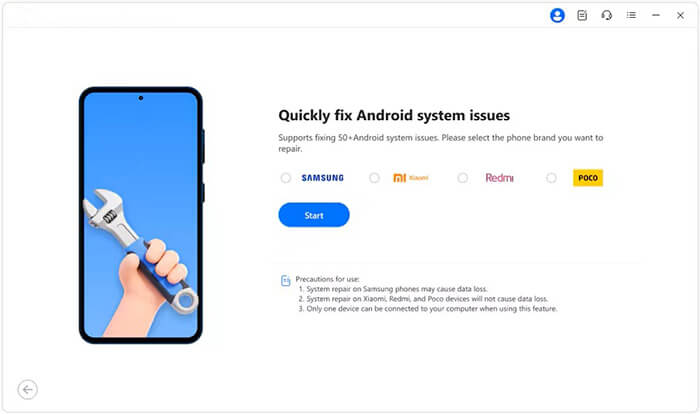
01Download, install, and run Android System Repair on your computer. Then, select the "System Repair" module.
02Connect your Samsung device to the computer via USB, then select "Android" > "Android Repair" > "Repair Now".
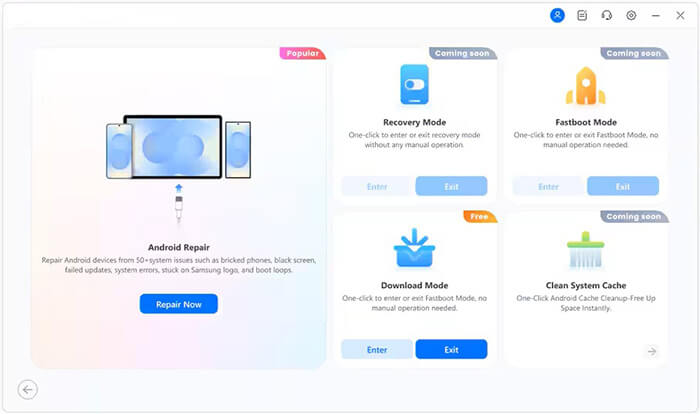
03Choose "Samsung" as the device brand, then select your device model. Agree to the warning and click "Next". Enter "000000" and hit "Confirm".
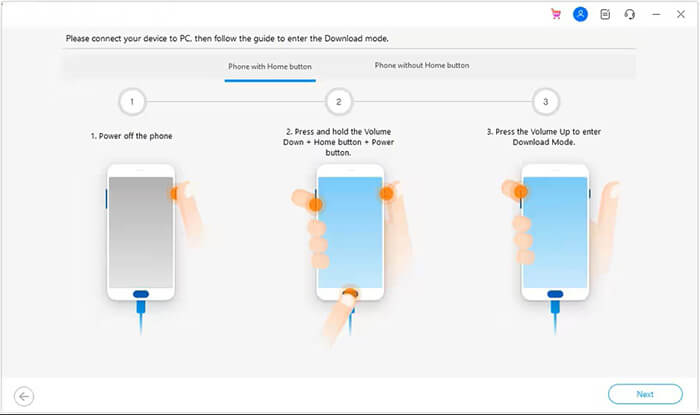
04Follow the on-screen instructions to put your Samsung device into Download Mode. Once done, click "Next".
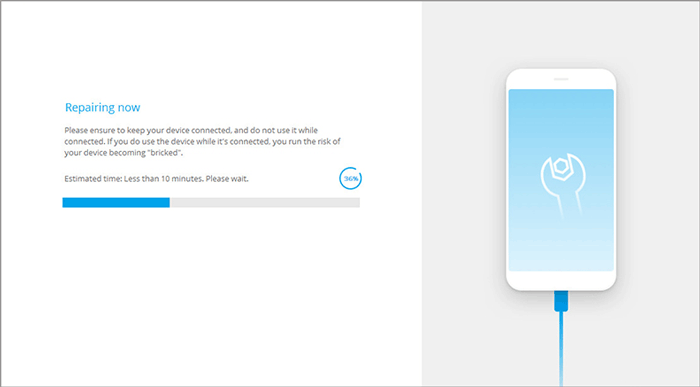
05Android System Repair will automatically download and verify the correct firmware for your device, then begin the repair process.
A factory reset erases all data (apps, photos, contacts, etc.) from your phone and restores it to its original factory settings. This is a last-resort software fix for persistent restart issues. Please back up your Samsung data first using Samsung Smart Switch, Google Drive, or a computer.
Step 1. Open "Settings" > "General Management" (or System on newer models).
Step 2. Tap "Reset" > "Factory data reset".
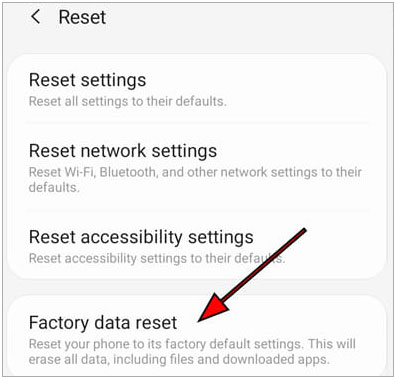
Step 3. Scroll down and tap "Reset" (or Delete All).
Step 4. Enter your lock screen password or Samsung account credentials to confirm. Your phone will restart and begin the reset process.
If the above fixes did not help you accordingly, then maybe your Samsung phone needs hardware repair. Besides that, the issue might be the phone itself. So, you can contact customer support and explain your problem in detail to be helped.
Having a phone that keeps restarting isn't a pleasurable thing. And you shouldn't go through all that hassle. But, if it happens, no more worries as this guide has highlighted the ways to fix the problem. The Android System Repair software can powerfully assist in fixing the constantly restarting issue on Samsung.
Hopefully, with the above fixes, you will be able to fix the Samsung gadget that keeps rebooting. The problem is most likely to be software issues rather than hardware. But, despite the problem, the above ways are your savior.
Related Articles:
Samsung Stuck on Logo: Causes and 6 Effective Solutions to Fix It
How to Fix Samsung Tablet Won't Turn On Issue with 6 Solutions?
Samsung Black Screen of Death: Reasons and 7 Solutions
How to Fix a Bricked Samsung Phone with 5 Effective Solutions




 Free Download for PC


