TL;DR:
You can transfer files from PC to iPad using a USB cable with Coolmuster iOS Assistant, iTunes File Sharing, or a USB flash drive.
Want to access, edit, or share your PC files on your iPad? Transferring them through a USB connection is a practical option, especially when you want to move files without relying on cloud storage or an internet connection. However, since Windows PCs and iPads use different operating systems, the transfer process may not be as straightforward as copying files between two computers.
So, how can you transfer files from PC to iPad using a USB cable? This guide covers several workable methods, along with their steps and limitations, to help you find the one that best suits your needs.
If you want to transfer files from your PC to your iPad without using iTunes, Coolmuster iOS Assistant is a convenient option. It lets you connect your iPad to your computer via USB, preview and select supported data, and import files in batches. You can also export data from your iPad to your PC, back up and restore your device, and manage certain iPad content directly from your computer. The transfer process is straightforward and does not erase your existing iPad data.
Key features of Coolmuster iOS Assistant:
How to transfer files from PC to iPad using USB via Coolmuster iOS Assistant:
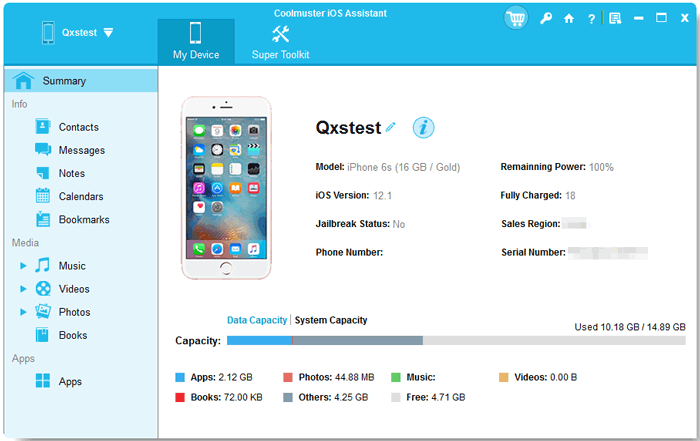
01Download, install, and launch Coolmuster iOS Assistant on your PC. Connect your iPad to the computer using a USB cable. If prompted, tap "Trust" on your iPad and enter your passcode. The software will detect your device and display its information.
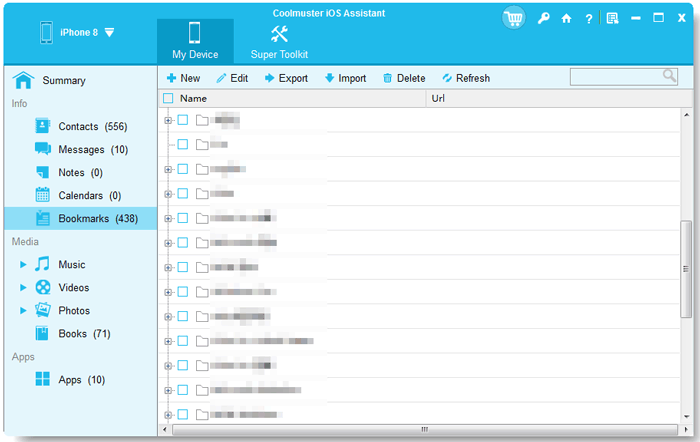
02Select the file category you want to transfer from the left panel. Click "Import" at the top, browse for and select the files from your computer, and click "OK" to start importing them to your iPad.
Video Guide:
iTunes provides two ways to transfer files from a Windows PC to an iPad using a USB cable: File Sharing and Syncing. File Sharing lets you add files to compatible apps on your iPad without syncing your entire content library. By contrast, iTunes Syncing is designed for supported media and content types, such as music, movies, and photos. However, syncing may replace or remove existing content of the same type, depending on your settings and how the content was added.
Choose the method that best suits your needs. Before starting, make sure you have the latest compatible version of iTunes installed on your PC.
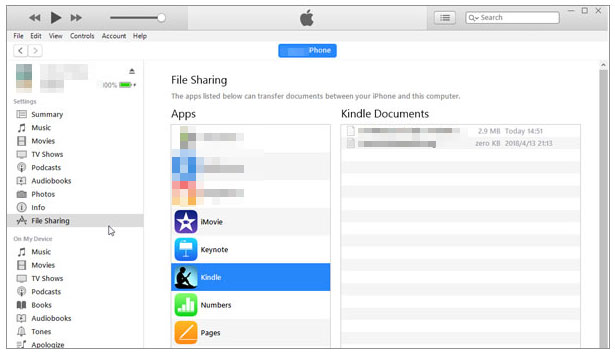
iTunes File Sharing allows you to copy documents and other supported files from your PC to apps that support file sharing. It is a good option if you only need to transfer specific files without syncing your entire iPad library.
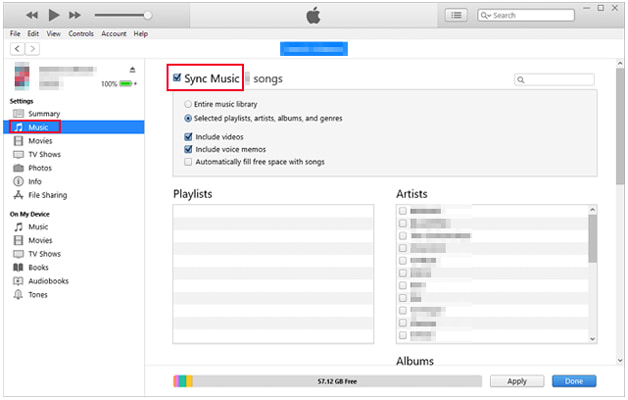
If you want to transfer supported media files, such as music, movies, or photos, iTunes Syncing is another option. However, syncing is less flexible than File Sharing because you need to select specific content categories and configure their sync settings. It may also replace or remove existing synced content of the same type.
Check the corresponding "Sync" option, if available, and select the files, folders, or items you want to transfer.
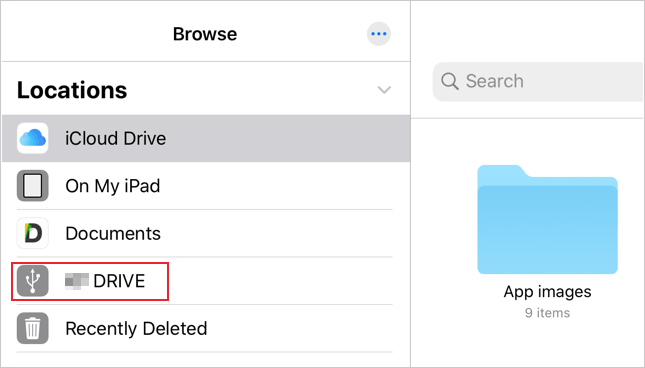
If you have a USB flash drive containing the files you need, you can connect it to your iPad and copy the files directly using the built-in Files app. USB-C iPads can connect to compatible USB-C flash drives directly, while iPads with a Lightning port generally require a Lightning-to-USB adapter. Depending on the flash drive and iPad model, you may also need a compatible adapter or hub.
How to transfer files from a USB flash drive to iPad:
Q1: Can You Transfer Files from PC to iPad Using USB via File Explorer?
No. Windows File Explorer does not allow you to directly copy files from your PC to an iPad, even when the devices are connected via USB. You can use File Explorer to access the iPad's DCIM folder and copy photos and videos from the iPad to your computer, but not the other way around. To transfer files from PC to iPad, use iTunes, Coolmuster iOS Assistant, or another supported method.
Q2: Why is my iPad not showing up on my Windows PC?
This usually happens because of a faulty USB cable, an unstable connection, or missing Apple device drivers. Try another USB port or cable, unlock your iPad, and tap "Trust" if prompted. You can also restart both devices and update or reinstall the Apple device software on your PC. (iPad or iPhone Not Showing Up on PC?)
Q3: Can I transfer files from PC to iPad without iTunes?
Yes. You can use a third-party iOS transfer tool like Coolmuster iOS Assistant to move supported files directly between your PC and iPad through a USB connection. This is useful if you want to select individual files instead of syncing an entire content library. You can also use cloud storage services, such as Google Drive or OneDrive, if a USB connection is not necessary.
Q4: What types of files can I transfer from PC to iPad?
You can transfer various file types, including photos, videos, music, PDFs, Word documents, Excel spreadsheets, and other supported files. However, how you transfer and access them depends on the method and the apps installed on your iPad. For example, documents may be stored in the Files app, while some media files need to be imported into compatible apps.
Q5: Why can't I transfer files from PC to iPad even though they are connected?
A successful USB connection does not always mean file transfers are available. The selected transfer method may not support the file type, or the target app may not be compatible with file sharing. Check whether your iPad is unlocked, whether the computer is trusted, and whether the destination app supports the files you want to import.
Q6: Can I transfer files from PC to iPad without losing existing data?
Yes. Many transfer methods allow you to add files without erasing existing content. However, some syncing operations may replace previously synced items, so check the settings before proceeding. If you want to transfer only selected files, choose a method that supports selective importing rather than full-library syncing.
Q7: How do I transfer large files from PC to iPad?
For large files, use a stable USB connection and make sure your iPad has enough free storage space. Avoid disconnecting the cable during the transfer. If you encounter errors, try transferring fewer files at a time. You should also check whether the destination app supports the file size and format.
Transferring files from a PC to an iPad via USB doesn't have to be complicated. You can use iTunes File Sharing for supported apps, iTunes Syncing for compatible media, or a USB flash drive for offline transfers. However, if you want more flexibility when moving selected files between your computer and iPad, Coolmuster iOS Assistant is worth considering. It lets you preview, select, and transfer supported data without going through the usual iTunes syncing process. Choose the method that works best for your needs and start managing your iPad files more easily.
Related Articles:
How to Transfer Music from Computer to iPad (New Tips in 2026)
How to Connect iPad to Computer Easily [USB and Wirelessly]
How to Transfer Files from Mac to iPad? 6 Ways for You
How to Transfer Photos from iPad to External Hard Drive with/without Computer?






 Free Download for PC
 Free Download for Mac


