"Ever since I updated my iPhone 13 Pro to iOS 17, I have had issues with iMessage. Every morning, I need to restart my iPhone before I can send an iMessage; if I don't do that, the message is stuck."
- from Apple Community
If you're dealing with the issue of iPhone not sending iMessages/text messages, you're not alone. Many iPhone users experience failed message delivery, spinning send icons, or repeated "Not Delivered" errors when trying to send messages. This problem can disrupt daily communication and often happens without any clear warning.
The good news is that this issue is usually caused by network problems, incorrect settings, or iOS system errors—most of which can be fixed without replacing your device. In this guide, we'll walk you through the main reasons why text messages/iMessages is not sending, followed by step-by-step solutions, from simple fixes to advanced system repair options.
Why are my iMessages/text messages failing to send? Here are the most common situations:
If your iPhone is not sending iMessages after the update, we will introduce various effective solutions in order, from simple to more advanced.
Since iMessage requires an internet connection, network issues are the most common reason behind an iPhone not sending iMessages/text messages. Even SMS may fail if carrier connectivity is unstable.
Here are the steps:
Step 1. Go to "Settings" > "Wi-Fi" and connect to a stable network.
Step 2. Or open "Settings" > "Cellular" and make sure Cellular Data is enabled.
Step 3. Turn Airplane Mode on, wait 10 seconds, then turn it off.
Step 4. If the issue persists, reset network settings: "Settings" > "General" > "Transfer or Reset iPhone" > Tap "Reset" > "Reset Network Settings".
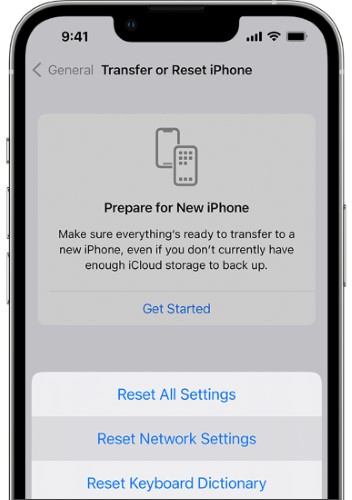
Note: This will not erase data, but Wi-Fi passwords and VPNs will be removed.
If iMessage is turned off, activation fails, or activation is interrupted, it can prevent messages from being sent properly, especially after changing the SIM card or updating the system.
Here is how to do it:
Step 1. Open "Settings" > "Messages".
Step 2. Make sure the "iMessage" toggle is turned on. (iMessage not working?)
Step 3. If it is already on, try turning off iMessage, waiting for 30 seconds, and then turning it back on.
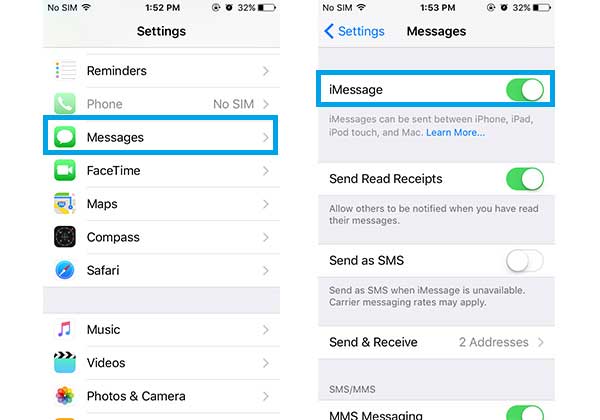
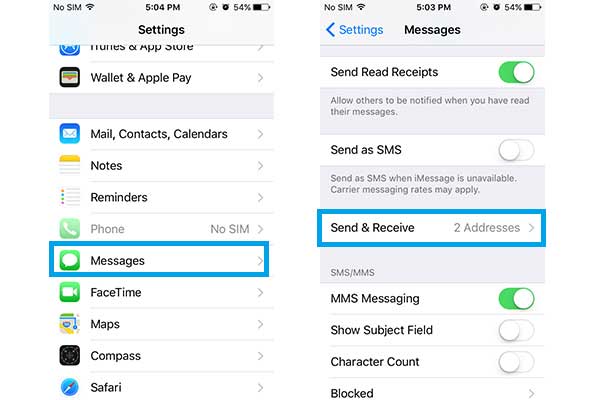
Even if iMessage is enabled, incorrect sending address settings can still prevent your iPhone from sending iMessages.
To check iMessage settings, follow the steps below:
Step 1. Open "Settings" > "Messages" > "Send & Receive".
Step 2. Make sure your Apple ID is correctly logged in.
Step 3. Check the correct phone number and email address.
Step 4. If there's an issue, try signing out of your Apple ID and then signing back in.
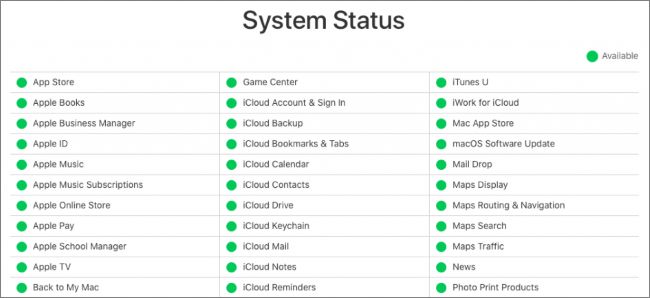
Sometimes the issue of iMessage not sending may not be with your device, but rather a temporary interruption in Apple's iMessage servers. In this case, no local actions can immediately fix the problem.
Open Apple's official system status page and check the iMessage service. If the status shows as abnormal or under maintenance, you will have to wait for Apple to restore the service.
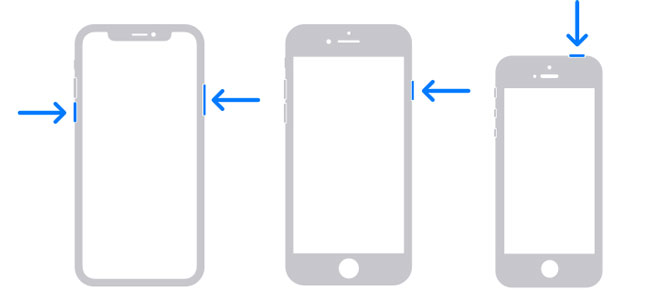
Temporary system glitches or background process errors can cause iMessage and SMS failures. Restarting the device refreshes system services.
For iPhone X, 11, 12, 13, or newer models:
For iPhone 6, 7, 8, or SE (2nd/3rd generation):
For iPhone SE (1st generation), 5, or earlier models:
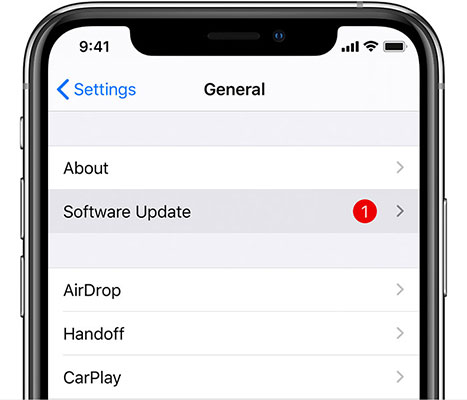
Outdated iOS versions may contain bugs that affect messaging services. Apple frequently fixes iMessage issues through software updates.
To update iOS, follow the steps below:
Step 1. Open "Settings" > "General" > "Software Update". (iPhone won't update?)
Step 2. Check if there is an available iOS update.
Step 3. Connect to Wi-Fi and complete the update.
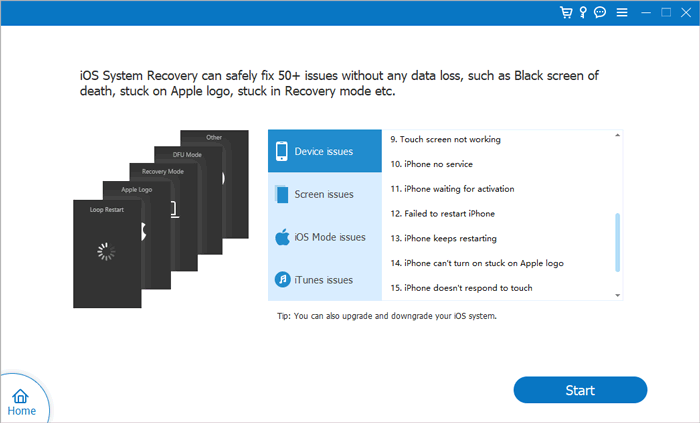
If none of the basic fixes work, the issue may be caused by corrupted iOS system files. In this case, manual troubleshooting often fails. iOS System Recovery is designed to fix system-level issues without deleting your data, including cases where your iPhone is not sending iMessages/text messages.
Key features of iOS System Recovery:
Here is how to fix iMessage not sending using iOS System Recovery:
01Download and install the tool on your computer. Once the download is complete, open the program and select "iOS System Recovery".
02Connect your iPhone to the computer and trust the connection. Then, click "Start" and follow the on-screen instructions to enter recovery mode.
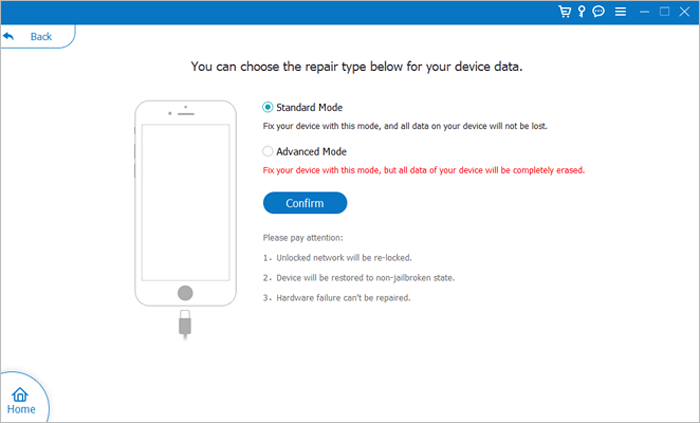
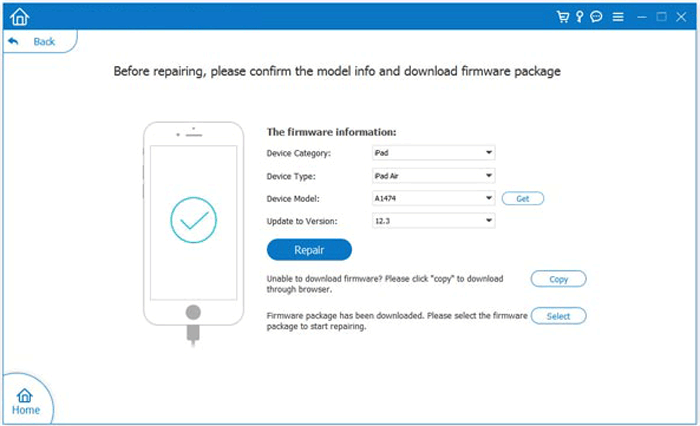
03Select "Standard Mode" and click "Confirm" to continue. The tool will begin downloading the necessary iOS firmware.
04Once the firmware is downloaded, click "Repair" to start the repair process. The tool will fix your device and resolve issues such as iPhone not sending iMessages.
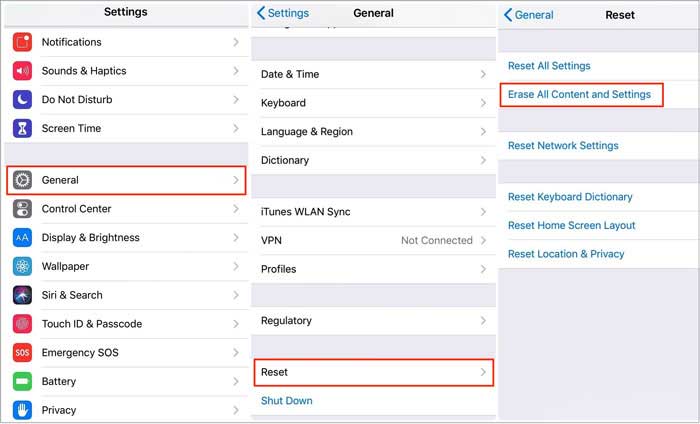
If you have tried all of the above methods but they don't work for your iPhone, you might need to restore your iPhone to factory settings to get it back to normal. Also, please back up your iPhone before the process in case of data loss.
Step 1. Go to "Settings" > "General" > "Reset" > "Erase All Contents and Settings" on your iPhone.
Step 2. Tap the "Erase iPhone" option to confirm your action and start to hard reset your iPhone to factory settings.
When all software solutions fail, the issue may be related to the SIM card, account restrictions, or hardware problems. It's recommended to contact Apple Support or visit an Apple Store/Authorized Service Provider for further diagnostics.
In most cases, the problem of iPhone not sending iMessages/text messages can be resolved by checking network settings, correcting iMessage configuration, or updating iOS. However, when the issue is caused by deeper system corruption, basic fixes may not work.
Compared to a factory reset, iOS System Recovery offers a safer and more efficient solution, allowing you to fix iOS issues without losing data. It's an ideal option for users who want a reliable fix without risking personal information.
Related Articles:
[Solved] How to Fix Message Failed to Send on iPhone in 2026?
Why Are Pictures Not Downloading in iMessage? Uncover Solutions Here!
How to Fix iPhone Text Messages Disappeared Issue in 2026? [11 Fixes]
Top 9 Ways to Fix Messages Didn't Transfer to the New iPhone 17




 Free Download for PC
  Free Download for Mac


