TL;DR:
You may be able to unlock an iPhone with an unresponsive screen without losing data, depending on the cause of the problem. A force restart or a compatible external keyboard may help you regain access, while restoring the device through a computer, erasing it via iCloud, or using iPhone Unlocker may remove the screen passcode at the cost of your stored data. Back up your iPhone whenever possible before attempting a method that erases the device.
"My touch screen has white lines on the right side, and the screen doesn't respond on that side. I have an app with the Genius Bar tomorrow, but since I can't unlock my phone, I also can't back it up! Is there any other way to unlock the phone? Or back it up without unlocking it? Thanks."
- A user posted in Apple Support Communities
An unresponsive iPhone screen can prevent you from entering your passcode, tapping buttons, or accessing your personal data. This problem may occur because of a temporary system freeze, a software glitch, or physical screen damage. If your iPhone is locked and the touchscreen no longer responds, you may wonder whether it is still possible to regain access without replacing the screen.
Fortunately, there are several options to try, depending on whether the problem is software-related or caused by hardware damage. Some methods may restore touchscreen functionality, while others can help you regain access by removing the existing passcode. Below, we will explain how to unlock an iPhone with an unresponsive screen and discuss the limitations and data risks of each method.
Well, it depends on the cause of the problem and the unlocking process. In some cases, you can regain access to your iPhone without losing data. However, certain unlocking procedures may erase all the data stored on your device. To minimize the risk of data loss, it's best to back up your iPhone regularly. If you have an available backup, you may be able to restore your data after regaining access to your device.
Before trying the following methods, determine whether your iPhone is frozen or its touchscreen is physically damaged. If the device still responds to its buttons, start with the simpler troubleshooting options. If you cannot interact with the screen at all, consider an external keyboard or a recovery method.
If your iPhone screen has stopped responding because of a temporary software freeze, a force restart may restore its functionality. This process does not erase your data or remove your passcode. However, it is a useful first step before trying more involved solutions.
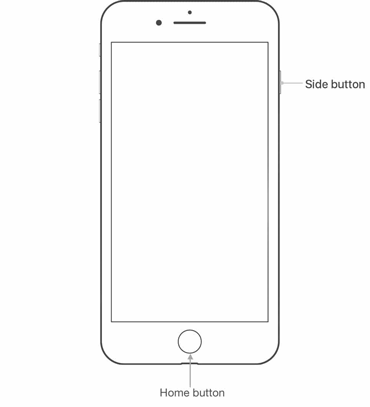
The button combination depends on your iPhone model:
For iPhone 8 or later, including iPhone SE (2nd generation or later):
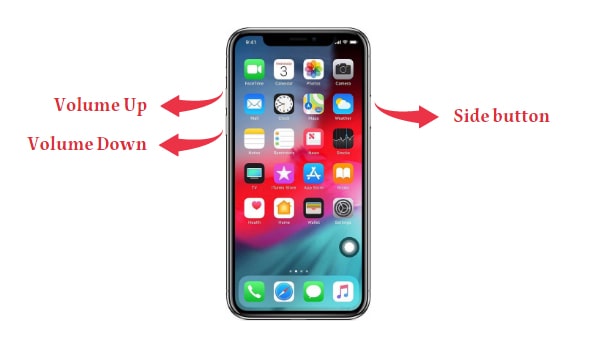
For iPhone 7/7 Plus:
For iPhone 6s or earlier, including iPhone SE (1st generation):
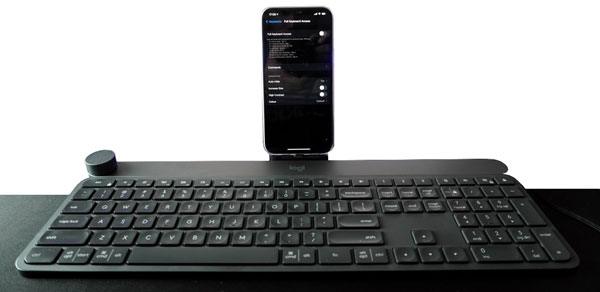
If your iPhone display works but its touchscreen cannot register taps, an external keyboard may provide another way to enter your passcode. This approach is most useful when your device supports the required keyboard connection and input method.
You can try connecting a compatible wired keyboard through the appropriate adapter or using a supported wireless keyboard that has already been paired with your iPhone. However, keyboard support varies by iPhone model, iOS version, connection type, and lock state, so this method is not guaranteed to work on every device.
Here are the general steps:
Step 1. Prepare a compatible external keyboard and the necessary adapter, if applicable.
Step 2. Connect the keyboard to your iPhone, or turn on the previously paired wireless keyboard.
Step 3. Wake your iPhone and check whether the keyboard can interact with the lock screen.
Step 4. If the device accepts keyboard input, enter your passcode and press "Enter" if required.
Step 5. Once unlocked, check whether the touchscreen responds normally.
If your iPhone screen is unresponsive, you can try using Siri to activate accessibility features that may help you interact with the lock screen. However, this method depends on your iPhone model, iOS version, and Siri settings. Siri cannot directly bypass your iPhone passcode, so this approach may not work if your device requires authentication.
Here's what to try:
Step 1. Activate Siri using your configured voice command or by pressing and holding the Side button or Home button, depending on your iPhone model.
Step 2. Say, "Turn on VoiceOver" to ask Siri to enable this accessibility feature, if the request is available while your iPhone is locked.
Step 3. Swipe left or right to move between on-screen items. If the passcode keypad is accessible, double-tap a selected number to activate it.
Step 4. Repeat the process to enter your passcode, if the touchscreen can still register the required gestures.
Step 5. Once you regain access, ask Siri to turn off VoiceOver or disable it in your iPhone's accessibility settings.
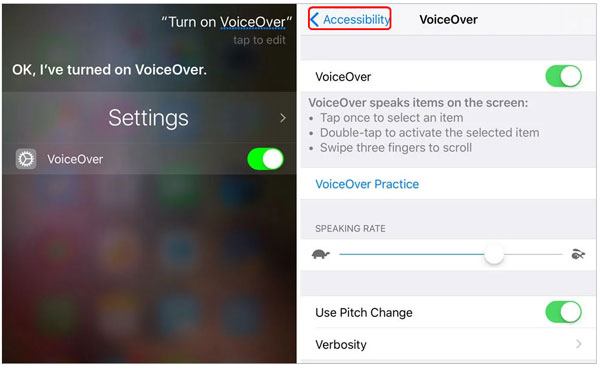
VoiceOver changes how you interact with the screen but does not remove your passcode. These steps may not work on all iPhone models or iOS versions, especially if the touchscreen is completely unresponsive.
You can also restore your iPhone using a computer to remove the existing screen passcode. This process resets your iPhone to its factory settings and erases the data stored on the device, including apps, settings, and personal files. Therefore, make sure you understand the risk of data loss before proceeding. If you have a backup, you may be able to restore your data afterward.
How to unlock an iPhone without a working touchscreen?
Step 1. Connect your iPhone to a computer using a USB cable. Open the latest version of iTunes on a compatible computer, Apple Devices on a supported Windows PC, or Finder on a Mac running macOS Catalina or later.
Step 2. Put your iPhone into Recovery Mode using the appropriate button combination for your model. Keep it connected to the computer.
Step 3. When your iPhone appears in the computer application and the restore option is available, select "Restore" and confirm your choice.
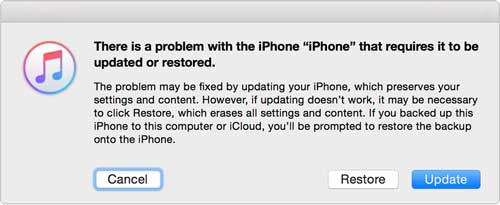
Step 4. Wait for the computer to download the required software and restore your iPhone. If the download takes too long and your device exits Recovery Mode, repeat the steps to enter Recovery Mode after the download finishes.
Step 5. Once the process is complete, set up your iPhone again and restore a backup if one is available.
If Find My was enabled on your iPhone before the screen became unresponsive, you may be able to erase the device remotely through Apple's Find My service. This option lets you reset your iPhone without interacting with its touchscreen. However, erasing the device deletes its stored data, so make sure you understand the consequences before proceeding.
How to unlock an iPhone with an unresponsive screen remotely?
Step 1. Open iCloud.com/find in a browser on another device and sign in with the Apple account associated with your iPhone, if prompted.
Step 2. Select "All Devices" and choose the iPhone you want to erase.
Step 3. Select "Erase iPhone" or the available erase option, depending on the interface.
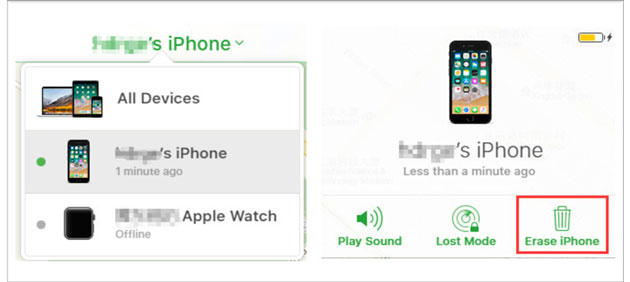
Step 4. Follow the on-screen instructions to confirm the operation. If your iPhone is offline, the erase request may remain pending until the device reconnects to the internet.
Step 5. After the erase process finishes, set up your iPhone again and restore your iPhone data from a backup if one is available.
Note: Keep in mind that erasing your iPhone does not necessarily remove Activation Lock. You may still need the Apple account credentials previously associated with the device to activate it again.
If your iPhone screen is unresponsive and you cannot enter your screen passcode, iPhone Unlocker may help you regain access to your device. It is designed to remove supported iPhone screen locks without requiring you to enter the existing passcode on the lock screen. This can be an option when you cannot unlock your iPhone through normal touch input.
Key features of iPhone Unlocker:
How to unlock iPhone with an unresponsive screen?
01Install and open iPhone Unlocker on your computer. Select "Unlock Screen Passcode" from the available functions, then click "Start to Unlock". Use a USB cable to connect your iPhone to the computer and follow the prompts to continue.
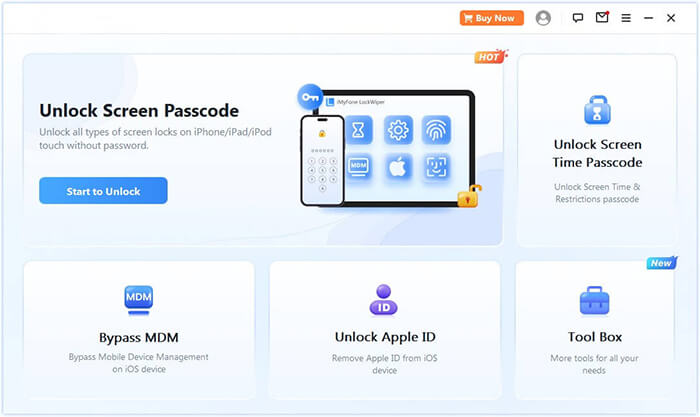
02Follow the program's guidance to enter Recovery Mode or DFU Mode using the physical buttons. Once the software recognizes your device, choose where to save the firmware files and click "Download" to obtain the package needed for the unlocking process.
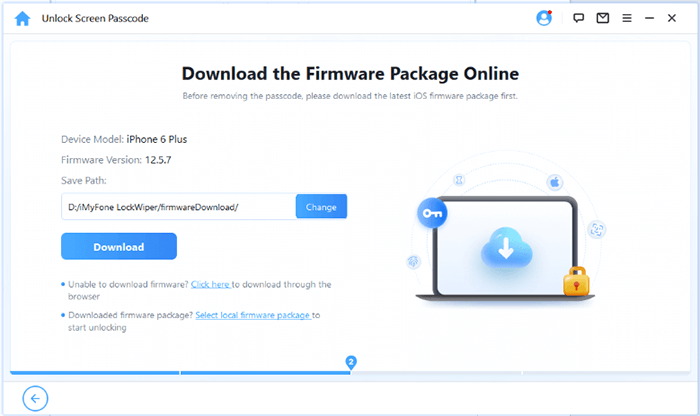
03When the firmware download is complete, click "Unlock" to proceed. Carefully review the warning displayed by the program, type 000000 to authorize the operation, and click "Unlock" once more to begin removing the screen passcode.
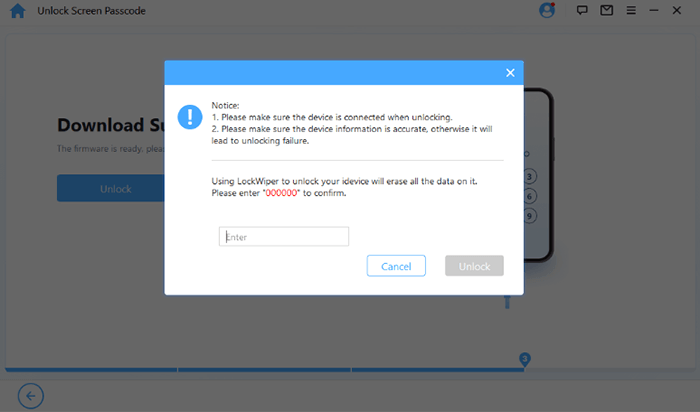
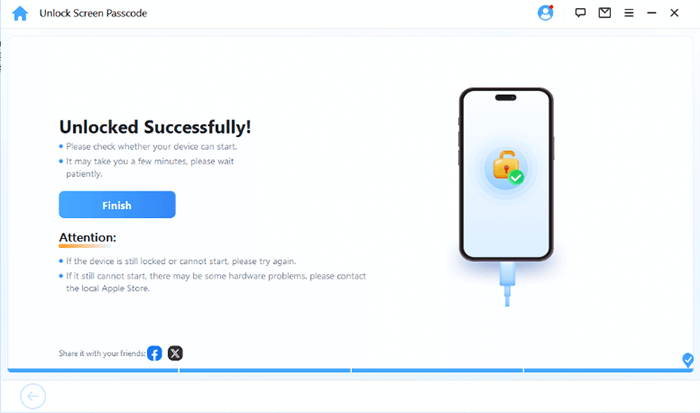
04Keep your iPhone connected to the computer while the software completes the operation. After successful removal, the device will be restored to factory settings, and the previous screen passcode will no longer be in place. Follow the setup instructions on your iPhone and restore your data from a backup if one is available.
By now, you should have a better understanding of how to unlock an iPhone with an unresponsive screen. The right solution depends on your device's condition and whether you can still interact with it. Before trying any method that may erase your iPhone, make sure you understand the potential data loss and check whether you have an available backup.
If you cannot enter your passcode through the normal lock screen, iPhone Unlocker is another option to consider. It provides a guided unlocking process through your computer, so you don't need to operate the iPhone's touchscreen throughout the procedure. However, removing the screen passcode will erase your device's data. If your screen remains unresponsive because of physical damage, professional repair may be necessary.
Related Articles:
iPhone Unavailable Lock Screen? Here're 4 Solutions to Fix It!
How to Unlock iPhone Without Swiping Up? [Comprehensive Guide]




 Free Download for PC
 Free Download for Mac


