There's nothing more frustrating than when you need to transfer photos, videos, or important documents between your Android device and computer, only to find that the USB file transfer fails to work. Whether your computer doesn't recognize your Android at all, or the transfer freezes midway, this issue can disrupt your workflow significantly. The good news is that most USB transfer problems are solvable with targeted troubleshooting.
In this guide, we'll first explore the root causes of why Android USB file transfer isn't working, then walk you through step-by-step fixes to enable USB transfer, and finally introduce a powerful alternative for seamless file transfer.
Before jumping into the fixes, it's important to understand the common reasons behind Android USB file transfer problems:
By diagnosing these potential causes, you can narrow down the problem and find a suitable solution.
If your Android USB file transfer isn't working, follow these targeted fixes in order, they start with simple checks and move to more technical solutions, ensuring you cover all potential issues.
Hardware issues are one of the most common reasons behind USB transfer failures. If you're having trouble transferring files, start by inspecting the USB cable and ports carefully. Here's what you can do:
Inspect and Replace the USB Cable:
Many users unknowingly use cables that are only designed for charging. Make sure you're using the original cable that came with your Android device, as it's specifically certified for data transfer. If you don't have the original, use a reputable USB 3.0/4.0 data cable. If your cable is frayed, bent, or has exposed wires, it's time to replace it with a new one.
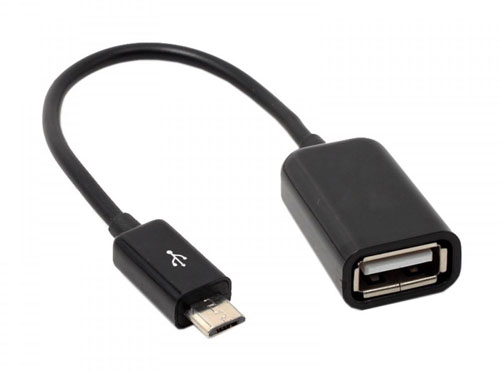
Clean USB Ports:
Dust, lint, or debris in either your Android's USB port (USB-C or Micro-USB) or your computer's USB port can disrupt the connection.
Test Different USB Ports:
If you're using a desktop computer, try using the rear USB ports instead of the front ones. The rear ports usually provide a more stable connection, as they are directly connected to the motherboard and have a stronger power output.
On laptops, test all available USB ports to rule out the possibility of a faulty port.
Replug Firmly:
Sometimes, the issue can be as simple as a loose connection. Unplug the USB cable from both your Android device and computer, and then plug them back in firmly. A proper connection can often resolve the issue.
By following these steps, you can address common hardware-related problems that interfere with Android USB file transfers.
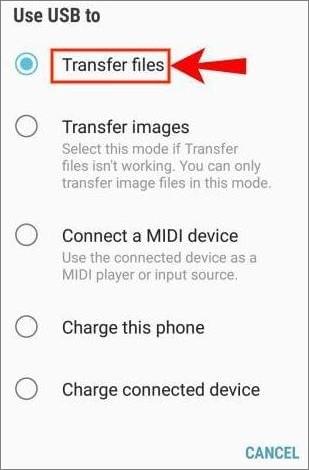
By default, most Android devices are set to Charging Mode when connected to a computer, which only allows for charging and not file transfer. To enable file transfer and allow data exchange, follow these steps:
Step 1. Connect your Android device to the computer using a working USB cable.
Step 2. Swipe down from the top of your Android screen to open the Notification Shade (quick settings panel).
Step 3. Look for a notification labeled "USB Charging", "USB Connected", or "Charging this device via USB", and tap on this notification.
Step 4. A pop-up menu will appear with different USB connection options. Select "Transfer files" (on Android 12 and above) or MTP (Media Transfer Protocol) (on older Android versions). MTP is the most compatible mode, supporting all file types on both Windows and Mac.
If you only need to transfer photos, you can choose "PTP" (Picture Transfer Protocol), which treats your device like a digital camera and is used for transferring images only.
Windows computers rely on USB drivers to communicate with Android devices, and outdated or corrupted drivers often cause issues with device recognition and file transfer. If your Android device is not being recognized or you're facing transfer failures, updating or reinstalling the drivers can help resolve the issue.
Steps to Fix USB Drivers:
Progress 1. Check for Driver Errors
Step 1. Press "Win" + "X" on your keyboard and select "Device Manager" from the menu.
Step 2. In Device Manager, look for sections like "Portable Devices", "Android Device", "Other Devices", or the brand name of your Android (e.g., "Samsung Devices").
Step 3. If you see a yellow exclamation mark next to your device's name, this indicates the driver is faulty, outdated, or missing.
Progress 2. Update or Reinstall the Driver
Step 1. Right-click on the problematic device in Device Manager.
Step 2. Select "Update driver" > "Search automatically for updated driver software". Windows will scan for the latest driver online and install it automatically. Wait for the process to complete, then restart your computer if prompted.
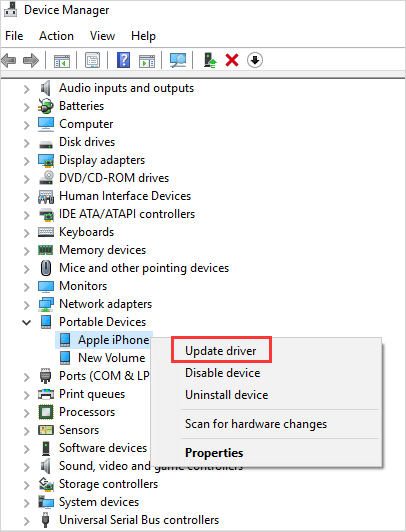
Step 3. If the automatic update fails, select "Uninstall device" from the right-click menu. If there's an option to "Delete the driver software for this device", check it to ensure a clean reinstall. Click "OK" to confirm, then restart your computer. Windows will reinstall the default USB drivers on startup.
For brand-specific devices (e.g., Samsung, Huawei), download the official USB drivers from the manufacturer's website. For example, Samsung users can download Samsung Smart Switch (which includes drivers). After downloading and installing the software, reconnect your device.
Temporary software glitches on your Android device or computer can disrupt USB communication. Restarting resets these glitches and restores normal connectivity:
Restart Android: Hold down the "power" button on your Android device until the power menu appears. Tap "Restart" (if available) or "Power off", wait 30 seconds, then hold the power button again to turn it on.
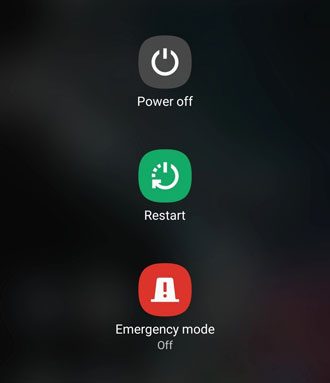
Restart your computer: For Windows users, click the "Start" menu > "Power" > "Restart". For Mac users, click the "Apple" menu in the top-left corner > "Restart". Wait for the computer to fully boot up, then reconnect your Android device.
USB Debugging is a developer feature that facilitates deeper communication between Android and computers. Sometimes, disabling and re-enabling it can resolve corrupted connection configurations that block file transfer. Here's how:
Step 1. First, enable Developer Options on your Android device: Go to "Settings" > "About Phone" (or "About Device").
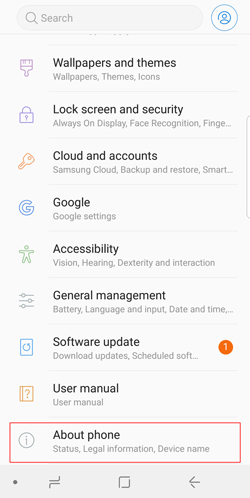
Step 2. Find the "Build Number" (or "Software Version") entry and tap it 7 times consecutively. You'll see a pop-up message saying "You are now a developer!" (or similar), indicating Developer Options are enabled.
Step 3. Go back to the main "Settings" menu, you'll now see "Developer Options" (on some devices, it's under "System" > "Advanced").
Step 4. Tap "Developer Options", then find "USB Debugging" and toggle it off. Wait 10 seconds, then toggle it on again.
Step 5. When prompted on your Android screen "Allow USB debugging?" select "Allow" (check "Always allow from this computer" if you want to avoid this prompt in the future).
Step 6. Reconnect your Android device to the computer via USB, file transfer should now work.
If you've tried all the previous fixes and are still facing persistent USB transfer issues (e.g., hardware damage, incompatible drivers), or if you're simply looking for a more flexible and efficient file transfer solution, Coolmuster Android Assistant is an excellent alternative. It overcomes the limitations of native USB transfer and provides a smoother, more versatile experience, with the added benefit of supporting both USB and Wi-Fi connections.
Key Features of Coolmuster Android Assistant:
How to Use Coolmuster Android Assistant (Wi-Fi Mode Example):
01Download and Install: First, download and install Coolmuster Android Assistant on your computer.
02Launch the program and connect your Android phone to your PC via Wi-Fi. To do this, install Coolmust Android Assistant (Android version) on your Android device, then scan the QR code displayed on your computer screen to establish a wireless connection.
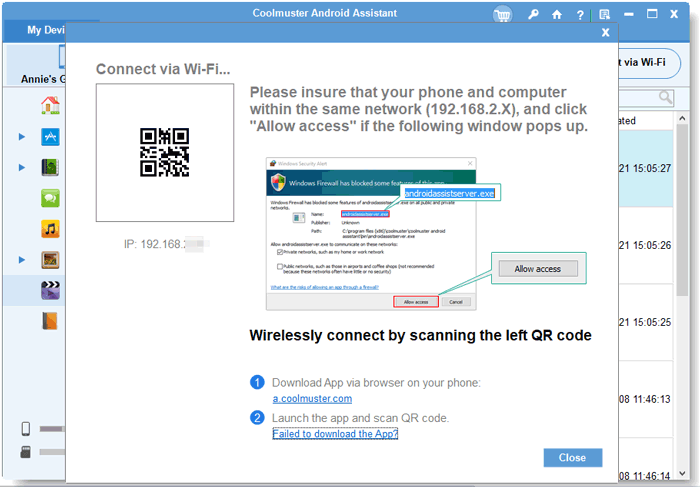
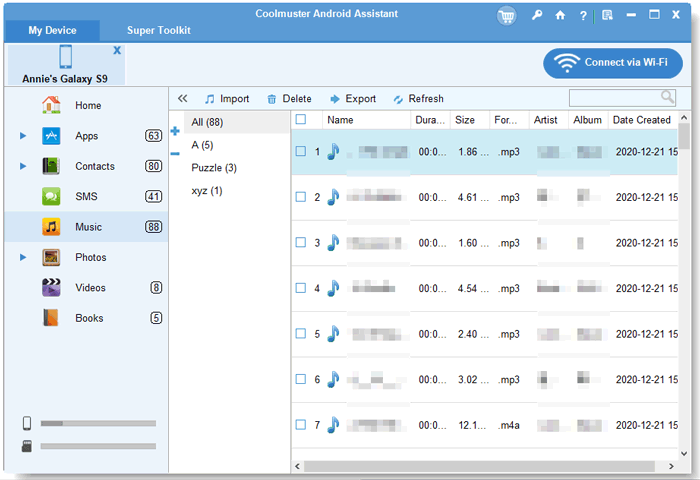
03Once connected, you can select the file types you want to transfer from the left sidebar. Choose the specific files you want to move and click "Export" (to transfer from Android to the computer) or "Import" (to transfer from the computer to Android).
For a more detailed walkthrough, including visual steps, check out our video tutorial below to guide you through the process.
USB file transfer issues on Android devices can be frustrating, but with the right troubleshooting steps, most problems can be resolved quickly. Whether you're dealing with faulty cables, outdated drivers, or incorrect settings, the solutions we've outlined can help restore smooth file transfers between your Android device and computer.
However, if traditional USB transfer methods continue to pose challenges, Coolmuster Android Assistant offers a fantastic alternative. With both USB and Wi-Fi options, along with powerful file management features, it simplifies the process and ensures a more versatile experience.
By following these tips and using the right tools, you'll be able to transfer files seamlessly, keep your data organized, and make the most of your Android device.
Related Articles:
Huawei USB File Transfer Not Working: How to Fix It with 6 Workable Ways
How to Transfer Files from Android to USB Flash Drive with/Without OTG
Top 4 Ways to Transfer Files from Android to PC Using USB Cable
Top 6 Ways to Transfer Files from Mac to Android Effortlessly





 Free Download for PC
  Free Download for Mac


