The UDID (Unique Device Identifier) is a unique alphanumeric code that identifies your iPhone or iPad. It's crucial for developers, beta testers, and device administrators to know how to find the UDID as it's used for tasks like registering devices for app testing, managing devices in Mobile Device Management (MDM) systems, and verifying device authenticity.
In this guide, we'll explore various methods to help you quickly and easily find your iPhone's UDID, ranging from using iTunes to employing third-party online tools.
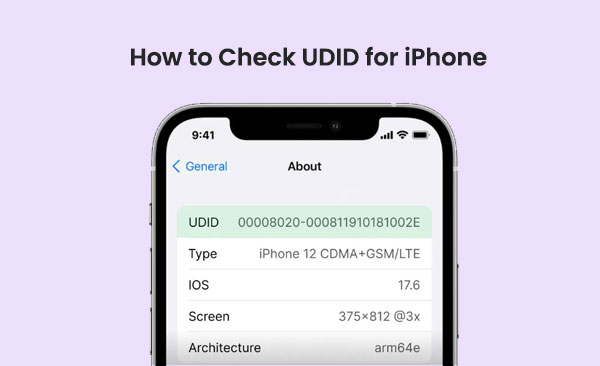
The UDID (Unique Device Identifier) is a unique string of alphanumeric characters assigned to each iPhone, iPad, or iPod Touch. This identifier is tied to the hardware of the device and acts as a fingerprint, distinguishing your device from others. Every iOS device has its own UDID, making it a crucial tool for specific tasks such as app development, testing, and device management.
While UDID used to be an essential part of the process for installing apps outside the App Store (like beta versions), Apple has since shifted to using other identifiers for most users, but it remains important in certain contexts.
Here are some of the main reasons you might need to locate your iPhone's UDID:
In summary, your UDID is essential for testing apps, managing devices, troubleshooting issues, and verifying device authenticity.
You may also want to know: Top 5 MDM Removal Tools to Bypass MDM Lock in 2026
Finding your iPhone's UDID using iTunes is one of the easiest and most reliable methods. This method works perfectly on macOS Mojave and earlier and Windows, offering a reliable way to find your UDID without the need for any third-party tools. Here's how you can do it:
Step 1: Make sure you have the latest version of iTunes installed. Open the iTunes application on your computer.
Step 2: Use a USB cable to connect your iPhone to your computer. Wait for iTunes to recognize your device.
Step 3: Once your iPhone is detected, click on the device icon at the top-left of the iTunes window. This will open the device summary page.
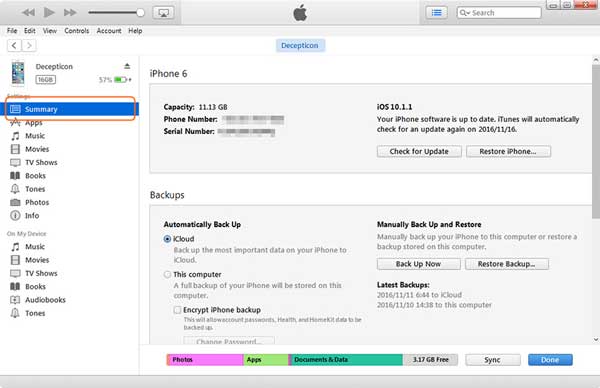
Step 4: On the "Summary" tab, you'll see the device information. The "Serial Number" will be displayed by default.
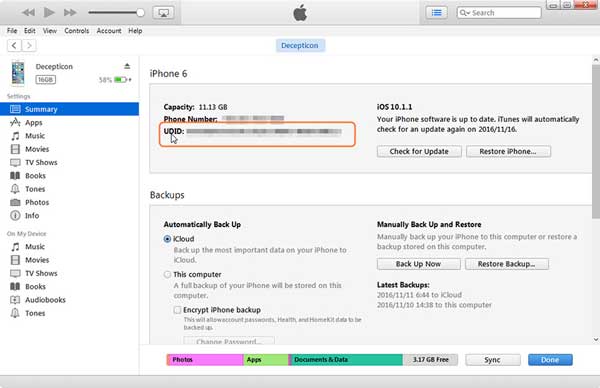
Step 5: Now that you've copied the UDID, you can paste it wherever you need it, such as for beta testing, device management, or troubleshooting.
This method is fast and works on both Windows and Mac computers, making it a universal solution to find your iPhone's UDID.
Read Also: How to Bypass iPhone Passcode without Losing Data [Newest]
If you're using macOS Catalina or later, iTunes has been replaced with Finder for device management. Finding your iPhone's UDID using Finder is just as easy as using iTunes. Here's how to do it:
Step 1: Use a USB cable to connect your iPhone to your Mac. Open Finder, which is the default file management app on newer macOS versions.
Step 2: In the Finder sidebar, locate your iPhone under the Locations section and click on it. If prompted, unlock your iPhone and tap "Trust" to allow your Mac to access the device.
Step 3: Once your iPhone is selected in Finder, you'll be taken to the General tab, which shows the summary of your device's information, including storage and backup settings.
Step 4: Locate the UDID
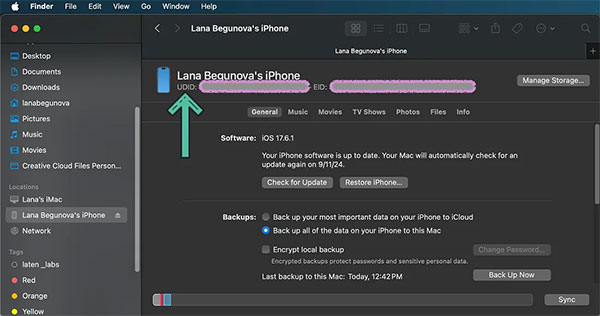
Step 5: Once you have the UDID copied, you can paste it wherever needed for tasks such as app testing, device management, or troubleshooting.
You May Also Want to Know: How to Fix Move to iOS Code Not Showing Up? [100% Works]
If you're a developer or have Xcode installed on your Mac, you can easily find your iPhone's UDID through this tool. Xcode is primarily used for app development, but it also provides a simple way to retrieve your device's UDID. Here's how to get your UDID using Xcode:
Step 1: If you don't already have Xcode installed, download it for free from the Mac App Store. Open Xcode once it's installed.
Step 2: Use a USB cable to connect your iPhone to your Mac. Make sure your device is unlocked and that you trust the computer if prompted on your iPhone.
Step 3: Open Xcode and Access Devices and Simulators
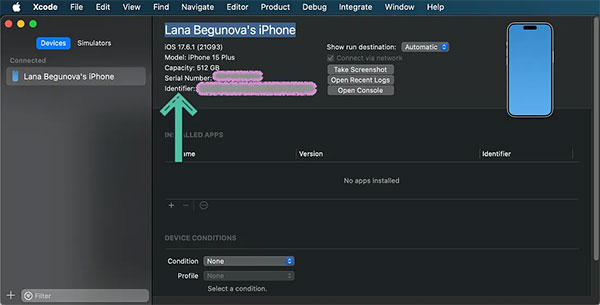
Step 4: In the Devices window, you'll see your iPhone listed. Select your iPhone from the left sidebar to view detailed information about the device.
Step 5: Find the UDID
Step 6: Once the UDID is copied, you can use it for app testing, device management, or other development-related purposes.
Learn More: Full Guide on Master Code to Unlock Any Phone [New for 2026]
If you don't have access to iTunes, Finder, or Xcode, you can easily retrieve your iPhone's UDID using a web-based tool like get.udid.io. This method works directly from your iPhone's browser, making it a convenient option if you're on the go. Here's how to check your UDID using get.udid.io:
Step 1: Launch Safari (or any other browser) on your iPhone and navigate to get.udid.io.
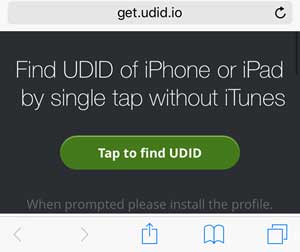
Step 2: Once on the website, you'll see an option to install a configuration profile. This profile allows the website to retrieve your UDID.
Step 3: Trust the Profile
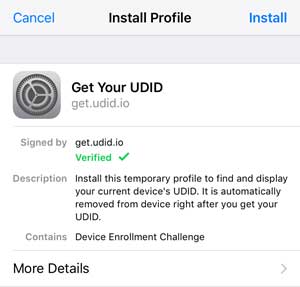
Step 4: Retrieve Your UDID

Step 5: If you no longer need the profile, you can delete it for security reasons:
Finding your iPhone's UDID is crucial for app testing, device management, and troubleshooting. Whether you use iTunes, Finder, Xcode, or an online tool like get.udid.io, each method offers a reliable way to retrieve your UDID. iTunes and Finder are great for users on computers, while Xcode is ideal for developers. The get.udid.io website is an easy option for retrieving your UDID directly from your iPhone. Choose the method that suits your needs, and remember to remove any unnecessary profiles for security. With these simple steps, you'll have your UDID in no time.
Related Articles:
How to Factory Reset iPhone without Passcode in 4 Ways
[Step-by-Step] How to Delete iCloud Account Without Password?