Safari is one of the most popular browsers on iPhone, iPad, and Mac, but sometimes it may fail to load websites properly. You might encounter blank pages, slow loading, or error messages like "Cannot Open Page." This issue can be caused by a variety of factors, including unstable internet connections, outdated cache, misconfigured network settings, or software bugs. Whether you're using Safari on iOS or macOS, there are practical solutions to get it back to normal.
In this guide, we'll explore the common reasons behind Safari not loading websites and show you step-by-step fixes for both iPhone, iPad, and Mac.
Safari may sometimes fail to load websites properly, showing blank pages, slow loading, or error messages. Understanding the main causes can help you fix the problem quickly:
Restarting your device is one of the simplest and most effective ways to fix Safari not loading websites. It helps clear temporary glitches, refresh system processes, and resolve minor network issues.
Steps to restart your iPhone/iPad:

After restarting, try loading the website to see if the issue is resolved. If Safari still won't load pages, move on to the next fix.
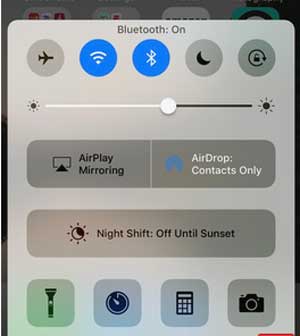
A poor or unstable internet connection is one of the most common reasons why Safari won't load websites. Before trying more advanced fixes, make sure your network is working properly.
What you can do:
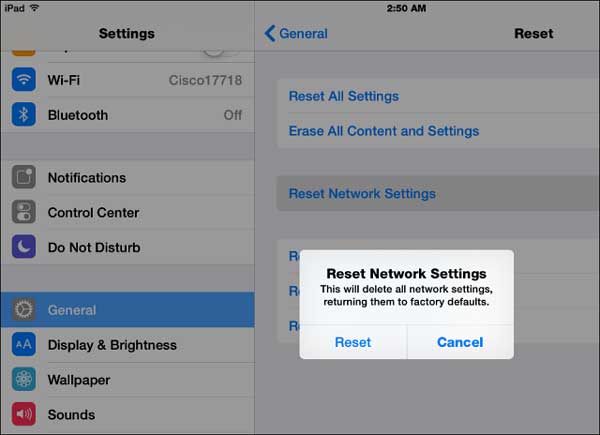
If Safari still isn't loading websites, resetting network settings can help fix deeper connection issues, such as incorrect DNS, Wi-Fi errors, or failed configurations.
Note: This will erase saved Wi-Fi passwords, VPN settings, and network preferences, so you'll need to reconnect afterward.
Steps to reset network settings:
Clearing Safari's cache, history, and website data can fix many loading issues caused by corrupted or outdated files. This is one of the most effective ways to restore normal browsing.
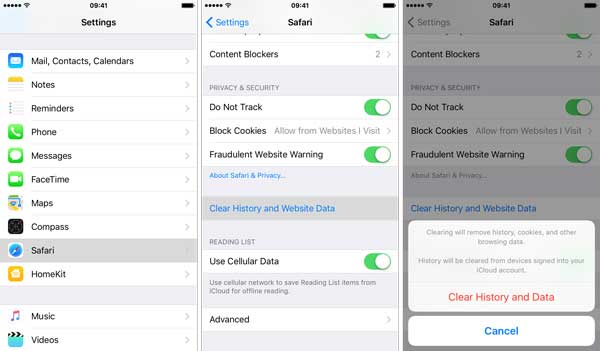
This will delete browsing history, cookies, and cached files, but it won't remove your bookmarks. (Unable to Clear History After iOS 26 Update?)
Content blockers, such as ad blockers or privacy extensions, can sometimes prevent certain websites from loading properly in Safari. Disabling them temporarily can help identify if they are causing the issue.
Steps to disable content blockers:
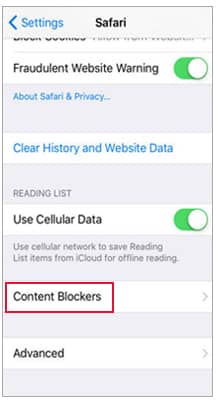
You can also disable blockers for a specific website directly in Safari by tapping the "AA" icon in the address bar and turning off content blocking.
After that, reload the webpage to see if it loads correctly. If it works, the blocker may be the cause, and you can adjust its settings instead of keeping it completely disabled.
Safari includes experimental features that are still in testing. While useful for developers, some of these features may cause websites to load incorrectly or not load at all. Disabling them can help improve stability.
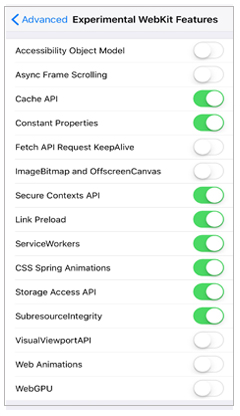
After making changes, restart Safari and try opening the website again. If the issue was caused by a specific feature, Safari should now load pages normally. (How to View Safari History on iPhone?)
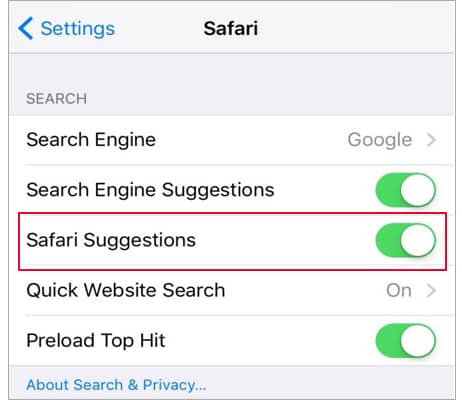
Sometimes the Safari suggestions running in the background may slow down your device, you can disable the Safari suggestions to see if it can fix the Safari not working problem.
Outdated iOS versions or Safari may contain bugs that prevent websites from loading properly. Keeping your device up to date ensures better performance, security, and compatibility with modern websites.
Safari is updated automatically along with iOS, so you don't need to update it separately. (iPhone Slow After iOS 26 Update?)
If Safari still won't load websites after trying all basic fixes, the problem may be caused by deeper iOS system errors. In this case, using a professional iOS system recovery tool can help repair system glitches without data loss and restore your device to normal. iOS System Recovery is such kind of tool that can fix various iOS system errors easily and safely without data loss.
Key Features of iOS System Recovery:
Steps to fix iOS issues using iOS System Recovery
01 Download and install the program on your computer. Launch it and choose "iOS System Recovery."
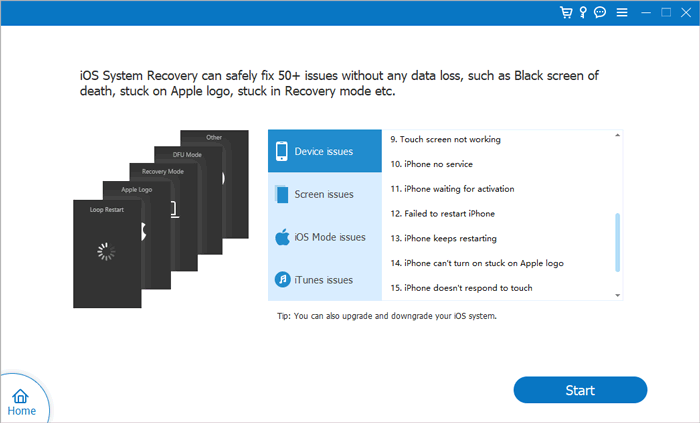
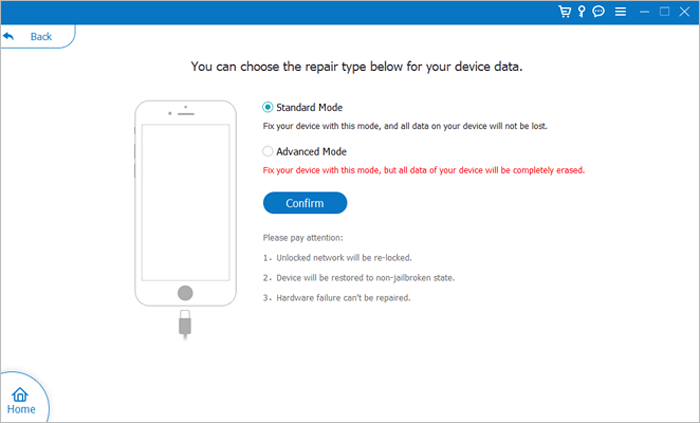
02 Connect your iPhone/iPad via USB. Select "Standard Mode" and click "Confirm" to download the firmware.
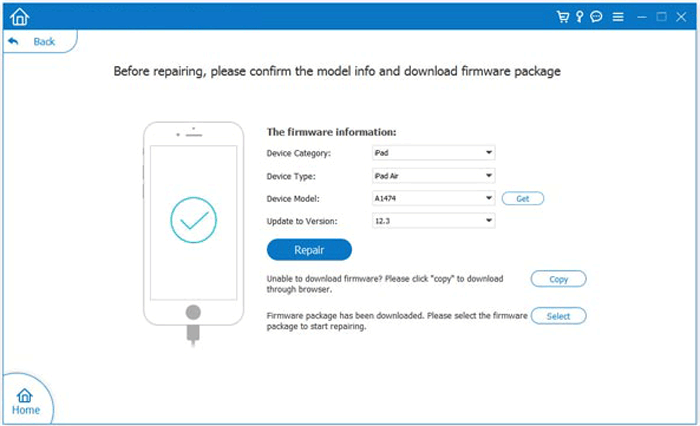
03 After downloading, click "Repair" to start fixing. Your device will restart automatically.
If Safari becomes unresponsive or fails to load websites, force quitting and reopening it can quickly resolve temporary glitches. This helps refresh the browser and clear minor errors.
After relaunching, try loading the website again to see if the issue is fixed.
Clearing cache, cookies, and browsing history on Mac can help fix Safari loading issues caused by corrupted or outdated data. This step is simple but often very effective.
Steps to clear Safari data on Mac:
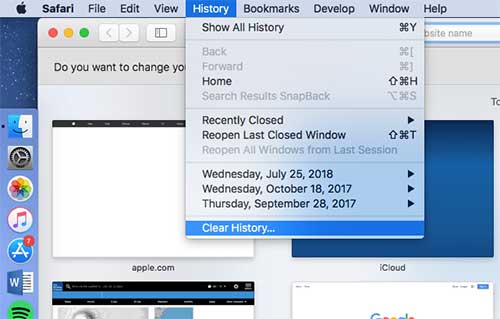
After clearing the data, restart Safari and try loading the website again.
Did you mistakenly delete Safari history? Read this article and check out these simple 5 ways to recover deleted history Safari on iPhone.
5 Handy Solutions to Recover Deleted History Safari on iPhone
Sometimes Safari extensions or plugins can interfere with website loading. Disabling them temporarily can help identify if they are causing the problem.
Steps to disable extensions on Mac:
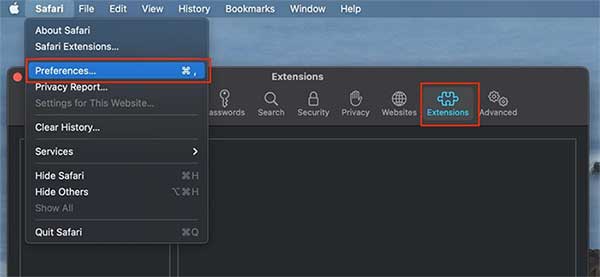
If the website loads successfully, one of the extensions was likely the cause. You can re-enable them one by one to find the culprit.
Flushing the DNS cache on your Mac can resolve issues where Safari cannot find or load websites due to outdated or corrupted DNS records.
After flushing the DNS cache, try loading the website again. This often fixes errors like pages not loading or "Safari can't connect to the server."
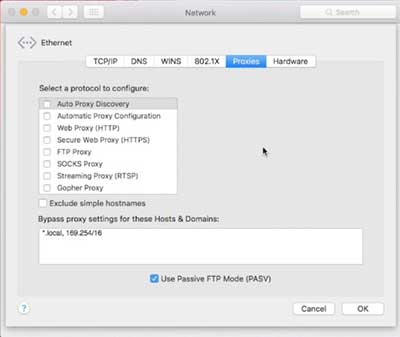
Incorrect network or proxy settings can prevent Safari from loading websites on Mac. Verifying these settings ensures your connection is properly configured.
Steps to check network and proxy settings:
Running an outdated version of macOS or Safari can cause compatibility issues with websites. Updating ensures you have the latest bug fixes, security patches, and web standards support.
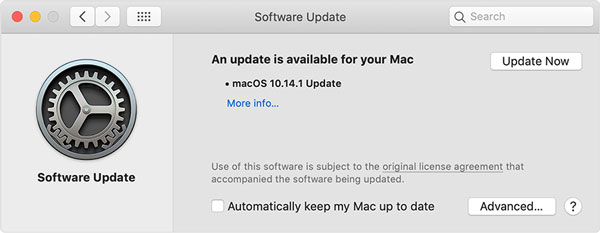
After updating, open Safari and try loading the website again. Most issues caused by system bugs or outdated browser versions should now be resolved.
Safari not loading websites can be frustrating, but most issues are fixable with simple troubleshooting. From restarting your iPhone, checking network connections, clearing cache, to updating iOS or macOS, these steps cover both iPhone, iPad, and Mac. If the problem persists, advanced solutions like iOS System Recovery or checking network settings on Mac can help. By following these methods, you can get Safari back to smooth and reliable browsing.
Related Articles:
4 Ways to Export Bookmarks from Safari in iPhone/iPad
[Solved] How to Restore Safari Tabs on iPhone from iCloud




 Free Download for PC
  Free Download for Mac


