"Since the upgrade, the AssistiveTouch button does not move out of the way of the keyboard when the keyboard is displayed. This means you manually have to move it out of the keys when typing or press it by mistake, as it is in between the keys. Shouldn't it automatically move out of the way of the keyboard when the keyboard pops up?"
- from Apple Community
When using an iPhone or iPad, many users enable AssistiveTouch to replace physical buttons. However, you may sometimes encounter a very frustrating issue: AssistiveTouch not moving. This problem not only affects the user experience but may also block content on the screen. Don't worry; this article will walk you through the possible causes and provide several effective solutions to help you quickly restore normal use.
Before delving into the fixes, it's essential to understand the potential causes behind the iOS 26 AssistiveTouch not moving. Here are some possible explanations:
Now that you are aware of the potential reasons for iPhone 17 Assistive Touch not moving, how can you resolve this issue? This section provides several solutions that you can try.
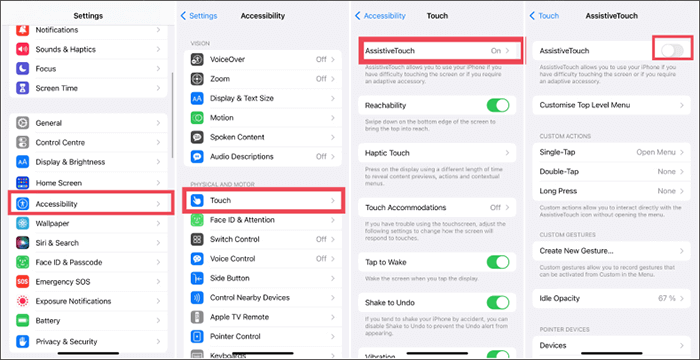
In most cases, Assistive Touch not moving on iPhone may be due to a glitch in its own features. Therefore, before attempting other actions, consider toggling Assistive Touch off and on to resolve the issue. Here's how to do it:
Step 1. Open your device's "Settings" app.
Step 2. Navigate to "Accessibility" and select "Touch".
Step 3. Locate "AssistiveTouch" and toggle the switch to turn it off.
Step 4. Wait a few seconds, then toggle the switch back on to enable AssistiveTouch again.
Step 5. Check if the Assistive Touch feature is now responsive and moving as expected.
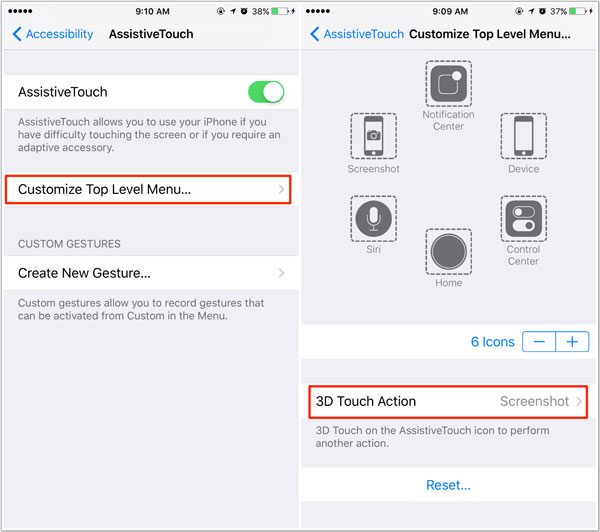
If toggling Assistive Touch off and on does not resolve the issue of the iOS 26 Assistive Touch not working, it's conceivable that the feature's settings may have been inadvertently altered. In such a scenario, resetting the AssistiveTouch option can restore its functionality. Here's a step-by-step guide on how to do that:
Step 1. Open the "Settings" app on your device.
Step 2. Navigate to "Accessibility" > "Touch" > "AssistiveTouch" > "Customize Top Level Menu".
Step 3. Next, tap the "Reset" button located at the bottom of the screen.
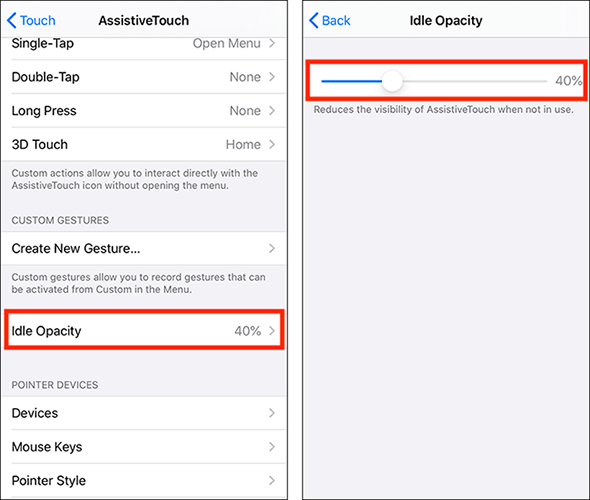
Sometimes, AssistiveTouch is actually movable, but the transparency is set too low, making it appear "stuck". To fix this issue, simply adjust the transparency settings.
Here is how to do it:
Step 1. Open the "Settings" app and navigate to "Accessibility" > "Touch" > "AssistiveTouch" > "Idle Opacity".
Step 2. Adjust the brightness slider until the AssistiveTouch button becomes clearly visible.
Step 3. For those with normal vision, it's recommended to set opacity levels above 40%.
Step 4. Once you've made the adjustments, you should observe that Assistive Touch is now functioning properly.
When the system experiences lag or background process conflicts, AssistiveTouch may not respond properly to dragging actions. Restarting the device can clear the memory and restore the system's state, making it a very effective general fix. To restart the iPhone, follow the steps below:
Step 1. Press and hold the "Power" button until the "slide to power off" slider appears on the screen.
Step 2. Drag the slider to turn off your iPhone.
Step 3. After the device powers down completely, press and hold the "Power" button again until you see the Apple logo.
Step 4. Release the button, and your iPhone will restart.
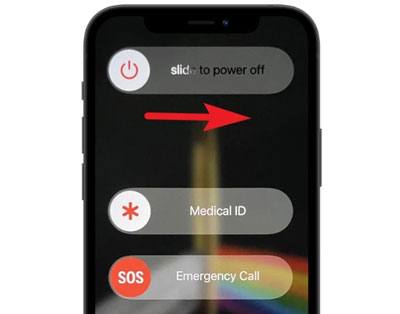
If the previous solutions do not resolve the issue, you may consider resetting all settings on your device. This step can address potential system configurations affecting AssistiveTouch. Here's how to reset all settings:
Step 1. Open the "Settings" app on your iOS device.
Step 2. Go to "General".
Step 3. Scroll down and select "Reset".
Step 4. Choose "Reset All Settings".
Step 5. Enter your device passcode if prompted.
Step 6. Confirm the action by selecting "Reset All Settings".
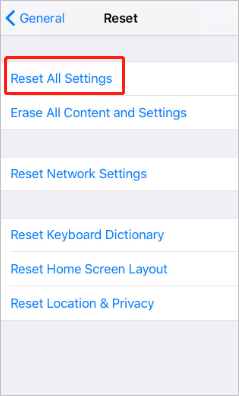
This process will reset system settings, but it won't delete your data. After the reset, reconfigure your preferences and check if Assistive Touch is now functioning as expected.
In some cases, iPhone AssistiveTouch not moving may be due to an iOS system bug. Apple usually fixes these issues in new versions, so ensure your iPhone is running the latest iOS version by following these steps:
Step 1. Launch the "Settings" app on your iPhone.
Step 2. Within Settings, choose "General".
Step 3. Navigate to the "Software Update" option. (iPhone software update failed?)
Step 4. If an update is available for your device, tap on "Download and Install" to initiate the installation.
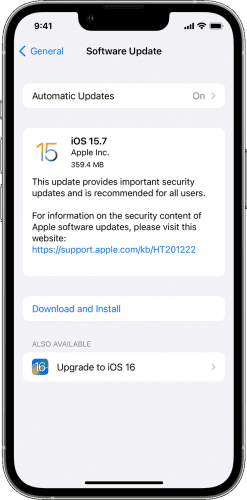
If the previous methods don't resolve the issue, it's likely that a deeper system-level error has occurred. In this case, regular settings adjustments will be ineffective. It's recommended to use a professional tool for repair, such as iOS System Recovery. This tool can fix various iOS system issues, including AssistiveTouch not working, unresponsive screens, and more. Additionally, it won't cause data loss in standard mode, making it ideal for regular users.
The core features of iOS System Recovery:
Here is how to use iOS System Recovery to fix iPhone AssistiveTouch not moving:
01Download and install the software on your computer. Then, launch the program and choose the "iOS System Recovery" option.
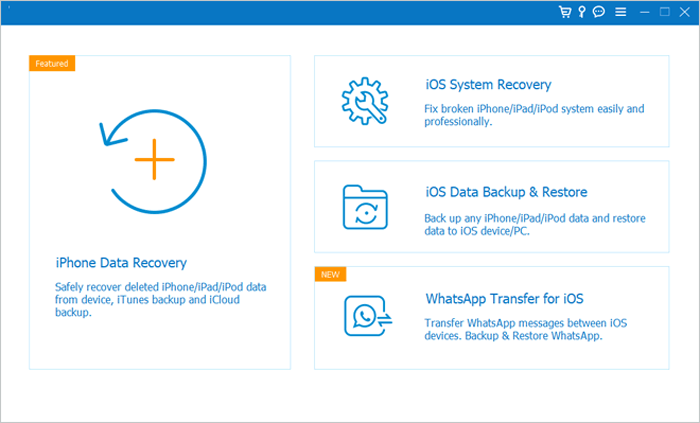
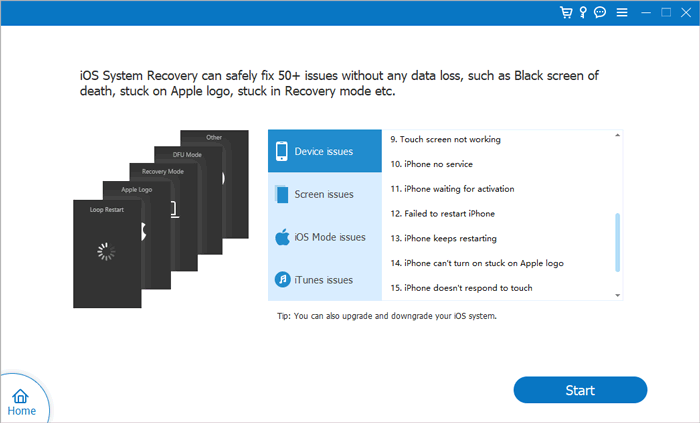
02A pop-up window will emerge, presenting different problems that the software can resolve. Proceed by selecting the "Start" tab to proceed.
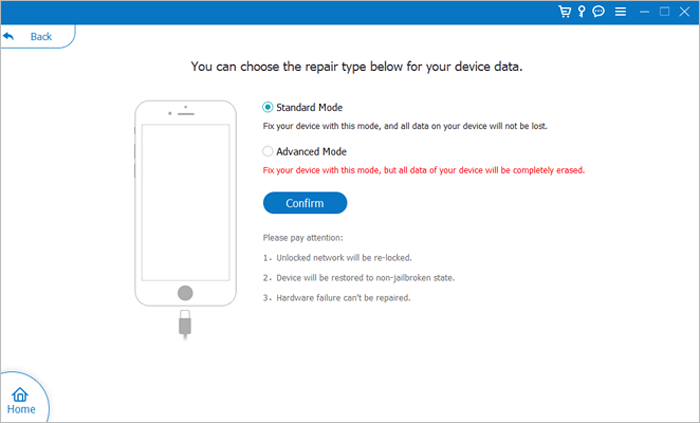
03Select the mode of your preference. Choose "Standard Mode" to keep your files; note that opting for "Advanced Mode" will result in the deletion of all your data. Once you have made your decision, click on "Confirm" to proceed.
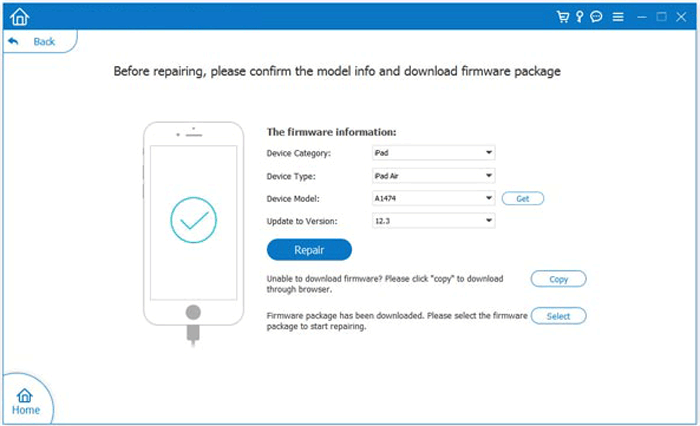
04 Pause to thoroughly examine and confirm the details of your iPhone as instructed. Once you've verified their accuracy, click the "Repair" button to commence the repair process.
If the issue persists after trying all the methods, it is likely that the touchscreen or internal hardware has malfunctioned. In this case, software-based fixes will no longer be effective.
It is recommended to contact Apple Support or visit an authorized Apple service center for diagnostics and professional assistance.
When you encounter the issue of AssistiveTouch not moving, there's no need to worry too much. In most cases, it can be resolved with simple steps. It's recommended to follow the troubleshooting sequence outlined above. If it's a deep system issue, iOS System Recovery is undoubtedly a more efficient and safe choice; for hardware-related problems, you should contact official support in a timely manner.
I hope this detailed guide helps you quickly restore your iPhone's normal user experience!
Related Articles:
How to Fix Touch ID Not Working on iPhone/iPad in No Time? (Incredibly Simple)
Guided Access Not Working? [Troubleshooting Guide & How to Fix]
iPhone Typing on Its Own? Fix It with 8 Efficient Solutions
How to Fix iPhone Stuck on Update Requested? (iOS 26 Supported)




 Free Download for PC
  Free Download for Mac


