Has your iPhone become bricked after updating to iOS 26? If so, you're not alone. While iOS updates are meant to improve the user experience, sometimes, they can cause unforeseen issues, leading to your iPhone being stuck or unable to boot. In this guide, we'll walk you through why this happens and, more importantly, how to fix iPhone bricked after update. Let's get started.
What does it mean to brick an iPhone? An "iPhone bricked" refers to a situation where your iPhone becomes unresponsive and unusable, particularly after updating to the latest iOS version, such as iOS 26, or any other update.
There are several reasons why your iPhone may become bricked. One common cause is an incomplete or improper installation of the iOS update. This often occurs when the update process is interrupted or if the update doesn't fully install. As a result, your iPhone might freeze or become stuck, leaving you unable to use it or even complete the upgrade to the new iOS version.
What to do if an iPhone is bricked? After we dive into why your iPhone became bricked after updating to iOS 26, this article will provide you with effective solutions. You can easily resolve these issues by following the methods outlined below.
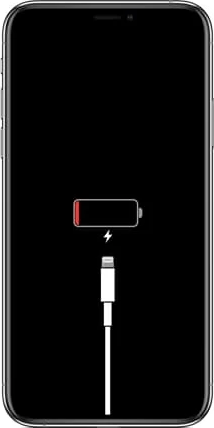
If your iPhone's battery is too low or drains during the update process, it may prevent the device from starting up properly. First, make sure your iPhone is connected to a charger and charge it for at least 30 minutes to see if it can return to normal startup.
If your iPhone isn't charging, check the cables and charger to ensure they're working properly. Try using a different cable and charger, but make sure the cable is compatible with Apple devices.
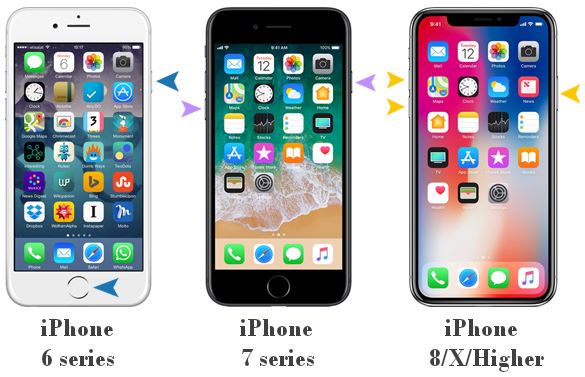
If charging doesn't work, the next step is to force restart your iPhone. A force restart can fix many system glitches, including the ones that cause a bricked iPhone. Here's how to force restart based on your iPhone model:
If your iPhone remains bricked after a force restart, the next option is to use Recovery Mode. This allows you to restore your iPhone using iTunes (or Finder for macOS Catalina and later). Follow these steps:
Step 1. Connect your iPhone to a computer and open iTunes (or Finder if you're using macOS Catalina or later).
Step 2. Put your iPhone in Recovery Mode (follow the force restart steps, but don't release the buttons until you see the "Connect to iTunes" screen).
Step 3. iTunes will prompt you with an option to either "Restore" or "Update" your iPhone. Click on "Restore" to erase the system and reinstall iOS 26.
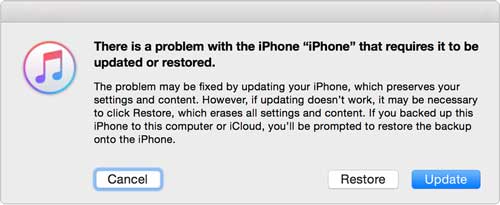
Note: Restoring in Recovery Mode will erase all data on your iPhone. Make sure to have a backup before proceeding.
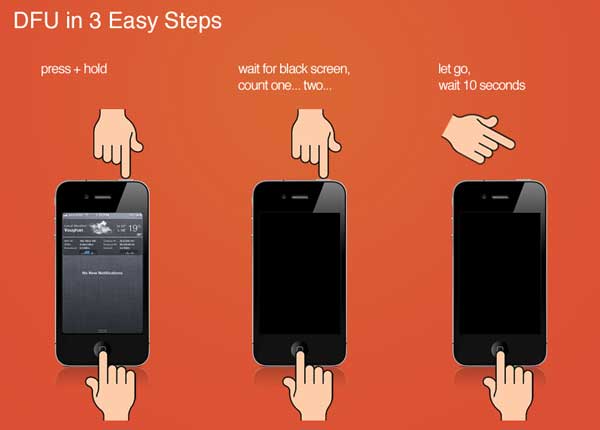
If recovery mode doesn't work, you can try using DFU (Device Firmware Update) mode. This is the deepest recovery mode and can fix more complex bricking issues.
Here is how to fix iPhone bricked after update in DFU mode:
Step 1. Connect your iPhone to the computer and open iTunes (or Finder).
Step 2. Enter the iPhone into DFU mode:
Step 3. Once in DFU mode, you can restore your iPhone through iTunes or Finder, which usually helps fix deeper system issues.
If the above methods don't solve the problem, you can try using third-party repair tools, such as iOS System Recovery. This software can fix a variety of iOS system issues, including iPhone bricking, without losing data. It supports both Windows and Mac systems and is easy to use. With it, you can quickly repair your device's system issues and restore normal functionality.
Main features of iOS System Recovery:
Here is how to fix iPhone bricked after update using iOS System Recovery:
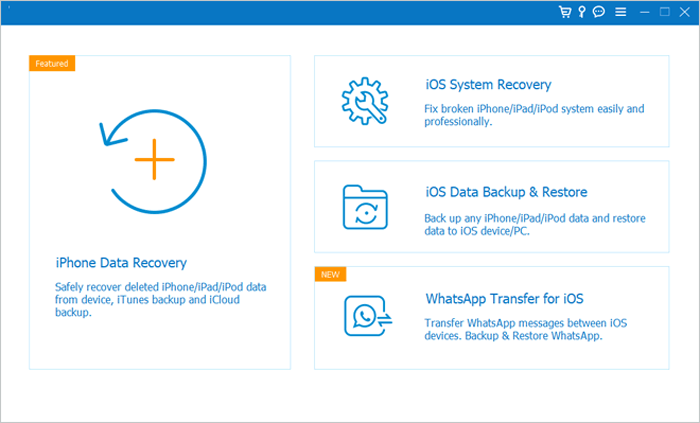
01Run the program on your computer and link your iPhone to the PC via a USB cable. Then the program will detect the connected iPhone. Just click "More Tools" > "iOS System Recovery" on the interface.
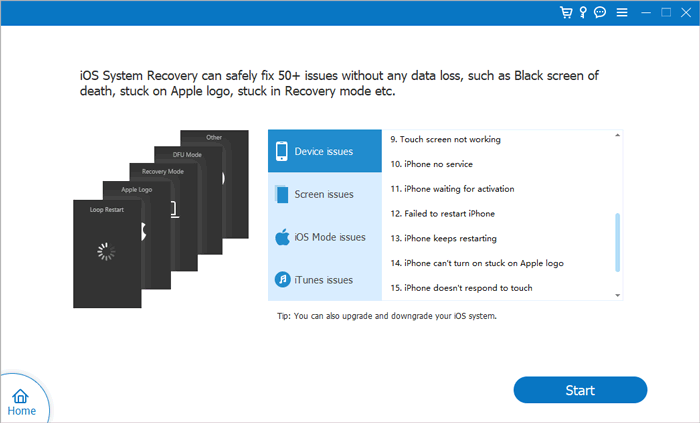
02The software will automatically detect and show the problem of the iPhone, saying that the iPhone gets bricked, stuck on the Apple logo, recovery mode, error 27 and etc. Just click "Start" to keep going.
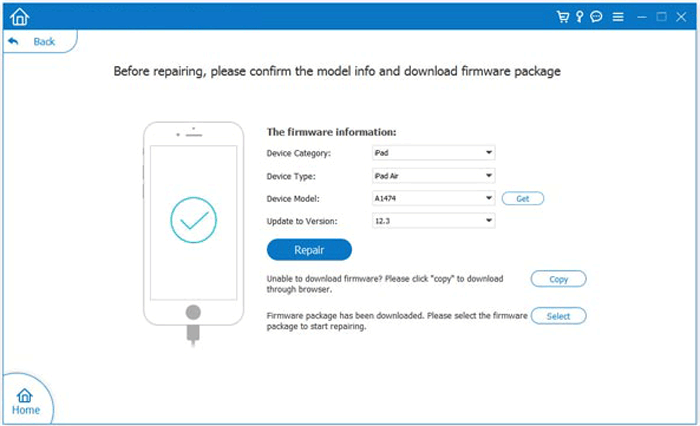
03Check and confirm the iPhone information. If it is right, click the "Repair" button to start repairing. If not, just select the right information and then click the "Repair" button to begin the fixing process.
If you've tried the above methods and still can't fix the bricked iPhone, it's recommended to contact Apple Support or make an appointment at an Apple Store for professional diagnosis and repair. Sometimes, hardware issues can be the cause of the bricking, and Apple's technical support can provide more in-depth assistance.
When your iPhone gets bricked after updating to iOS 26, there's no need to panic. Using the methods provided in this article, you can try everything from simple charging and force restarting to deeper recovery modes and DFU mode, or even using the professional tool for repairs. It's recommended to prioritize iOS System Recovery, as it can not only fix system issues but also ensure your data stays safe, preventing data loss. If all else fails, seeking help from Apple Support is a good next step. If you have any questions, feel free to leave a comment below.
Related Articles:
iPhone Blue Screen of Death? Here are 7 Easy Ways to Fix
Apple iPhone Black Screen of Death? Here Are the Best Solutions






 Free Download for PC
  Free Download for Mac


