"My iPhone fell, and now it shows me no SIM card. How to fix it?"
- from Apple Community
When your iPhone suddenly displays "No SIM" or "Invalid SIM", it can be both confusing and frustrating. This issue prevents you from making calls, sending messages, or using mobile data, which makes your iPhone almost unusable in daily life. Actually, iPhone says no SIM does not necessarily mean that the SIM card is damaged. In most cases, it is caused by system settings, network issues, or slight hardware contact abnormalities.
This article will start with the reasons for "no SIM card installed" and provide a series of solutions, ranging from simple to advanced, to help you quickly restore the normal communication function of your iPhone.
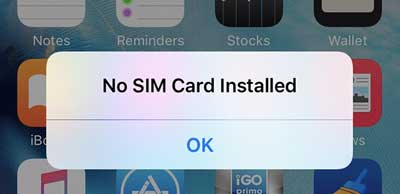
Before solving the problem, understanding the cause can help choose the right method. The "iPhone says no SIM" issue is usually caused by the following reasons:
Below, we will introduce a variety of common and effective solutions in order of simplicity to complexity. It is recommended to try them one by one.
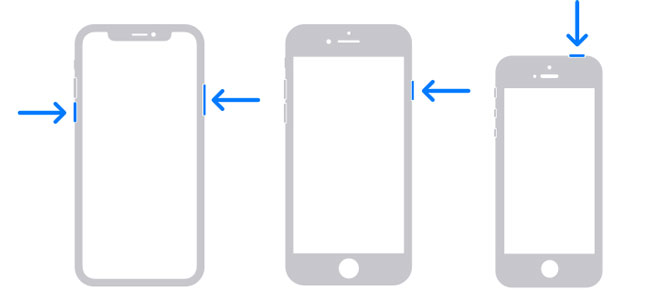
Temporary system glitches are one of the most common reasons why an iPhone suddenly says no SIM. Restarting the device refreshes the cellular modules and reloads network connections.
For iPhone X, 11, 12, 13, or newer:
For iPhone 6, 7, 8, or SE (2nd or 3rd generation):
For iPhone SE (1st generation), iPhone 5, or earlier:
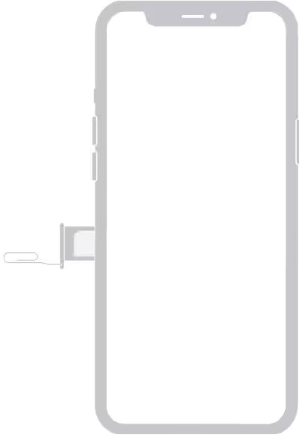
Improper placement or slight looseness of the SIM card can prevent the iPhone from recognizing the card. Therefore, reinserting the SIM card is a crucial step, especially if you've recently changed the card or dropped your phone.
Here is how to fix iPhone says no SIM after dropping:
Step 1. Turn off your iPhone.
Step 2. Use a SIM card ejector tool to remove the SIM card tray.
Step 3. Take out the SIM card and check for any scratches or dirt.
Step 4. Gently wipe the SIM card chip with a clean, soft cloth.
Step 5. Place the SIM card back into the tray correctly and reinsert it into the iPhone.
Step 6. Power on the phone and check if the "No SIM" message still appears.
Switching on Airplane Mode can force the iPhone to reconnect to the carrier network, making it a quick fix for temporary network issues.
Swipe down from the top-right corner of the screen to open the "Control Center" and turn on "Airplane Mode". Wait for about 30 seconds, then turn it off again and wait for the iPhone to reconnect to the cellular network. Alternatively, you can go to "Settings", turn on/off "Airplane Mode".

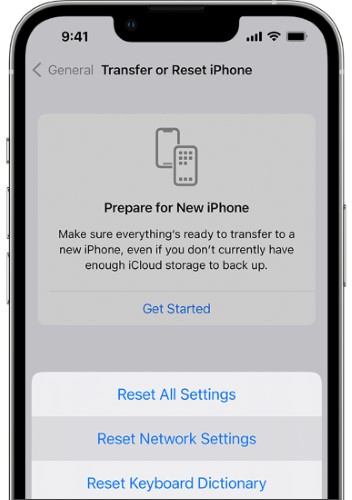
Network configuration errors can also cause the iPhone to say "No SIM" detected. In this case, you can try resetting the network settings. Note that this action will remove all wireless connections, including Wi-Fi, Bluetooth, VPN, etc., and will also clear any saved passwords and custom settings.
Here is how to do it:
Step 1. Open "Settings" > "General".
Step 2. Go to "Transfer or Reset iPhone".
Step 3. Tap "Reset" > "Reset Network Settings".
Step 4. Enter your passcode to confirm the action.
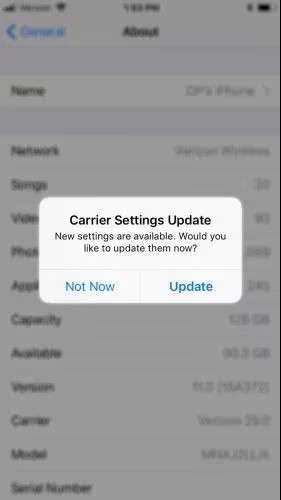
If your iPhone keeps showing "No SIM" or "Invalid SIM", you might need a carrier update. Often, this update needs to be installed manually when a new SIM card is inserted into the device. Here's how to do it:
Step 1. Connect your iPhone to Wi-Fi.
Step 1. Go to "Settings" > "General" > "About".
Step 2. If an update prompt appears, tap "Update".
Some versions of iOS may contain bugs related to cellular or baseband functions. Updating iOS can often fix these issues.
Here is how to fix iPhone says no SIM card:
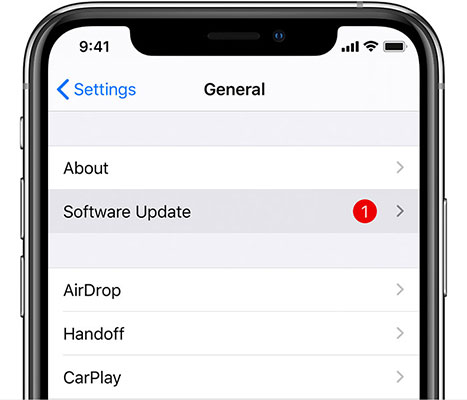
Step 1. Go to "Settings" > "General" > "Software Update" and install the latest iOS version. (iPhone won't update?)
Step 2. If the update fails, you can use iTunes or Finder on a computer to update your iPhone.
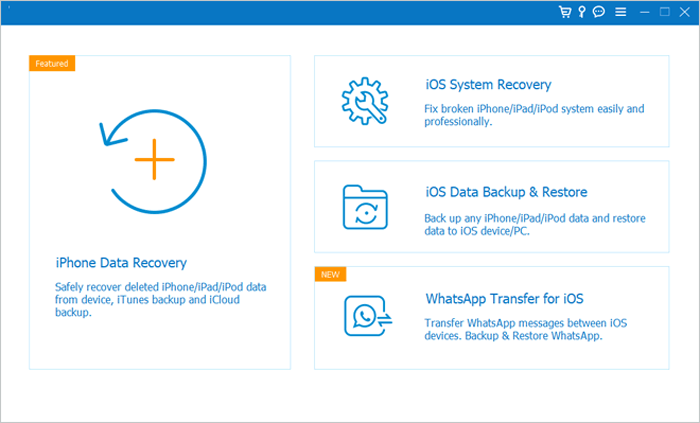
If your iPhone says no SIM due to deeper iOS system problems, standard settings changes may not work. In this case, a professional repair tool like iOS System Recovery can help. This tool can fix system-level errors without data loss and supports various iOS-related issues, including cellular failures.
Main features of iOS System Recovery:
Here's how to fix iPhone says no SIM detected using iOS System Recovery:
01Launch the program and connect your iPhone via USB. On the main interface, click on "More Tools" and select "iOS System Recovery".
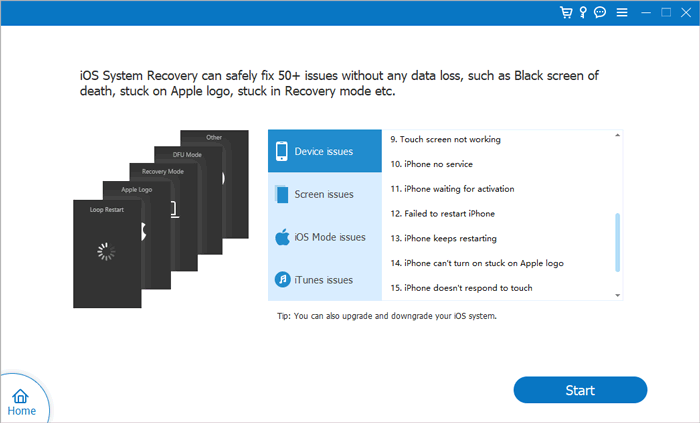
02Click "Start", and the program will automatically detect potential issues such as the red screen of death, unresponsive screen, iTunes Error 21, iPhone Error 2009, and more.
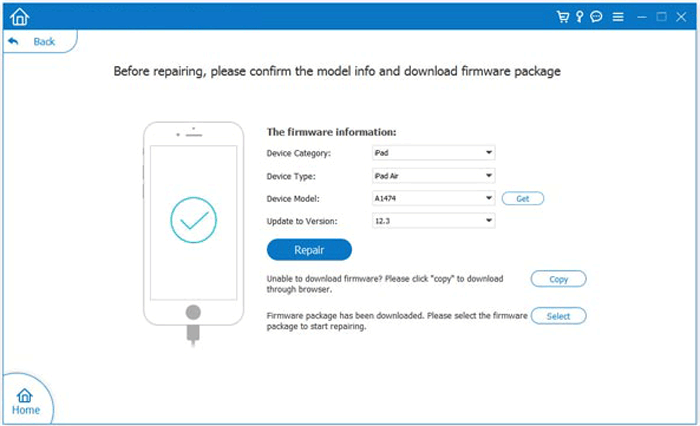
03Confirm your iPhone's model. If everything looks correct, click "Repair". If not, select the correct model and then click "Repair" to begin fixing the issue.
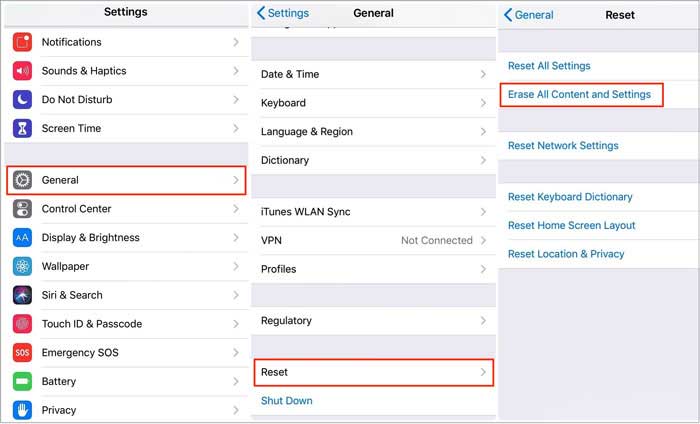
If none of the above methods work, your last resort is to reset your iPhone and erase all data. This will restore your device to its original state, removing any problematic apps, cache, data, and more.
Note: This action will erase all important files, so you should back up your data before proceeding to fix the "No SIM" issue.
Here are the steps:
Step 1. Go to "Settings" > "General" > "Reset".
Step 2. Tap "Erase All Content and Settings" and enter your screen passcode.
Step 3. Finally, tap "Erase iPhone" again to confirm the action, and you're all set. (iPhone won't erase?)
If none of the above methods solve the issue, it is likely due to one of the following:
At this point, it is recommended to:
In most cases, iPhone says no SIM is not a serious hardware failure and can be fixed by following the right troubleshooting steps. Starting from basic checks and moving toward advanced system repair ensures both efficiency and safety.
If you want a fast, data-safe solution for system-related causes, iOS System Recovery is a reliable option worth considering.
Related Articles:
6 Solutions to Fix the SIM Not Supported on iPhone Error
How to Unlock iPhone without SIM Card? [Updated Tutorial]
How to Activate iPhone Without SIM Card (The Last One Is The Easiest)
Unlock a Network Locked Phone Easily | Full Step-by-Step Guide




 Free Download for PC
  Free Download for Mac


