"Any tips on how to fix my iPhone 11 whose touchscreen won't work? I've tried forcing a restart by pressing Volume Up, Volume Down, and the Side Button. Once it restarts, the problem isn't resolved. When I try to connect my iPhone to my laptop and iTunes for a forced update, I can't connect because I need to unlock my iPhone to use accessories, and I can't unlock my iPhone since I can't touch anything."
- from Apple Community
From making calls to scrolling through social media, iPhones have become an essential part of our lives, and it can be quite inconvenient when their screen isn't functioning properly. An iPhone touch screen not working can be discouraging, especially when you rely heavily on it for various activities.
Well, don't let such distress get you down; there are surefire ways to resolve the iPhone touch screen not working or responding issue and restore the functionality of your device. We'll explain why this issue happens and give you the steps to troubleshoot the issue.
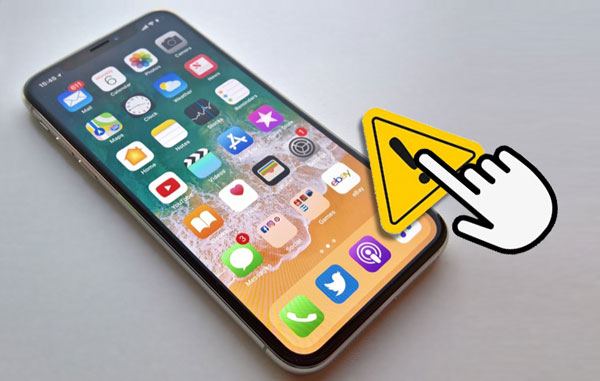
Understanding the reasons why your iPhone's touchscreen is not working or responding is the first step to resolving the issue. There are several common causes:
What to do when the iPhone touchscreen is not working properly? Here are ten effective ways you can try.
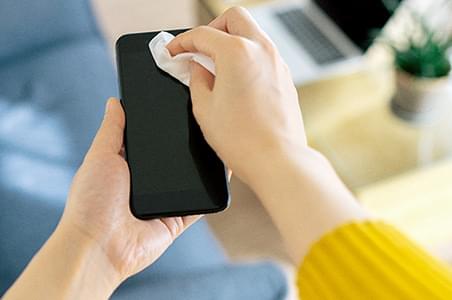
Screen dirt is one of the causes of the iPhone touch screen not working or being unable to unlock. Oil, dust, or water stains can affect touch recognition, especially on capacitive screens. Cleaning the screen often directly resolves the issue.
Turn off your iPhone, and gently wipe the screen with a soft, lint-free cloth (such as a glasses cloth). After wiping, power on the device and test if the touch functionality is restored.
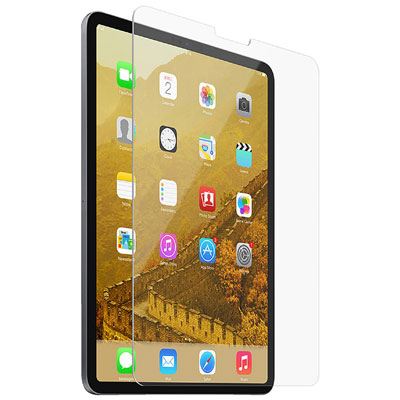
Some low-quality screen protectors or bulky cases may affect touch sensitivity. This is especially noticeable during edge taps and swipe gestures.
Carefully remove the screen protector and take off the case or cover, then power on the iPhone to test if the touch screen responsiveness returns to normal.
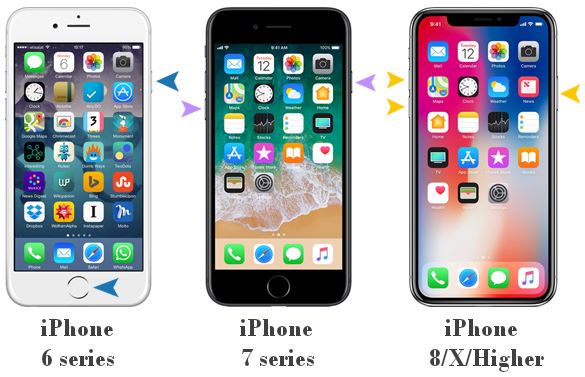
When the system freezes or the screen is completely unresponsive, a force restart can reload the iPhone's system and restore touch functionality. To force restart the iPhone, follow the steps below:
iPhone touch screen is still not working after a restart? Check your 3D Touch settings. Some users may experience unresponsive screen taps if the touch sensitivity is set too high or too low.
Here is how to fix the iPhone touch screen not working, but the phone is on:
Step 1. To gain access to the settings on your iPhone, simply open up the Settings app.
Step 2. Now head to "General" and find "Accessibility" and "3D Touch".
Step 3. Adjust the sensitivity to "Medium" or a level that suits you, then test if the touch responsiveness improves.
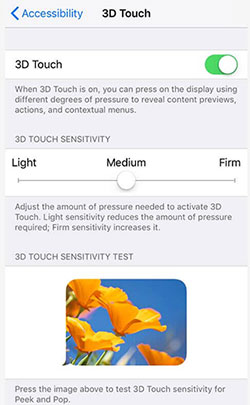
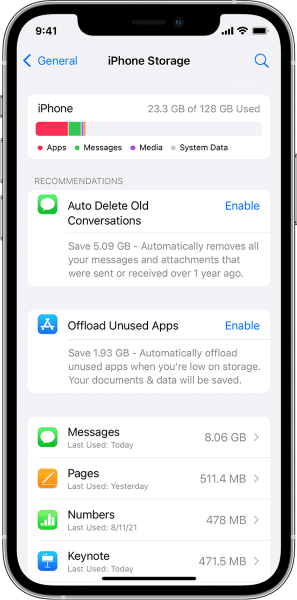
Another possible reason for your iPhone's touchscreen not working is insufficient storage. If this is the case, make sure your device has enough available space to resolve the issue. To free up iPhone space, follow the steps below:
Step 1. Open "Settings" → "General" → "iPhone Storage" to view your available space.
Step 2. If storage is low, remove unused apps, old photos, videos, or messages. Aim to keep at least 1–2 GB of free space for optimal performance.
If your iPhone's touch screen only stops responding in a specific app, the issue is likely with the app itself.
To resolve this issue, start by closing and reopening the app. If the problem persists, update the app via the App Store. However, if no new version exists, you can uninstall the app from your iPhone and reinstall it afterward. Once complete, reopen the application and confirm that unresponsiveness has been resolved on your phone screen.
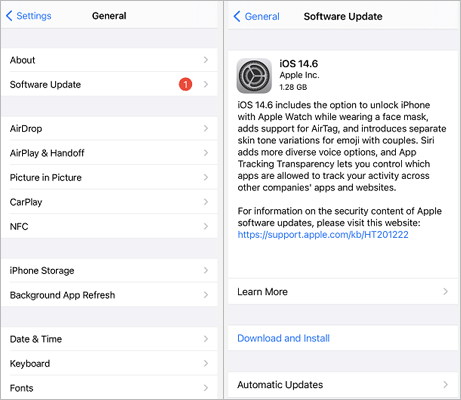
To avoid software issues on your iPhone, ensure the device is always up to date. This helps ensure that you have the latest security patches and bug fixes. It's always recommended to update your iPhone to the latest iOS version.
Here's how you can update an iPhone:
Step 1. To keep your device up-to-date, open "Settings" and head to the "General" section. Then select "Software Update" to begin the process of updating it.
Step 2. Your iPhone will begin scanning for new updates. If an update is available, download and install it on the device.
If the iPhone touch screen is still not working after the update, this should be considered a last resort, as it will erase all data on your iPhone. Make sure you have a backup before attempting this method. (How to back up an iPhone to a computer?)
Here is how to do it:
Step 1. Connect your iPhone to your computer using a cable and open iTunes. Ensure that your iTunes is up to date; if not, update it first.
Step 2. Locate your device under the "Summary" or "Locations" section, then click the "Restore iPhone" button.
Step 3. Follow the on-screen instructions to complete the process.
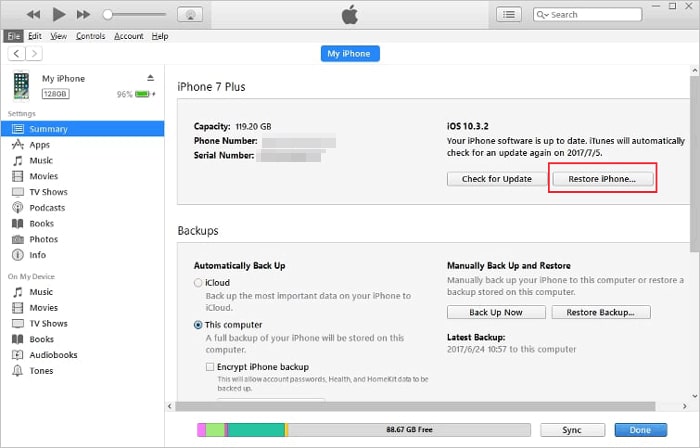
Note: This method only applies to iPhones that can be detected by iTunes/Finder. For iPhones that cannot be detected, you will need to first put the iPhone into recovery mode.
For users who want to fix touch screen issues without losing data, iOS System Recovery is a reliable solution. It repairs system errors while keeping your files intact. It supports various iOS system issues like being stuck on the Apple logo, recovery mode looping, black screen of death, and more.
Highlights of iOS System Recovery:
How do I fix the iPhone touch screen not working or responding without data loss?
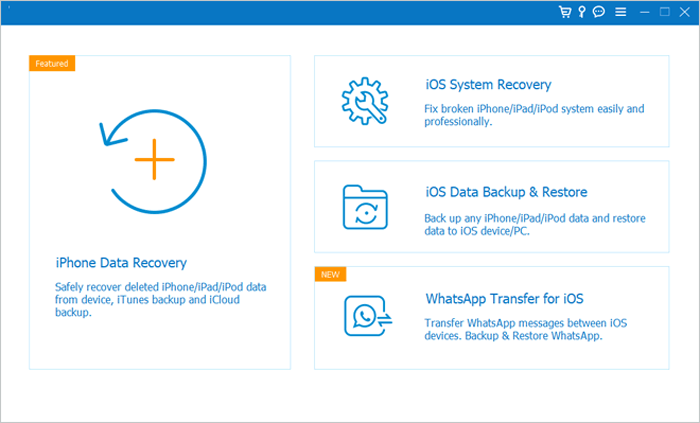
01Launch the software on your computer, then connect your iPhone using a USB cable. Click "More tools" > "iOS System Recovery" on the interface.
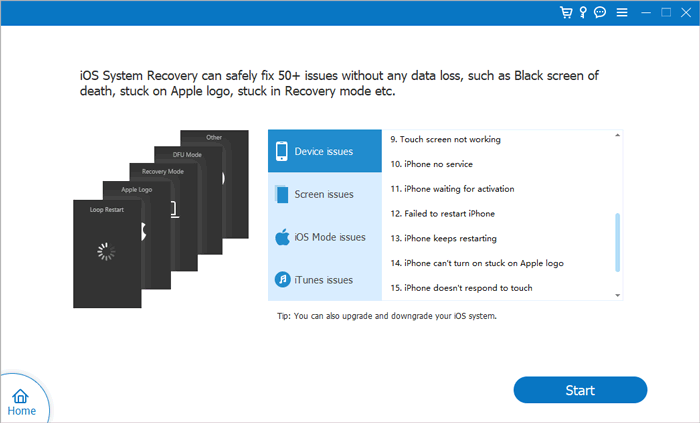
02The program will automatically detect your iPhone and display the system issue. Click the "Start" button to proceed.
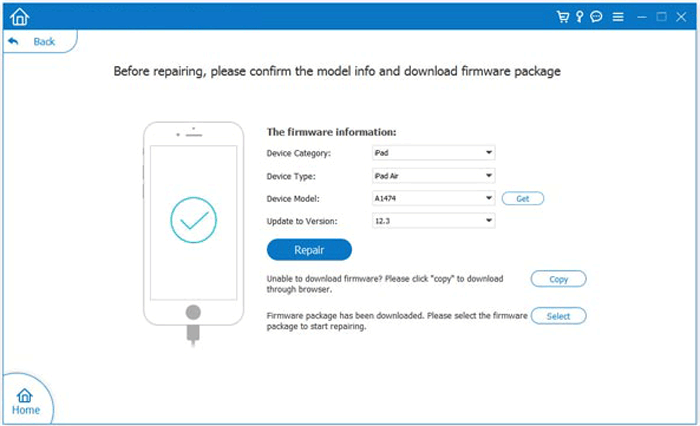
03Verify the iPhone information shown. If it's incorrect, select the correct details from the drop-down menus. Once confirmed, click the "Repair" button to immediately fix the iPhone's touch screen issue.
If your iPhone touch screen is not working after a drop or if your iPhone touch screen is not working after water exposure, the issue is likely hardware-related. In these cases, DIY fixes usually won't help, and attempting them could cause further damage. The safest and most effective solution is to contact Apple Support or visit an authorized service center. Apple technicians can accurately diagnose screen or internal component damage and provide professional repair or replacement options to restore your iPhone's touch functionality.
When your iPhone touchscreen is not working or unresponsive, there's no need to panic right away. Most issues stem from software glitches or system conflicts, and following the steps in this guide can often resolve the problem on your own.
If you're dealing with severe freezing, system errors, or don't want to lose data, using iOS System Recovery is usually a safer and more efficient choice. Unlike iTunes recovery, it avoids data loss and offers a higher success rate in fixing iOS system issues.
Related Articles:
Troubleshooting the Bottom of iPhone Screen Not Working - 2026 Update
How to Fix Touch ID Not Working on iPhone/iPad in No Time? (Incredibly Simple)
5 Ways to Fix the iPhone Frozen on Lock Screen Issue with Ease
How to Fix iPad Touch Screen Not Working Problem in 8 Pro Ways?




 Free Download for PC
  Free Download for Mac


