Bluetooth has almost become an indispensable part of daily iPhone use, whether it's connecting AirPods, car systems, smartwatches, or Bluetooth speakers. When the issue of "iPhone cannot connect to Bluetooth" occurs, it can be quite frustrating. Some users may find that their iPhone cannot detect devices, while others can see the devices but cannot pair with them. In some cases, even after connecting, the connection frequently drops. Don't worry. In this guide, we'll first explain why your iPhone Bluetooth is not working, then walk you through 9 step-by-step solutions, from simple fixes to advanced system repair methods.
Before you start fixing the issue, understanding the potential causes of the problem can help you find the solution that works best for you. If your iPhone cannot connect to Bluetooth, here are the possible reasons:
Below are 9 effective solutions, arranged from the easiest to the most advanced. It's recommended to try them in order until your iPhone successfully reconnects to Bluetooth.
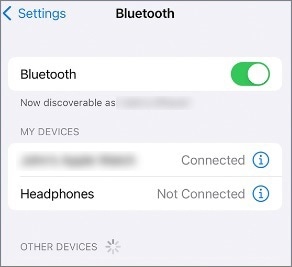
The Bluetooth module may experience temporary malfunctions or unresponsiveness after running for an extended period. Turning Bluetooth off and on can force the system to reload the Bluetooth service, making it one of the simplest and most common fixes.
Here are the steps:
Step 1. Open the iPhone "Settings" and tap "Bluetooth".
Step 2. Turn off the Bluetooth toggle and wait for about 10–15 seconds.
Step 3. Turn Bluetooth back on and re-search for and connect to the target device.
Bluetooth connections are very sensitive to distance and the surrounding environment. If the devices are too far apart or there are obstacles like walls, metal, or other wireless signal interference, the connection may fail or become unstable. It is recommended to keep your iPhone and Bluetooth device within a 1–2 meter range.
If a Bluetooth device that previously connected is now failing to do so, it's often due to corrupted pairing information. Re-pairing the device can establish a fresh connection configuration.
Here is how to do it:
Step 1. On your iPhone, open "Settings" and tap "Bluetooth".
Step 2. Find the device you want to unpair in the list, tap the "i" button, and then select "Forget This Device". The accessory will be removed from the list of available Bluetooth devices.
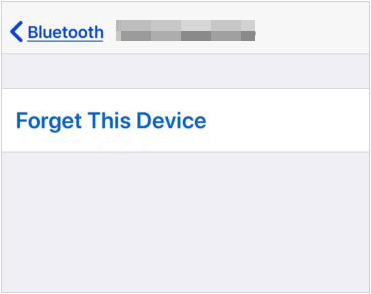
Step 3. To reconnect it, put your accessory in pairing mode (if you're unsure how, refer to the instructions that came with your device or visit the manufacturer's website).
Step 4. Once the accessory appears in the list, tap its name. You may need to enter a code if required.
Step 5. Your device will be ready to use once it shows "Connected" next to its name.
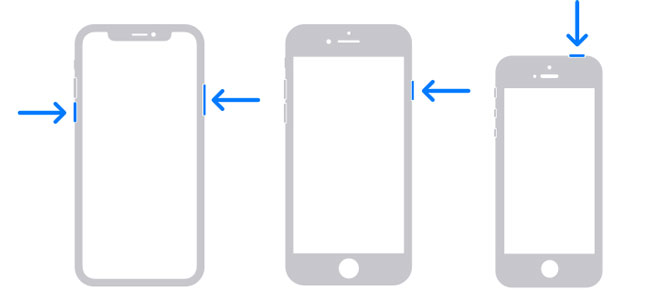
System background processes or temporary memory issues may cause iPhone Bluetooth to stop working. Restarting your iPhone can clear cached data and refresh system services.
For iPhone X, 11, 12, 13, or later:
For iPhone 6, 7, 8, or SE (2nd or 3rd generation):
For iPhone SE (1st generation), 5, or earlier:
Some iOS versions contain known Bluetooth bugs, which Apple has addressed in subsequent updates. Keeping your iOS up to date can automatically resolve the "iPhone cannot connect to Bluetooth" issue.
To update iOS, follow these steps:
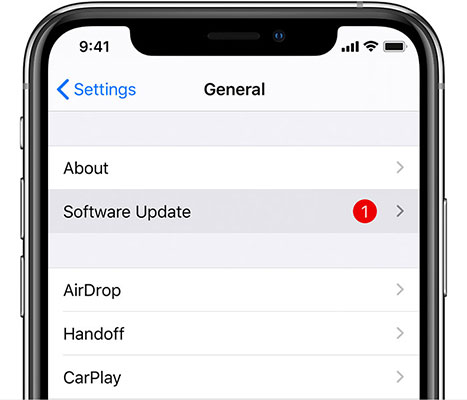
Step 1. Open the "Settings" app and tap "General".
Step 2. Select "Software Update". If there's a red dot, an update is available. (iPhone software update failed?)
Step 3. Tap "Download and Install" to update to the latest iOS.
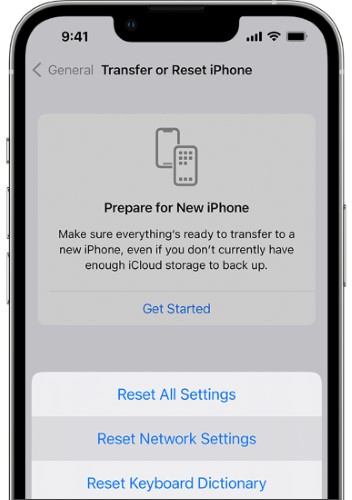
Resetting network settings will erase data from all your Bluetooth devices, Wi-Fi networks, and VPN settings on your iPhone. This action gives your iPhone a fresh start when connecting to Bluetooth devices, and can sometimes resolve more complex software issues.
Before resetting, make sure you know all your Wi-Fi passwords, as you'll need to re-enter them afterward.
Here is how to reset network settings:
Step 1. Open "Settings" > "General" > "Transfer or Reset iPhone".
Step 2. Tap "Reset" > "Reset Network Settings".
Step 3. Enter your lock screen password to confirm.
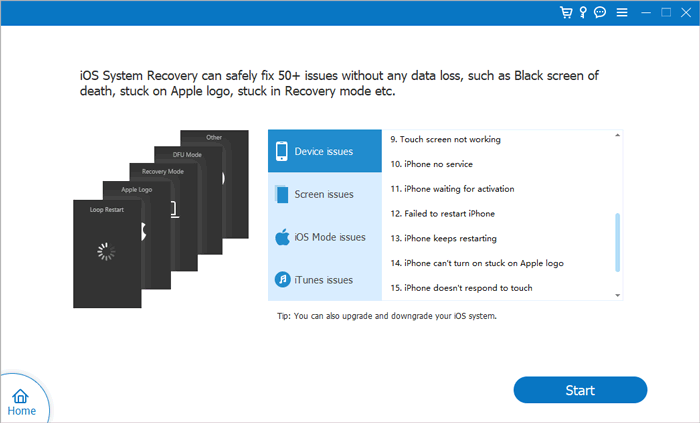
If none of the above methods work, the issue is likely a deeper iOS system-level failure, which cannot be resolved by regular settings. In this case, you can use a professional iOS system repair tool to fix Bluetooth issues without erasing your data. iOS System Recovery is a professional iOS repair tool designed to fix problems such as Bluetooth connectivity issues, system freezes, the white Apple screen, infinite rebooting, and more.
Key features of iOS System Recovery:
* Fix iPhone cannot connect to Bluetooth without data loss.
* Fix a wide range of iOS system issues, such as iPhone stuck in recovery mode, frozen on the Apple logo, boot loops, headphone mode, the "Hello" screen, unable to restore, and more.
* Easily upgrade or downgrade iOS versions for free.
* Guaranteed 100% success rate with no data loss.
* Support the latest iPhone 17 series and iOS 18/26.
Here's how to fix iPhone Bluetooth not working using iOS System Recovery:
01Download and install the tool on your computer. Once installed, open the program and select "iOS System Recovery".
02Connect your iPhone to the computer and trust the connection. Click "Start" and follow the on-screen instructions to enter recovery mode.
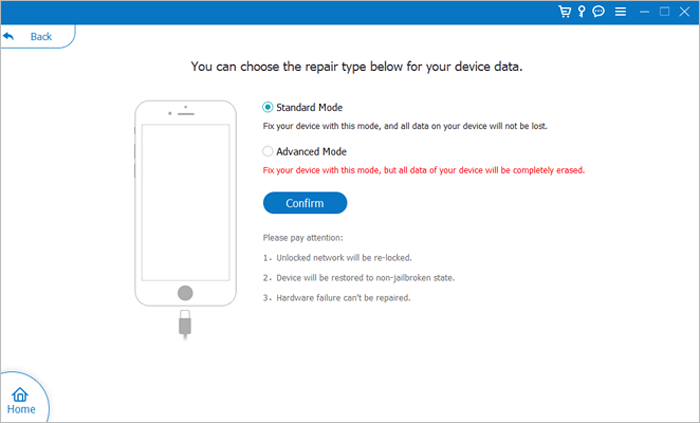
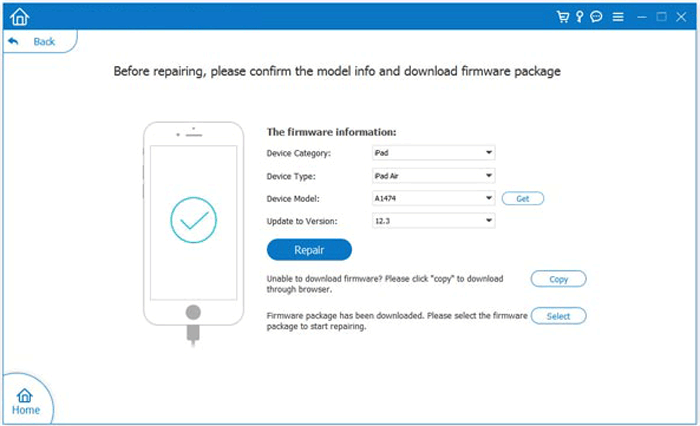
03Choose "Standard Mode" and click "Confirm". The tool will begin downloading the required iOS firmware.
04Once the firmware is downloaded, click "Repair" to begin the repair process. The tool will fix your device and resolve issues like your iPhone cannot connect to Bluetooth.
When the system error is severe, and other methods have failed, restoring factory settings can completely resolve system issues. Before proceeding, please back up your data.
Here is how to fix the iPhone cannot connect to Bluetooth:
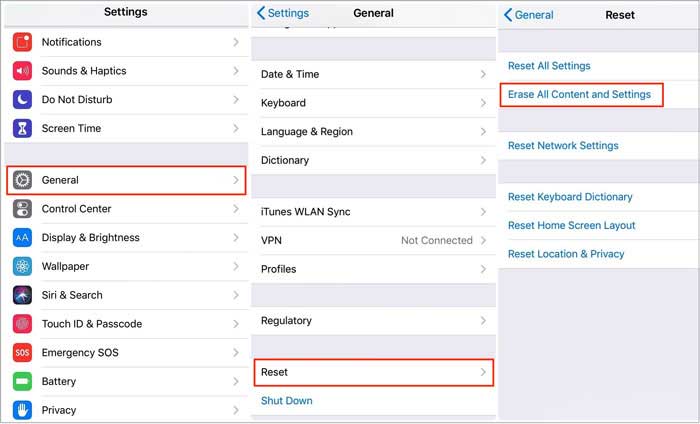
Step 1. Open "Settings" > "General".
Step 2. Tap "Transfer or Reset iPhone".
Step 3. Select "Erase All Content and Settings". (iPhone won't erase?)
Step 4. After completion, set up your iPhone again and test Bluetooth.
If none of the software-based solutions above work, the issue may no longer be related to settings or iOS system errors. In this case, when your iPhone cannot connect to Bluetooth even after a factory reset, it usually indicates a hardware-related problem, such as a faulty Bluetooth chip or internal antenna damage. Contacting Apple Support allows certified technicians to run professional diagnostics and determine whether your device needs repair or replacement, especially if it is still under warranty.
When you encounter the "iPhone cannot connect to Bluetooth" issue, most of the time it can be resolved with simple settings or system fixes. It's recommended to try the basic methods first. If it's confirmed to be a system-level issue, iOS System Recovery is an efficient and safe choice that can fix Bluetooth problems without data loss.
Related Articles:
Bluetooth File Transfer with iPhone: How to Transfer Files on iPhone over Bluetooth?
Transfer Directly from iPhone Not Working? Here are the Fixes
[Solved] How to Fix iPhone 17 Quick Start Not Working in 2026?
Effectively Fix Bluetooth Not Working on iPhone or Android Phone




 Free Download for PC
  Free Download for Mac


