TL;DR:
Changing a SIM card on an iPhone is a simple process, but proper preparation can help you avoid compatibility issues and keep your data safe. This guide covers everything you need to know, including:
If you want to switch SIM cards on your iPhone, this guide will walk you through the entire process. Whether you are changing carriers, replacing an old SIM card, or using a new mobile plan, it is important to prepare your device properly beforehand. In this article, you will learn what to do before changing a SIM card, how to back up your iPhone data, how to replace the SIM card step by step, and what to expect afterward.
Before changing the SIM card on your iPhone, there are several things you should check to ensure a smooth transition. Preparing in advance can help you avoid SIM compatibility issues, contact loss, or network activation problems.
1. Check Whether the New SIM Card Is Compatible with Your iPhone
Most iPhones with a physical SIM tray use Nano-SIM cards. However, newer iPhone models also support eSIM, and some versions no longer include a physical SIM slot.
Before replacing your SIM card, check your iPhone model and confirm whether it supports a physical SIM, eSIM, or both. If you are unsure, contact your carrier for a compatible SIM option.
2. Import SIM Card Contacts to Your iPhone
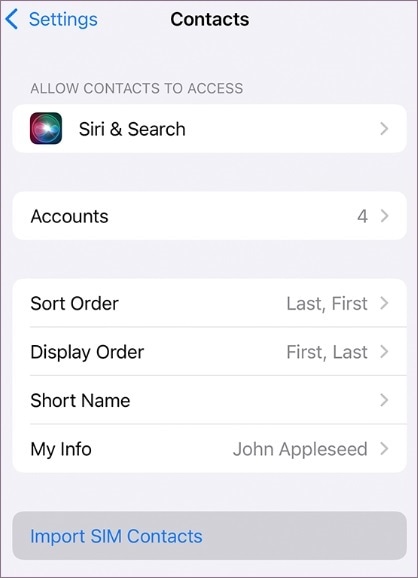
If your contacts are stored on your old SIM card, make sure to import them before changing the SIM card. To do this, open: "Settings" > "Contacts" > "Import SIM Contacts" (How to copy contacts from iPhone to SIM?)
After the import process is complete, your contacts will be saved on your iPhone or synced with your iCloud account.
Note: iPhone does not allow users to export contacts back to a SIM card.
3. Back Up Your iPhone Data
Changing a SIM card will not delete your photos, messages, apps, or other personal data. However, creating a backup before replacing the SIM card is still recommended in case unexpected issues occur.
You can back up your iPhone using iCloud, Finder/iTunes, or a professional iPhone backup tool like Coolmuster iOS Assistant.
4. Turn Off Your iPhone (Optional)
Although turning off your iPhone is not required for most SIM card replacements, powering it down can prevent accidental touches or interruptions while removing and inserting the SIM card.
Although replacing a SIM card does not delete iPhone data, backing up your device beforehand is a smart choice. You can back up your iPhone using iCloud, Finder/iTunes, or a professional iPhone backup tool. Among these options, Coolmuster iOS Assistant provides a convenient way to back up your entire iPhone or selectively export specific files to your computer. With this tool, you can transfer important iPhone data, including contacts, photos, videos, messages, music, calendars, bookmarks, and more, without overwriting existing data.
Key Features of Coolmuster iOS Assistant:
How to Back Up iPhone Data Before Changing SIM Card Using Coolmuster iOS Assistant:
01Download and install Coolmuster iOS Assistant on your computer, then open the program to begin the backup process.
02Use a USB cable to connect your iPhone to the computer. Tap "Trust" on your iPhone screen when prompted. Once connected successfully, the program will display your device information on the main interface.
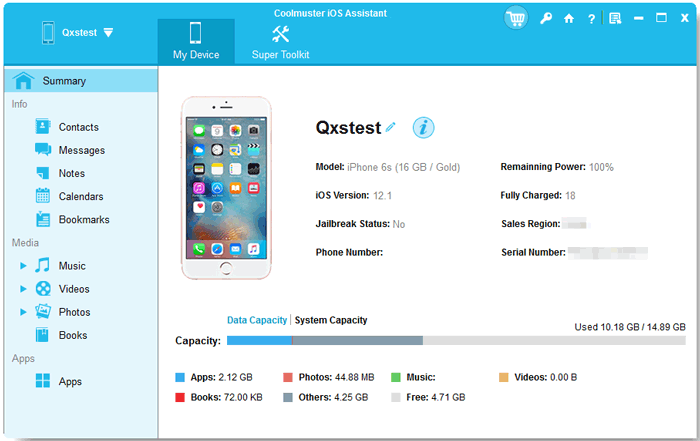
03Select the files you want to export and back up on your computer. For example, you can click on "Contacts" and select "Export". Choose the format to export, i.e., "Export to CSV".
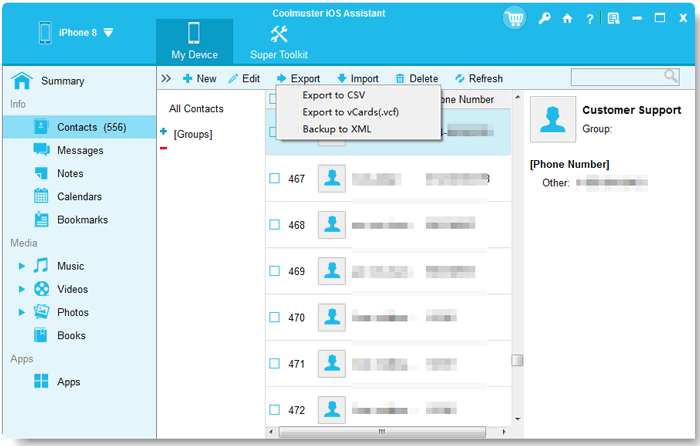
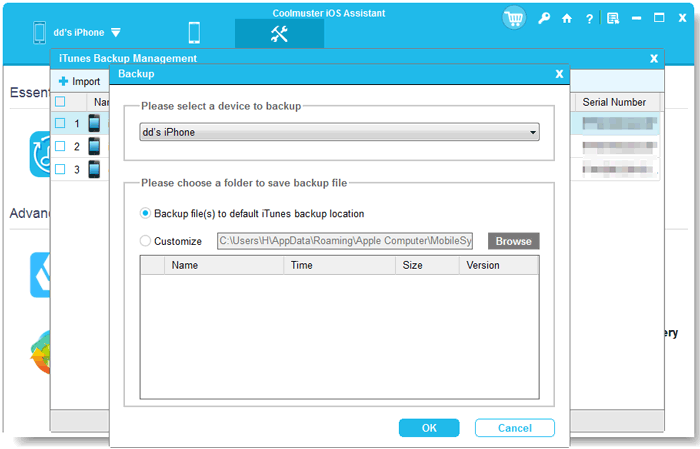
To back up your whole iPhone, go to "Super Toolkit" > "iTunes Backup & Restore" > "Backup". Select the device you want to back up, choose a location to store the backup file, and then tap "OK" to start the backup progress.
Video Tutorial:
After completing the preparations above, you can start replacing the SIM card on your iPhone. The process is simple and only requires a SIM ejector tool or a small paper clip. Follow the steps below to learn how to remove and replace a SIM card on an iPhone.
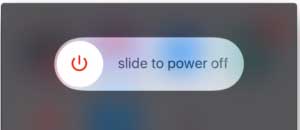
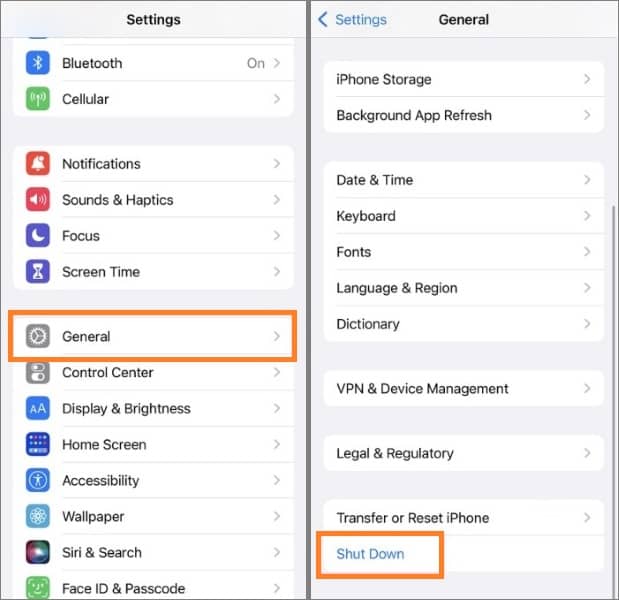
Step 1. Before removing the SIM card, it is recommended to turn off your iPhone. You can press the required buttons or go to: "Settings" > "General" > "Shut Down" and slide to power off your device.
Step 2. Insert a SIM ejector tool into the small hole next to the SIM tray. The tray is usually located on the side of your iPhone.
Note: Some newer iPhone models support eSIM only and do not include a physical SIM tray.
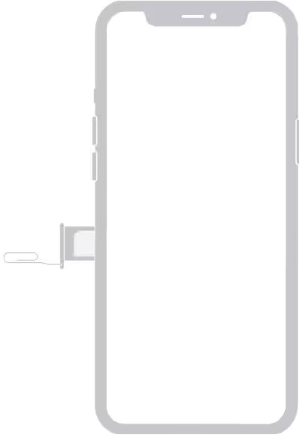
Step 3. Once the tray pops out, gently remove the old SIM card. Place the new SIM card into the tray, making sure it fits correctly and is positioned properly. Then, carefully push the tray back into your iPhone until it is fully closed.
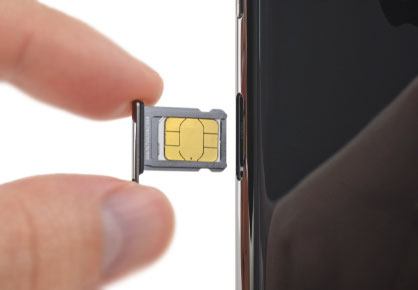
Step 4. Turn your iPhone back on and wait for it to recognize the new SIM card. Once activated, you should be able to make calls, send messages, and use mobile data.
If the SIM card is not detected, restart your iPhone or contact your carrier for activation support.
After changing the SIM card on your iPhone, you may wonder whether your data or settings will be affected. In most cases, replacing a SIM card only changes your cellular service information, while your personal data remains safe.
1. Your iPhone Data Will Not Be Deleted
Changing a SIM card does not remove your photos, videos, apps, messages, or other personal files. Most iPhone data is stored on the device or synced with iCloud, not on the SIM card.
If your contacts were saved on the old SIM card, make sure you import them before replacing it by going to: "Settings" > "Contacts" > "Import SIM Contacts".
2. Your Carrier Information May Change
If you use a SIM card from another carrier, your phone number, network settings, and mobile plan information may be updated. Wait a few moments for your iPhone to activate the new SIM card.
You can check whether the SIM card works by testing:
3. You May Need to Update Some Settings
If your iPhone cannot connect to the network after changing the SIM card, try these fixes:
If the issue continues, contact your carrier for assistance. (iPhone Says No SIM Card Installed?)
4. iMessage and FaceTime May Need Updates
If you change your phone number, you may need to update iMessage and FaceTime settings. Go to: "Settings" > "Apps" > "Messages" > "Send & Receive", and check whether your new phone number or Apple ID is selected correctly.
After these steps, your iPhone should work normally with the new SIM card. Your apps, photos, and other personal data will remain unchanged.
If you travel internationally often, changing SIM cards every time you visit a new country can be inconvenient. A simpler option is to use an eSIM, which allows you to switch mobile plans digitally without removing your physical SIM card.
An eSIM is a built-in digital SIM that lets you activate a cellular plan by scanning a QR code or using your carrier's activation details. Most newer iPhone models support eSIM, although availability may vary depending on the model and region.
Follow the steps below to set up an eSIM for overseas use:
Step 1. Make sure your iPhone supports eSIM and is unlocked. You can also confirm with your carrier whether an eSIM plan is available in your destination country.
Step 2. Buy an international eSIM plan from your carrier or a trusted eSIM provider. You will usually receive a QR code or activation information after purchase.
Step 3. Scan the QR code provided by your carrier, or enter the activation details manually if required.
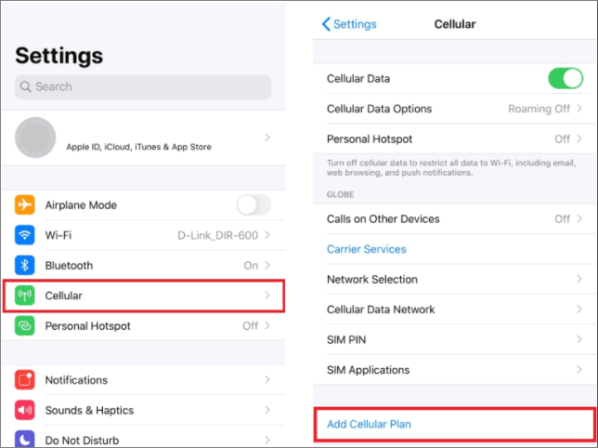
Step 4. Go to "Settings" > "Cellular" > "Add eSIM". Follow the instructions to activate your plan. Once completed, you can use mobile data overseas without replacing your physical SIM card.
Tip: If your iPhone supports dual SIM, you can keep your original SIM card active while using the eSIM for travel data.
Q1. Will changing a SIM card delete iPhone data?
No. Changing a SIM card will not delete your photos, videos, apps, messages, or other personal data. However, it is still recommended to back up your iPhone before making changes.
Q2. Can I change my iPhone SIM card while it is turned on?
Yes, but turning off your iPhone before replacing the SIM card is recommended to avoid accidental operations and ensure a smoother process.
Q3. Do I need to unlock my iPhone before changing SIM cards?
Yes. If you want to use a SIM card from another carrier, your iPhone must be carrier unlocked. Otherwise, the new SIM card may not work.
Q4. What should I do if my iPhone does not recognize the new SIM card?
Make sure the SIM card is inserted correctly, restart your iPhone, check for carrier updates, and confirm that the SIM card is compatible with your device.
Q5. Can I use eSIM instead of a physical SIM card on iPhone?
Yes. Many newer iPhone models support eSIM, allowing you to activate a cellular plan digitally without inserting a physical SIM card.
Q6. Will I lose my contacts after changing the SIM card?
Not if your contacts are saved on your iPhone or iCloud. If they are stored on your old SIM card, import them before replacing the SIM card.
Changing SIM cards on an iPhone isn't a difficult process. Before changing an iPhone SIM card, some of the things to do include importing all SIM contacts to your iPhone, creating a backup for your data, and turning it off. To seamlessly back up your iPhone data, we recommend you use Coolmuster iOS Assistant. This tool allows you to back up and restore different data types, including contacts, messages, calendars, bookmarks, music, etc.
Related Articles:
Switching SIM Cards Between iPhones [Full & Comprehensive Guide]
The Ultimate Guide to Transfer Your SIM Card from Android to iPhone






 Free Download for PC
  Free Download for Mac


