Many users have recently reported on Apple forums that their iPhones won't connect to a Mac. In most cases, the iPhone works well with other computers, and both the cable and Mac's USB ports function normally. The issue only occurs when connecting the iPhone to a Mac. In fact, this is not a new problem - complaints about "iPhone won't connect to MacBook" have appeared on Apple forums for years.
If you are struggling with the same issue, this article can help. It provides an in-depth look at the possible reasons why an iPhone won't connect to a Mac and offers practical solutions to fix the problem.
There are a lot of possible reasons that iPhone won't connect to Mac, and the common ones may be like this:
Now you have understood why iPhone won't connect to Mac or MacBook, just continue reading and find a perfect solution for your problem.
Here are eight proven solutions for fixing an iPhone that won't connect to a Mac. Try them one by one until the issue is resolved.
Restart iPhone and Mac to check whether iPhone not connecting to Mac still exists. If iPhone won't connect to Mac yet, try unplug or plug your iPhone to Mac via a USB cable two or three times. And the easiest solution works well sometimes. (How to Fix iPhone Keeps Turning Off and On?)
When troubleshooting an iPhone that won't connect to a PC or Mac, start by checking the lightning cable. Try using a different cable and plugging it into various ports on both devices. Be sure to use an original Apple lightning cable, as third-party cables may cause compatibility issues.
Additionally, if you've recently dropped your iPhone in water, this could also cause connection problems. In this case, place your iPhone in a sunny spot or somewhere dry to allow the water to evaporate, preventing further internal damage.
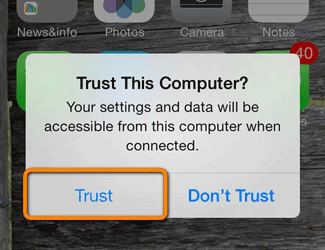
When you connect iPhone to Mac, and both USB cable and port work well, normally, your iPhone will pop up a window asking you whether to trust this computer or not. You need to tap "Trust" to grant permission to your Mac in order to successfully connect and read iPhone data on Mac. If you choose "Don't Trust", you can't connect iPhone to Mac in any way.
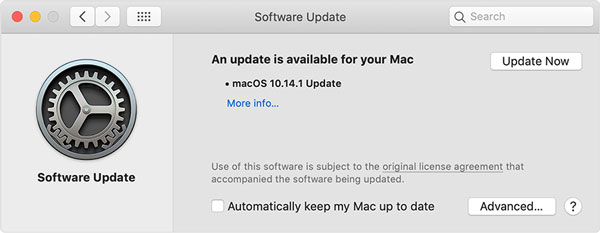
If you are using the latest iOS version on iPhone and your Mac is still equipped with a lower macOS version, it's time for you to update your macOS version. Because some new iPhone types or iOS versions may not be compatible with Mac with a low macOS version.
You can update macOS version by clicking Apple icon on the Menu bar > "System Preferences" > "Software Update" > tapping "Update now".
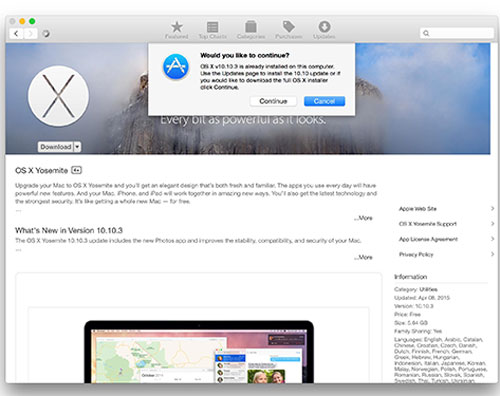
If you cannot reach to Software update via this way, you can update macOS version in App Store, and the steps are: Click Launchpad in Dock > "App Store" > Click the latest macOS version in Recommendations or input macOS in the search box and search > Click desired macOS version from the list to open it > Tap "Download" and wait it to finish the installation.
Note: If you decide to update the macOS version, you'd better backup all your Mac's data beforehand, or you may lose some important data after update.
Outdated software can often be the cause of connection issues between your iPhone and computer. To ensure your iPhone is running the latest software, follow these steps:
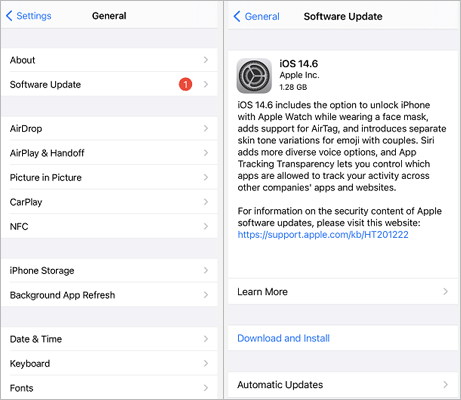
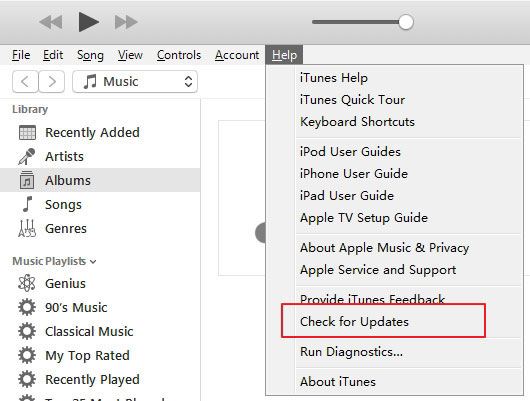
The fact that iPhone won't connect to Mac may also have something to do with iTunes. If so, you can update or reinstall iTunes on Mac. How to update iTunes version? On your Mac, click iTunes on Menu bar > Select "Check for Updates" > "Update" if there is an update version. Make sure to disconnect iPhone to Mac before you update iTunes.
If iTunes on your Mac is the latest version but cannot detect your iPhone, you can reinstall it to solve the issue that you can't connect iPhone to Mac. You can repeat the following steps: Click Finder on Dock > Navigate to "Applications" > Right-click "iTunes" and select "Get Info." > Tap the padlock icon at the bottom right corner > Enter your admin password as prompted > In "Sharing and Permissions" section, choose "Read & Write" from under "Everyone" > Close iTunes info. window > Drag iTunes from Applications file to "Trash bin" to uninstall it > Install the latest iTunes from Apple Official Website.
After that, you will have a high success rate to connect iPhone to Mac.
Note: If your iPhone runs iOS 9, it will only sync with iTunes v12.3. However, iTunes v12.3 can only be installable on macOS X 10.8 or later.
If the solutions above don't fix the problem, you can try resetting all settings on your iPhone. This will help resolve any corrupted files or configurations causing the issue, and it won't result in any data loss.
Follow these steps to reset all settings on your iPhone:
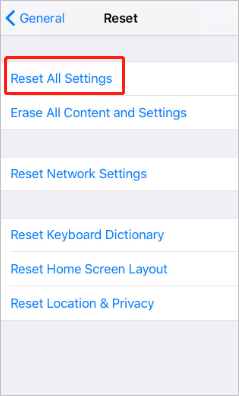
You can read this post to learn Reset vs Erase All Content and Settings. Then, you will know which one you need to perform on your iPhone.
If you have tried the above fixes but iPhone not connecting to Mac problem exists, you can try to connect your iPhone to another working Mac if you have one. Still, if your iPhone won't connect to Mac on another machine, you can contact Apple Support for professional help.
If you need to transfer data to your Mac and iTunes is unable to recognize your iPhone, you can use Coolmuster iOS Assistant for Mac to get the job done. iOS Assistant is designed to make transferring data from your iPhone to Mac quick and easy. It works with all iOS versions and Mac versions, and it's simple to use.
Here's a straightforward guide to transfer data from your iPhone to your Mac without using iTunes or Finder:
iOS Assistant - Transfer Data from iPhone to Mac with One Click!
01Download and install the software on your computer. Launch the program and connect your iPhone to the computer. Your device will be recognized by the software shortly.
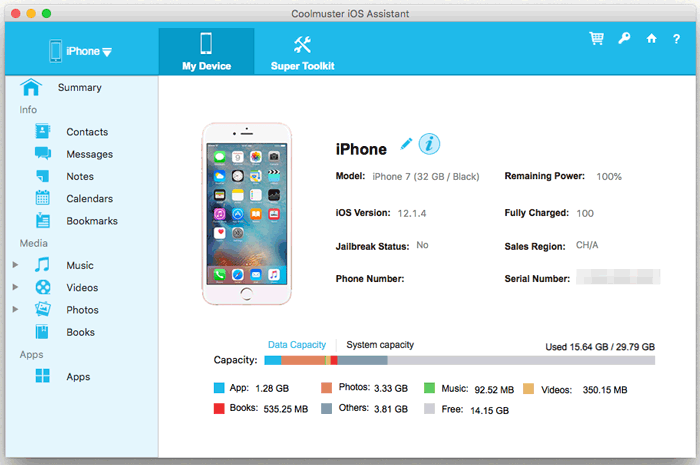
02Select the files you want to export. On the left sidebar, choose the data types and then select the files to export to your computer.
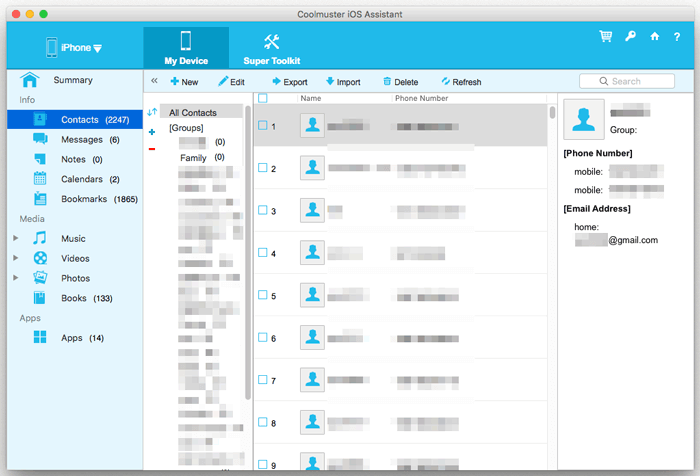
03Click on the "Export" button. Keep your iPhone connected, and the export will complete shortly. You can also import files from your Mac to your iPhone if needed.
Video Guide:
The issue iPhone won't connect to Mac is really annoying when you want to do something with your iPhone on Mac. And this is why we conclude the possible reasons and solutions about iPhone not connecting to Mac in this article. After reading, you can try to solve your iPhone not connecting to Mac issue by yourself. If lucky enough, you are in the next step to transfer or manage iPhone data on Mac. And if you solve iPhone not connecting to Mac problem in order to manage or transfer iPhone data on Mac, you can also try Coolmuster iOS Assistant for Mac.
In addition, if you encounter any problem during you fix iPhone not connecting to Mac, feel free to share with us your difficulties, experience or opinions by leaving a comment below.
Related Articles:
iTunes Won't Sync with iPhone, How to Fix It?
AirDrop Is Not Working on Mac, How to Fix?




 Free Download for Mac
  Free Download for PC


