TL;DR:
iPhone won't sync with iTunes? Update iTunes to v12.12.9+, restart both devices, and use an Apple-certified USB cable. Unlock your iPhone and tap "Trust This Computer." On Windows, restart Apple Mobile Device Service (services.msc) and update USB drivers. On Mac (Catalina+), use Finder instead of iTunes. For music sync, turn off Settings > Apps > Music > Sync Library on your iPhone. If nothing works, try Coolmuster iOS Assistant as an iTunes alternative.
Experiencing an iPhone that refuses to sync with iTunes can stop you from backing up, transfer music, or manage your device. This guide will help you identify, fix, and prevent sync failures - whether you use a Windows PC or a Mac with Finder. And these tricks are also work for fixing the iPod won't sync with the iTunes problem.
Based on Apple Support data and user discussions across Microsoft Q&A and Reddit, the most common causes include:
| Cause | How to Identify |
|---|---|
| 1. Outdated iTunes version | iTunes older than v12.12.9 may not support newer iOS versions |
| 2. Faulty USB cable or port | iPhone charges but doesn't appear in iTunes or File Explorer |
| 3. "Trust This Computer" not approved | No pop-up appears when connecting; iPhone stays locked |
| 4. Apple Mobile Device Service not running (Windows) | iTunes opens but doesn't see the iPhone |
| 5. iCloud Music Library / Sync Library enabled | Music sync option is greyed out or iTunes says it can't sync |
| 6. Third-party security software interfering | iTunes can't connect, or you see error codes 4, 6, 1630-1641, 3000-3999 |
| 7. Driver corruption after Windows or iOS update | iPhone appears with a yellow exclamation mark in Device Manager |
| 8. Computer not authorized | Sync button greyed out or purchased content won't sync |
Before diving into advanced fixes, complete these 30-second checks:
Update your iPhone - Go to Settings > General > Software Update (iOS 26.3 or later recommended)
Update iTunes on Windows - From Microsoft Store (Library > Update) or Apple's website
Restart both devices - A full restart clears temporary glitches
Use an Apple-certified USB cable - Charging-only cables won't work
Unlock your iPhone - Keep it on the Home screen before plugging in
Tap "Trust This Computer" - If it doesn't appear, reset Location & Privacy: Settings > General > Transfer or Reset > Reset > Reset Location & Privacy
An outdated iTunes version is the most overlooked cause of sync failures. Older versions may not recognize newer iOS versions or may crash during large transfers.
How to update iTunes on Windows (Microsoft Store version):
Open the Microsoft Store app on your PC
Select the Library tab
Find iTunes in the list and click Update
How to update iTunes on Windows (Apple direct download):
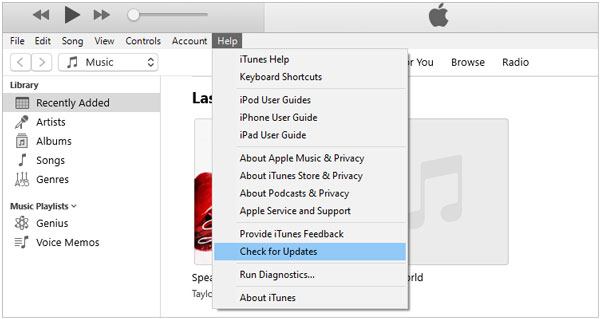
Launch iTunes
Click Help > Check for Updates
Follow the prompts to install the latest version
Target iTunes version: v12.12.9 or later is recommended for compatibility with iOS 26 and newer.
See also:
Fixes for iPhone Cannot Be Used Because It Requires a Newer Version of iTunes
The Backup Can't Be Restore Because Software Is Too Old - How to Fix
Another tip to resolve the iPhone won't sync to computer problem is to restart your iPhone and computer. This can refresh your devices and fix some small technical glitches.
To restart your iPhone:
Go to Settings > General > Shut Down
Wait 30 seconds, then press and hold the side button until the Apple logo appears
For older iPhones with a Home button: Press and hold the top button until "slide to power off" appears
To restart your PC:
Click Start > Power icon > Restart
After both devices restart, reconnect your iPhone and open iTunes.
A damaged or non-certified USB cable is one of the most common physical causes. The iPhone may charge but still not be recognized for data transfer, causing the iPhone won't sync with iTunes issue.
What to check:
Use the original Apple cable or an MFi-certified (Made for iPhone) cable - Cheap cables often don't support data transfer
Try a different USB port - Preferably a port directly on your computer's motherboard (rear ports for desktops)
Avoid USB hubs - Connect directly to the computer rather than through a hub, monitor, or docking station
Clean the charging port - Inspect for lint or debris; clean gently with a dry, non-metal tool(e.g., wooden toothpick)
Pro tip: If the iPhone briefly appears then disappears in iTunes, that often indicates an unstable connection—replace the USB cable.
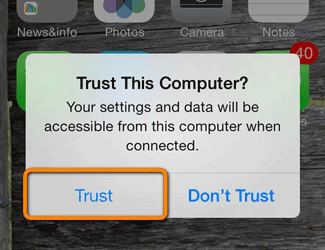
When you connect your iPhone to a computer for the first time (or after a factory reset), iOS requires you to explicitly trust this computer. Without this trust, iTunes cannot access the device.
To fix:
Unlock your iPhone
Connect it to your PC using a USB cable
Look for the "Trust This Computer?" pop-up on your iPhone
Tap Trust and enter your passcode
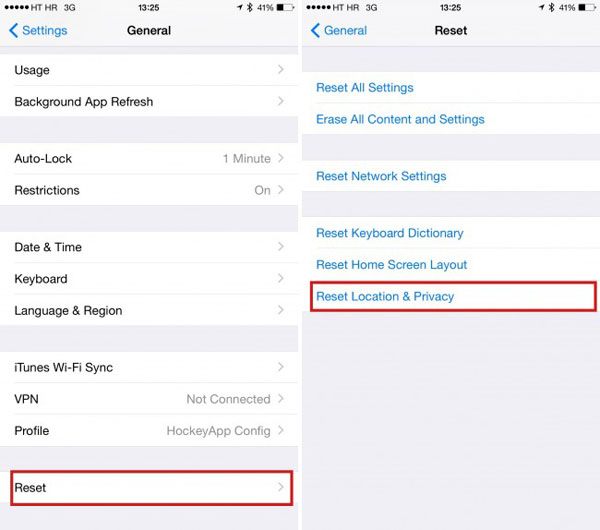
If the pop-up doesn't appear:
Go to Settings > General > Transfer or Reset iPhone > Reset > Reset Location & Privacy
Reconnect the iPhone—the trust prompt should now appear
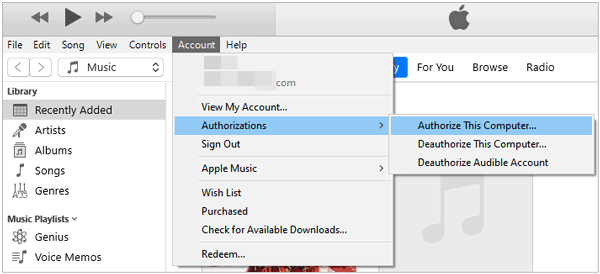
If the sync button is greyed out or you can't sync purchased content, your computer may not be authorized.
How to re-authorize:
Open iTunes with your iPhone connected
Click Account > Authorizations > Authorize This Computer
Sign in with your Apple ID password
Click Authorize and wait for confirmation
iTunes authorization gives you the ability to copy and sync the purchased apps, music, and media files to your iOS devices. Re-authorize iTunes should help to fix iPhone not syncing effectively.
On Windows, a background service called Apple Mobile Device Service is responsible for detecting iPhones. If it's stopped or not running, iTunes won't see your device.
How to restart it:
Press Win + R, type services.msc, and press Enter
Scroll down to find Apple Mobile Device Service
Right-click it and select Restart
If the service is stopped, right-click and select Start
Reconnect your iPhone and open iTunes
If the service fails to start, set its Startup type to Automatic, click Apply, then Start.
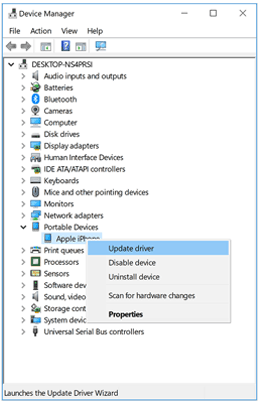
If your PC recognizes the iPhone in File Explorer but not in iTunes, the USB driver is likely corrupted.
How to manually update the driver:
Disconnect your iPhone
Right-click the Start button and open Device Manager
Expand Portable Devices or Universal Serial Bus controllers
Look for Apple iPhone, iPad, or an entry with a yellow exclamation mark
Right-click it and select Update driver
Choose Search automatically for drivers
If that fails, select Browse my computer > Let me pick > Apple Mobile Device USB Driver
Reconnect your iPhone
If the driver is missing entirely:
Uninstall iTunes, then reinstall the latest 64-bit version directly from Apple's website (not the Microsoft Store)
Apple's direct installer includes the driver package, while the Microsoft Store version may cause compatibility issues
After this, open iTunes to see if the iPhone sync problem is resolved.
Third-party antivirus or firewall software (Norton, McAfee, Avast, etc.) can block Apple services and prevent iTunes from detecting your iPhone.
What to do:
Temporarily disable your antivirus/firewall
Keep only Windows Defender active
Try syncing again
Common error codes related to security software: 4, 6, 1630-1641, 3000-3999, 9000-9999
If disabling the software resolves the issue, add iTunes and Apple Mobile Device Service to your security software's whitelist.
See Also:
Full Guide: How to Fix iTunes Error 54?
Full Guide on How to Fix iTunes Error 4005 or iPhone Error 4005
Corrupted sync history can prevent iTunes from syncing correctly.
How to reset:
In iTunes, go to Edit > Preferences > Devices
Click Reset Sync History
Click OK and restart iTunes
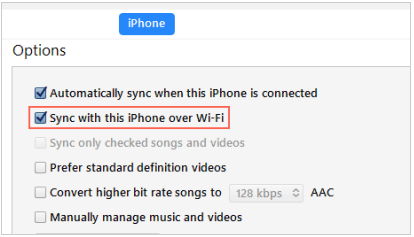
If iPhone won't sync with computer using a USB cable, it is also recommended to try syncing it over Wi-Fi. Make sure that both your computer and iPhone are connected to the same Wi-Fi network.
Here's are the steps: Go the Summary on iTunes > Under Options, click Sync with this iPhone over Wi-Fi > Hit Apply.
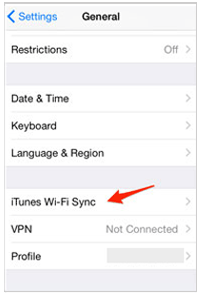
After this, switch to your iPhone and head to Settings > General > iTunes Wi-Fi Sync > Tap Sync now.
If iCloud Music Library (called Sync Library in newer iOS versions) is enabled on your iPhone, manual syncing via iTunes will not work because Apple Music expects to sync music over the cloud instead of via USB.
How to disable it:
On your iPhone, go to Settings > Apps > Music
Turn off Sync Library (or iCloud Music Library on older iOS versions)
Reconnect your iPhone to iTunes, Music sync should now work normally.
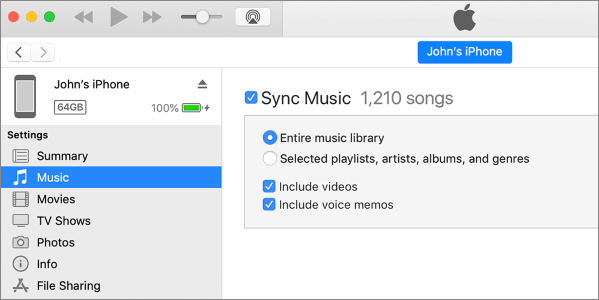
Now on your iTunes, check the box of Sync Music > select Entire music library > Apply.
For a detailed troubleshooting guide on this specific issue, refer to Apple's official support page.
Learn more: How to Transfer Music from iPhone to Computer Effectively
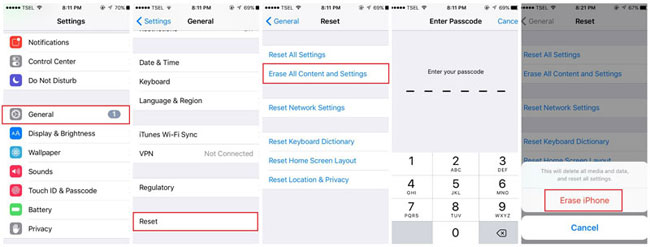
The last resort you can try is to reset your iPhone. This will eraser all the settings and data on your iPhone. Before you start, you should back up your iPhone first.
To reset iPhone:
Tipss: iPhone won't sync with iTunes on Mac? It is possible that your iPhone is failed to be recognized by Mac. You can refer the article How to Fix iPhone Won't Connect to Mac to solve this issue.
If your iPhone still won't sync with iTunes after trying all the solutions above, don't be distressing, you can use an iTunes alternative - Coolmuster iOS Assistant to sync iPhone to iTunes. This professional iOS data managing program aims to give you a hassle-free and stable data transfer experience. With its help, you can back up your files from iPhone to iTunes backup location smoothly and quickly.
Key features of Coolmuster iOS Assistant:
Coolmuster iOS Assistant is fully compatible with iOS devices running iOS 5 to iOS 26, such as iPhone 17/16/15/14/13/12/12 Pro/12 Pro Max/12 mini/11, etc. So you don't have to worry about compatibility issues.


How to sync iPhone with Coolmuster iOS Assistant:
1. Connect iPhone to PC
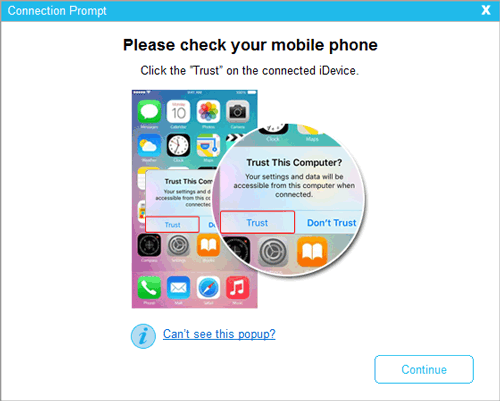
After downloading Coolmuster iOS Assistant on your PC, open it and then connect your iPhone to computer using a USB cord. Tap "Trust" on your iPhone to get it connected with the program successfully.
2. Sync iPhone to iTunes/PC in one click
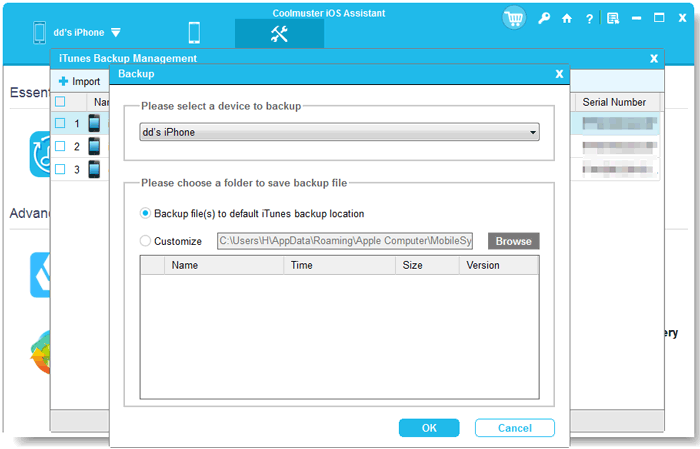
Click the Super Toolkit section from the top interface and click iTunes Backup & Restore > Hit the Backup option. Here, you can choose the location to store the backup, either to the default iTunes backup location or any folder on your computer. After selecting, click OK to begin to back up iOS data.
3. Selectively transfer iOS data to PC for backup
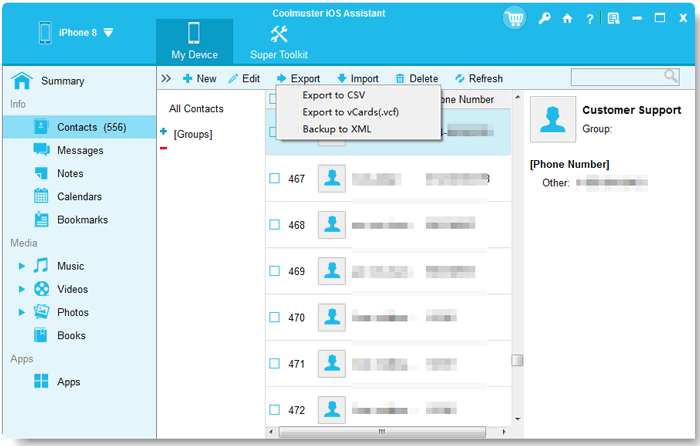
If you want to back up specific file from iPhone to computer, just simply click the data type from the left menu of the program. You can view the files store on your iPhone easily from your computer, tick the files you want to back up and then click the Export button to save them on PC.
Video Tutorial:
Please watch the video guide about iPhone backup and restore with Coolmuster iOS Assistant.
Q1: Why is my iTunes sync button greyed out?
Your computer may not be authorized. Go to Account > Authorizations > Authorize This Computer. Also ensure iCloud Music Library / Sync Library is turned off on your iPhone (Settings > Apps > Music).
Q2: My iPhone charges but doesn't show up in iTunes—what's wrong?
This is almost always a connection or driver issue. Start by:
Using a different Apple-certified USB cable
Trying a different USB port (directly on the computer, not through a hub)
Restarting Apple Mobile Device Service (Windows) or relaunching Finder (Mac)
Q3: How do I get the "Trust This Computer" pop-up to show again?
Go to Settings > General > Transfer or Reset iPhone > Reset > Reset Location & Privacy. Reconnect your iPhone, and the pop-up should reappear.
Q4: Why does iTunes say my iPhone cannot be synced because it's synced with another iTunes library?
An iPhone can only be synced with one iTunes library (or Apple Music/TV library) at a time. If you see the "Erase and Sync" message, syncing with the new computer will replace the existing content.
Q5: My iPhone shows up in iTunes but won't sync music. How do I fix this?
Most likely iCloud Music Library / Sync Library is enabled. Go to Settings > Apps > Music on your iPhone, turn off Sync Library, reconnect to iTunes, and enable manual music sync.
Q6: Can I use iCloud to sync instead of iTunes?
Yes. iCloud can sync photos, contacts, calendars, messages, and other data across devices without a USB cable. However, for local backups and manual music management via USB, iTunes (Windows) or Finder (Mac) is still required.
Q7: iTunes keeps crashing during sync. What should I do?
Try:
Updating iTunes to the latest version
Resetting sync history (Edit > Preferences > Devices > Reset Sync History)
Reducing the amount of data synced at once (sync smaller batches of music or photos)
Using an iTunes alternative like Coolmuster iOS Assistant for large transfers
Q8: Do I need to keep iTunes on my Mac with macOS Catalina or later?
No. iTunes was discontinued on macOS starting with Catalina (10.15). Use the Finder to manage and sync your iPhone.
Q9: My iPhone won't sync over Wi-Fi. How do I fix it?
Make sure:
Both devices are on the same Wi-Fi network
"Sync with this iPhone over Wi-Fi" is enabled (in iTunes on Windows, or Finder on Mac)
Your iPhone is connected to a power source (Wi-Fi sync only works when charging)
No firewall or VPN is blocking the connection
Q10: I've tried everything. What's the last resort?
Back up your iPhone via iCloud or an iTunes alternative, then Reset Location & Privacy on your iPhone, uninstall and reinstall iTunes (Apple direct version, not Microsoft Store), and if all else fails, contact Apple Support.
In this article, we have listed 12 tips for the iPhone sync problems with iTunes. Do the above solutions work for you? Have you got your iTunes syncing back to normal? Welcome to share with us in the comment below.
And if you get tired of using iTunes, you can download Coolmuster iOS Assistant to back up or restore iOS data. It also enables you to selectively transfer files from iPhone/iPod/iPad for a backup. It is your ideal iTunes alternative to manage and sync data.
Related Articles:
iTunes Error 14 or iPhone Error 14? Here's the Full Solution
How to Fix iTunes Error 13014? [9 Methods]








 Download for PC
 Download for Mac

