TL;DR:
Restoring an iPhone can be useful for fixing problems or recovering data, but it is important to know what changes will happen before starting the process. In this article, you will learn:
iPhone users may need to restore their devices for various reasons, such as fixing system errors, resolving performance issues, or preparing the phone for a new user. However, many people hesitate because they are unsure what will happen after restoring an iPhone. Will the restore process delete photos, messages, and other important files? In this article, we will explain the effects of restoring an iPhone, how backup restoration works, and how to recover specific data when needed.
Restoring an iPhone can serve different purposes depending on your needs. In some cases, you may restore your device to reinstall iOS and fix system problems. In other cases, you may restore data and settings from an iPhone backup when switching to a new device or recovering your information.
Generally, you may need to restore your iPhone in the following situations:
1. Fix software issues or system errors
If your iPhone frequently crashes, freezes, runs slowly, gets stuck on the Apple logo, or experiences other system problems, restoring the device can help reinstall the system and resolve certain software-related issues.
2. Prepare your iPhone for sale or transfer
Before selling or giving away your iPhone, you may want to erase the device and restore it to factory settings. This helps remove your personal information and prevents others from accessing your data.
3. Set up a new iPhone with old data
When upgrading to a new iPhone, you can restore your old iPhone backup to transfer important data, including photos, contacts, messages, apps, and settings, to the new device.
4. Recover data from an iPhone backup
If you accidentally lose important data or need to return your iPhone to a previous state, restoring from an iCloud or iTunes/Finder backup can help bring back the saved information.
5. Unlock an iPhone when you forget the passcode
If you forget your iPhone passcode and cannot access the device, restoring the iPhone is one of the official ways to erase the device and regain access.
Before restoring your iPhone, it is important to understand what changes will take place after the process. When you restore an iPhone to factory settings, the device will be wiped completely. All personal content and customized settings saved on the phone will be removed, including photos, videos, text messages, apps, accounts, and system preferences.
Once the restoration is finished, the iPhone will return to the same condition as when it was first purchased. If you have created an iCloud or iTunes backup before restoring, you can use that backup to bring your data and settings back to the device.
How to Restore an iPhone with iTunes:
If you decide to restore your iPhone through iTunes, you can complete the process directly from a computer. Make sure you have the latest version of iTunes installed and follow these steps:
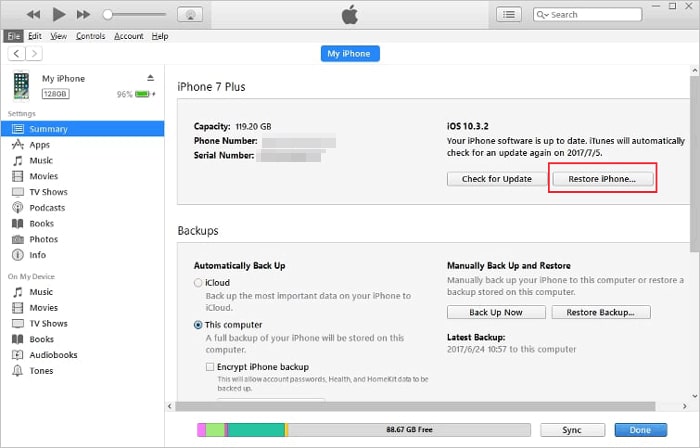
When you restore your iPhone from a backup, the device will use the saved backup file to recover your previous information and settings. This means the data stored in your iCloud backup, such as personal preferences, app data, and system configurations, can be transferred back to your iPhone. Instead of setting up everything manually, you can quickly return your device to a familiar state with your previous settings and content restored.
The steps to restore an iPhone using iCloud backup are as follows:
Step 1. Go to "Settings" > "General" > "Reset" > "Erase All Content and Settings" on your iPhone.
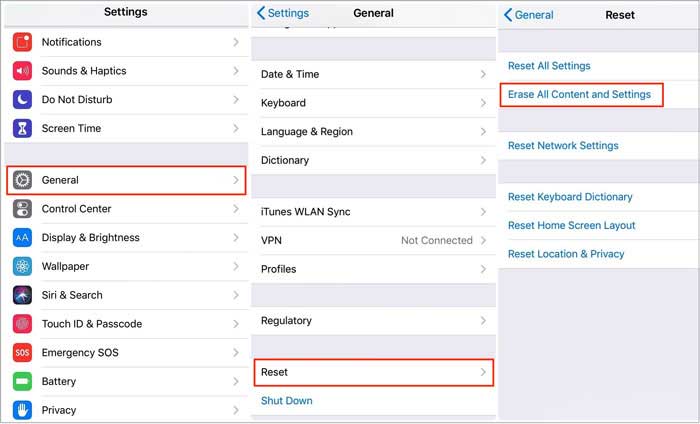
Step 2. Follow the on-screen instructions until you reach the "Apps & Data" screen.
Step 3. Select the "Restore from iCloud Backup" option.
Step 4. Enter your Apple ID and password to sign in to iCloud.
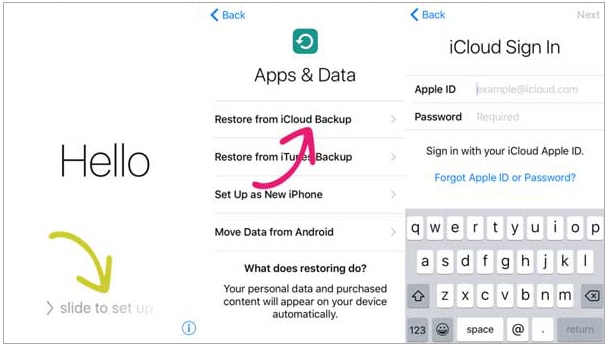
Step 5. Click on the backup you want to restore, then select "Restore" to confirm.
The steps to restore an iPhone from an iTunes backup are as follows:
Step 1. Open the iTunes software on your computer, ensuring it is up to date.
Step 2. Connect your iPhone to the computer using a USB cable. If iTunes does not open automatically, you will need to open it manually.
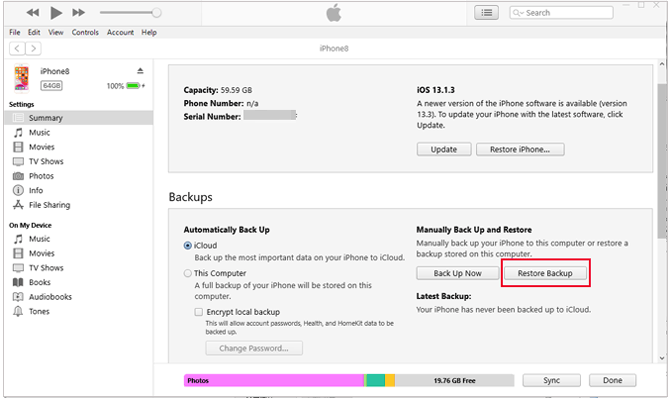
Step 3. Click on the icon of your iPhone, and select "Summary".
Step 4. Click "Restore Backup" and select the backup file you want to restore. If you previously set a password, you will need to enter it and then click "Restore" to initiate the data restoration process.
Restoring an iPhone through a complete iCloud or iTunes backup usually replaces the existing content on your device with the data from the backup. If you only need to recover certain files instead of restoring everything, a selective recovery tool can be a more flexible solution.
With Coolmuster iPhone Data Recovery, you can choose specific files to restore without affecting the current data on your iPhone. The software supports a wide range of iOS data types, including photos, videos, music, contacts, messages, and more. Before recovery, you can preview the available files and select only the items you need.
Highlights of Coolmuster iPhone Data Recovery:
Download the software now and follow the steps below to restore your iPhone.
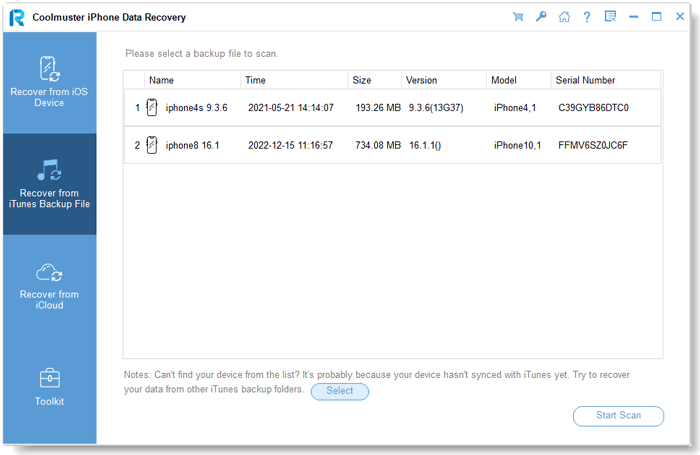
01Launch iPhone Data Recovery. Choose the "Recover from iTunes Backup File" option located on the left side. Select an iTunes backup file, and then hit the "Start Scan" button to initiate the scanning process.
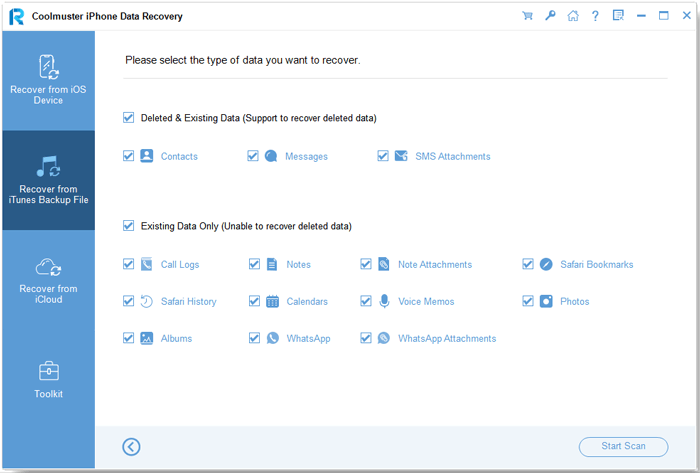
02Please check the data types you want to recover, then click on the "Start Scan" icon in the bottom right corner. This will allow you to preview the iTunes backup files on your computer.
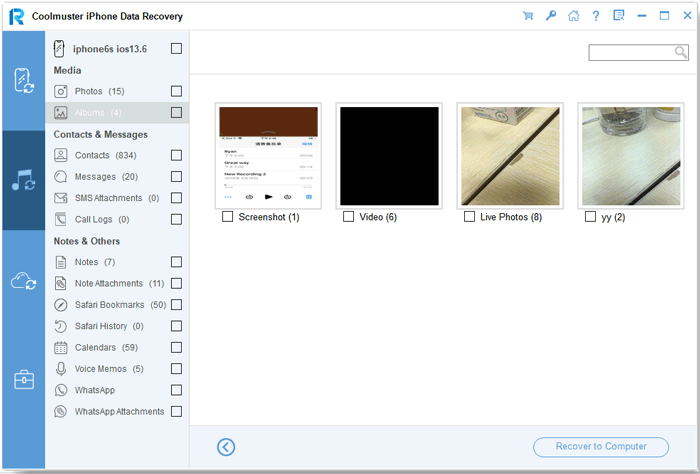
03Click on a category, then select the detailed deleted and existing files on the right side. Finally, click on the "Recover to Computer" icon to start recovering files from the iTunes backup.
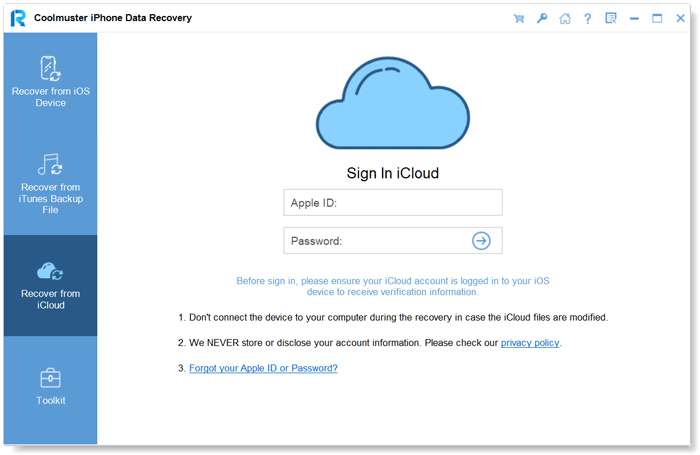
01Open the software and access the "Recover from iCloud Backup" mode. To continue, simply follow the on-screen instructions to log in to your iCloud account.
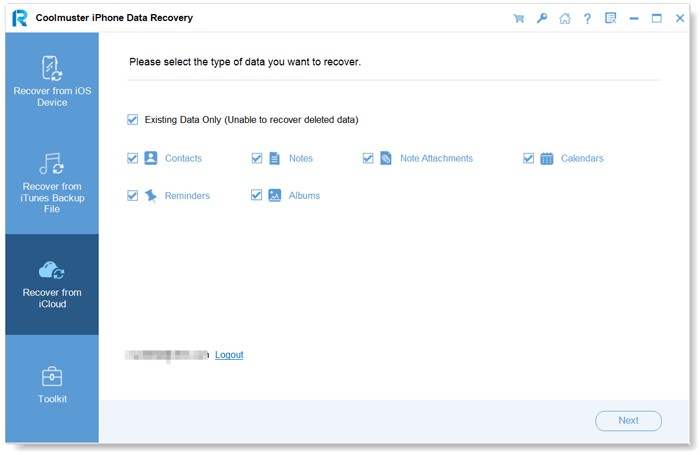
02Please choose the file types you wish to restore, then click on the "Next" icon to initiate a quick scan. This will allow you to preview more detailed information from the iCloud backup files.
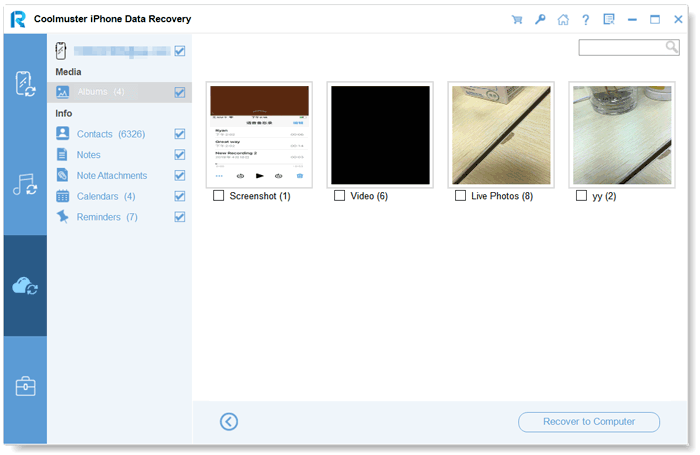
03Choose the files you wish to restore, and then click the "Recover to Computer" button to save the files on your computer.
Video Tutorial:
If you are unable to restore your iPhone to its factory settings using the standard methods mentioned above, you can try using a professional iOS system repair tool as an alternative solution. For example, iOS System Recovery can help troubleshoot various iPhone system-related problems.
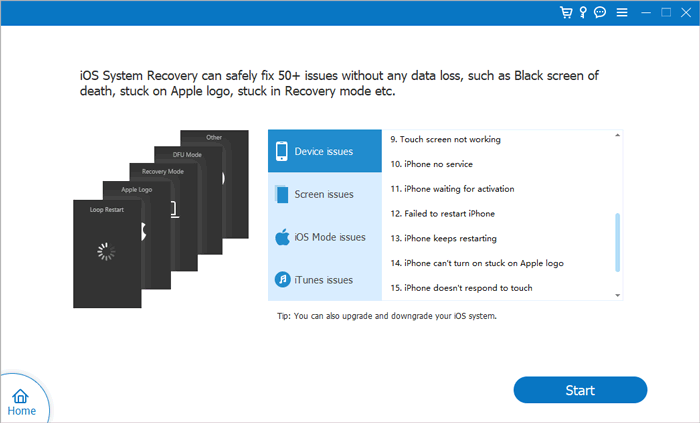
iOS System Recovery is designed to repair common iOS issues without erasing your personal data. It can help fix problems such as an iPhone stuck on the Apple logo, repeated recovery mode issues, device freezing, unexpected crashes, and other system malfunctions.
What can iOS System Recovery do for you?
Here is how to fix the "iPhone cannot be restored" error without losing data:
01Install the software on your computer; it will launch automatically.
02Use a working USB cable to connect your iPhone, select "iOS System Recovery", and click "Start".
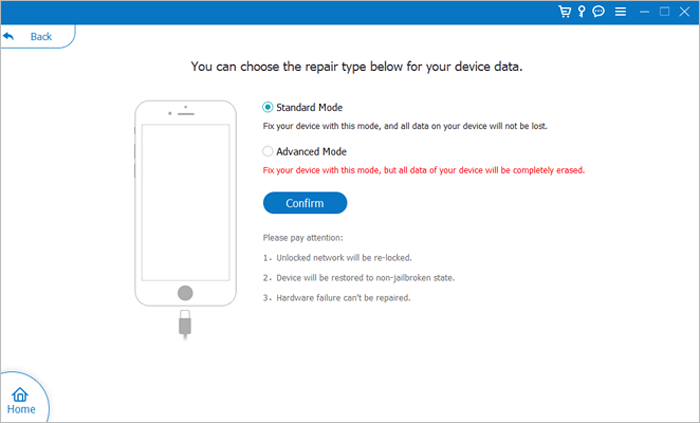
03Choose "Standard" or "Advanced", then click "Confirm".
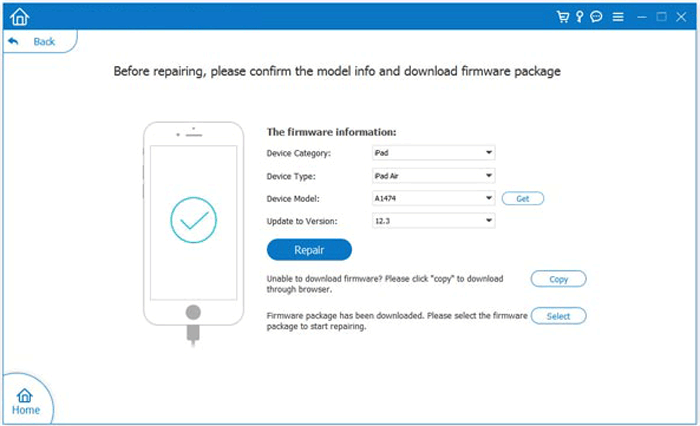
04Verify your device information and click "Repair". Once complete, your iPhone will be restored to normal.
Now that you understand what happens when you restore your iPhone, you can choose the right method based on your needs. While restoring from iCloud or iTunes backup can help recover your data, it may also overwrite existing files on your device. For more flexible recovery, selective restoration tools like Coolmuster iPhone Data Recovery can help you retrieve specific data without affecting your current content, making the process safer and more convenient.
Related Articles:
Do Photos Stay on iCloud if Deleted from iPhone? How to Recover Them?
How Long Does It Take to Restore an iPhone on iTunes/iCloud? (Authoritative & Reliable)
17 Optional Methods to Find the Videos Disappeared from iPhone Back
iPhone Won't Restore? 11 Effective Fixes for Your iPhone Woes






 Free Download for PC
  Free Download for Mac


