Summary: If you've lost files from your iPhone due to a virus attack, this guide will show you the most effective ways to recover your data quickly and safely.
Today, data loss on mobile phones has become increasingly common. Whether caused by accidental deletion or a virus attack, losing important data can be stressful. Although iOS is more secure and closed than Android, many users are not familiar with how it works, making iPhone data recovery seem difficult. The good news is that if your iPhone has been affected by malware or a virus, this guide provides practical solutions to help you recover lost data from a virus-infected iPhone with ease.

Although iPhones are known for their strong security, they are not completely immune to malware or suspicious activities. If your device starts behaving abnormally, it could be a sign of infection. Here are some common symptoms to watch for:
If you notice one or more of these issues, it's important to act quickly. In the next section, we'll show you what to do immediately to protect your data and prevent further damage.
If you suspect your iPhone has been infected by a virus or malware, don't panic. Acting quickly can help protect your personal data and prevent further damage. Here are the key steps you should take right away:
Taking these steps can help you contain the issue and reduce risks. Next, we'll walk you through how to recover your lost data safely from your iPhone.
If you have previously enabled iCloud backup, this is one of the safest and easiest ways to recover your data from iCloud backup after a virus attack. By restoring your iPhone from a clean backup, you can get back important files like photos, contacts, messages, and more.
Steps to Recover Data from iCloud Backup:
Step 1: Go to "Settings" > "General" > "Transfer or Reset iPhone" > "Erase All Content and Settings". This will remove all data, including any potential malware.
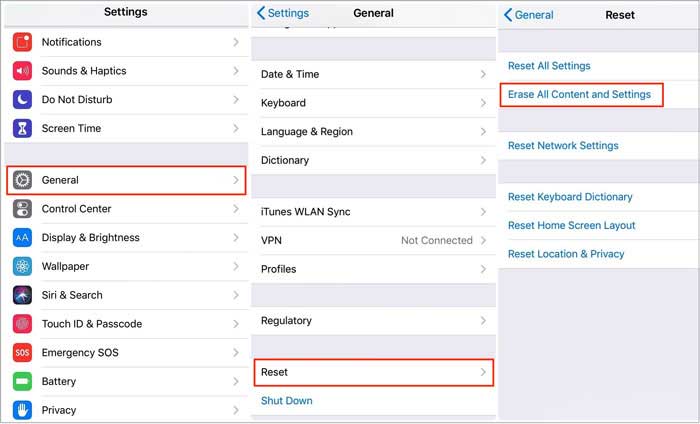
Step 2: After the reset, your iPhone will restart and display the setup screen. Follow the on-screen instructions.
Step 3: When you reach the Apps & Data screen, select "Restore from iCloud Backup".
Step 4: Enter your Apple ID and password, then choose a backup created before the infection occurred.
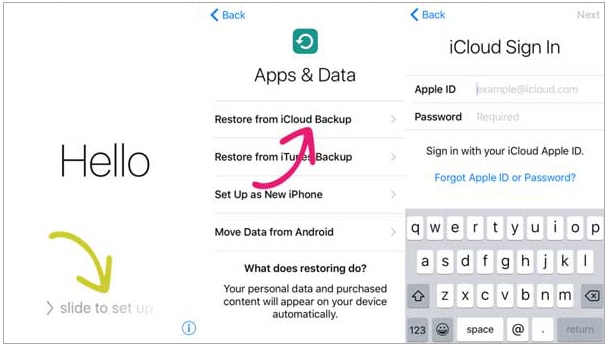
Step 5: Keep your iPhone connected to Wi-Fi and power while the data is being restored.
If you've previously backed up your iPhone to a computer, you can use iTunes (on Windows or older macOS) or Finder (on newer macOS) to restore your data (iTunes Backup Recovery). This method is reliable and works well if your backup was created before the virus infection.
Steps to Restore Data Using iTunes/Finder:
Step 1: Use a USB cable to connect your iPhone to your PC or Mac.
Step 2: On Windows or macOS Mojave and earlier, launch iTunes; On macOS Catalina and later, open Finder.
Step 3: Click your iPhone icon when it appears on the screen.
Step 4: In the Summary (iTunes) or General (Finder) tab, click "Restore Backup".
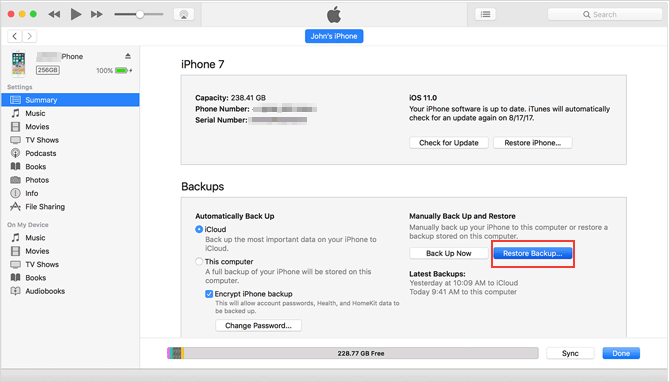
Step 5: Select a backup created before the virus infection, then click "Restore".
Step 6: Keep your iPhone connected until the restore is complete and the device restarts.
If you don't have any backup available, recovering data from an infected iPhone may seem difficult—but it's still possible. With the help of professional tools like Coolmuster iPhone Data Recovery, you can scan your device directly and retrieve lost files safely, even after a virus attack.
This tool is designed to recover lost or deleted iOS data in different scenarios, including virus infection, accidental deletion, system crash, or device damage. It offers a simple and efficient way to get your important files back without relying on backups.
Main characteristics of iPhone Data Recovery include:
Click the button below to download a free trial of Coolmuster iPhone Data Recovery.
Section 1. How to Recover Lost Data on iPhone Without Backup
01Install Coolmuster iPhone Data Recovery
To begin, download and install Coolmuster iPhone Data Recovery on your computer. Connect your iPhone to the computer via a USB cable and launch the software and wait for it to detect your iPhone.
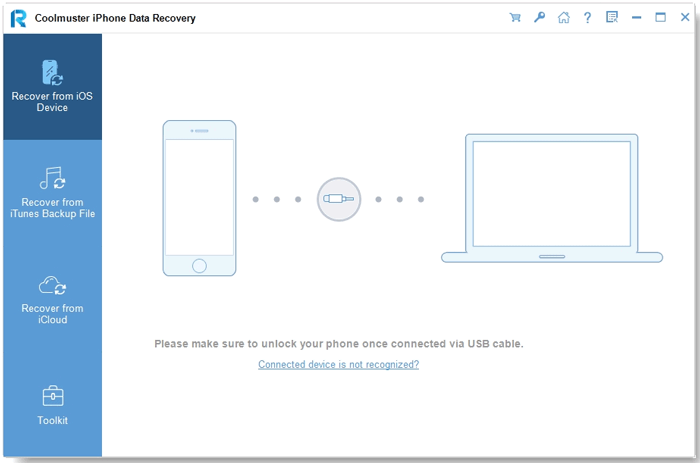
02Scan your iPhone
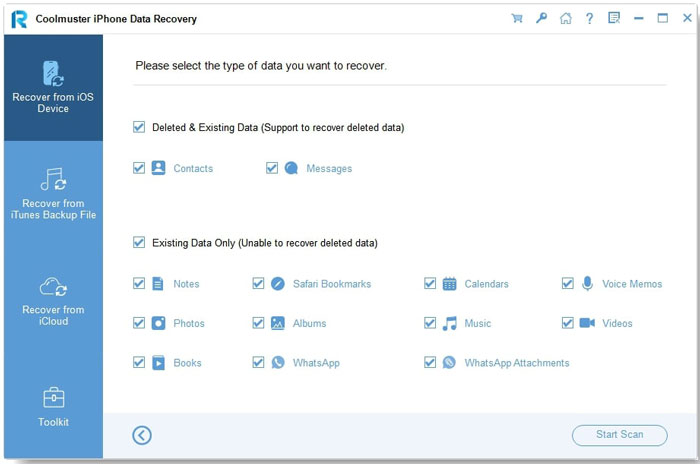
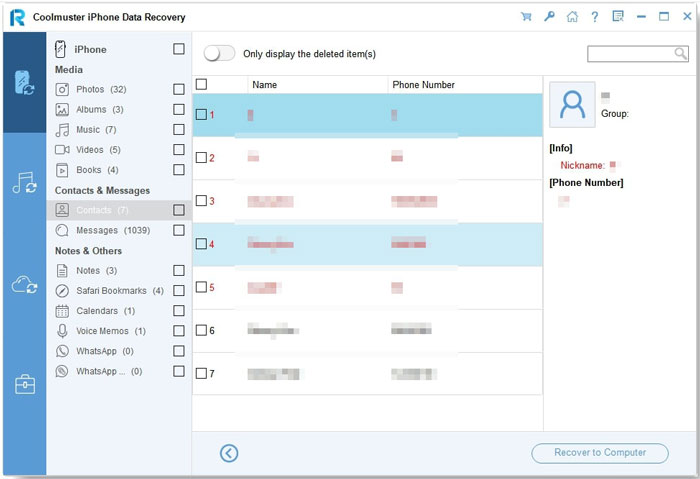
Click on the file types you want to recover and click "Start Scan". After scanning, preview the recoverable data and choose the files you need.
03Recover Lost iPhone Data
After selecting the data you need, click on the "Recover to Computer" button to start the recovery process.
Section 2. Restore Data from iTunes Backup Selectively
01Choose an iTunes Backup File
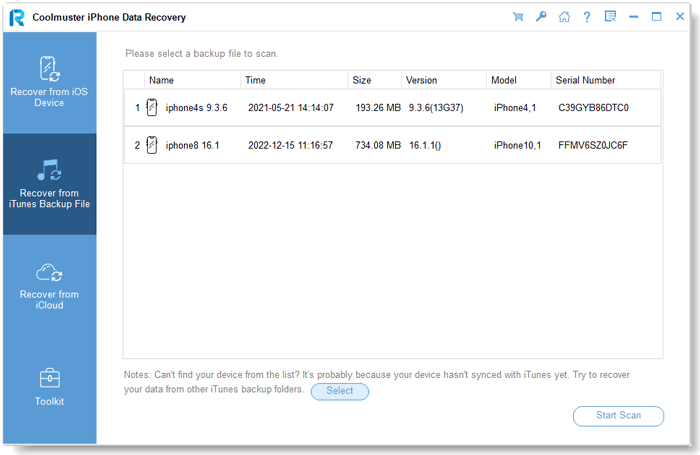
Choose the "Recover from iTunes Backup File" mode, and the program will automatically scan the default iTunes backup location on your computer. Once the scan is complete, select the desired backup file from the list and click "Start Scan" to continue.
02Select Data Types
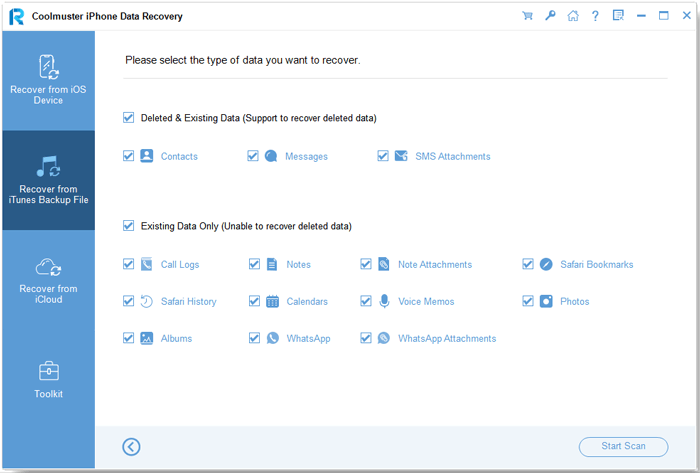
Choose the types of data you want to recover, then click the "Start Scan" button at the bottom right. You will be able to preview the contents of the selected iTunes backup.
03Recover Deleted Data from iTunes backup
After previewing, select the files you need and click "Recover to Computer" to export them to your computer.
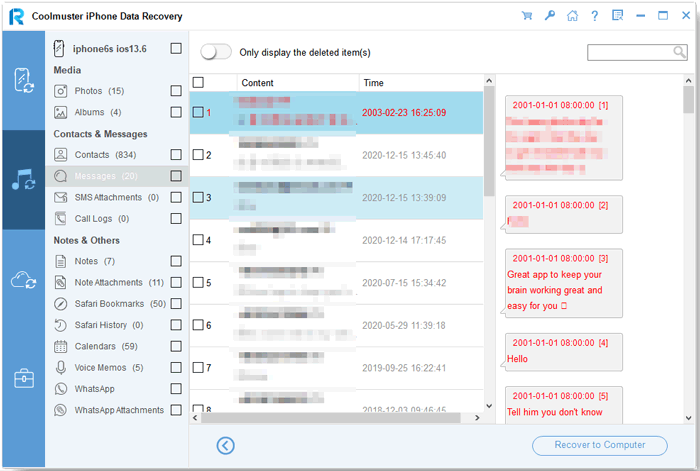
Section 3. Restore from iCloud Backup without Resetting Your iPhone
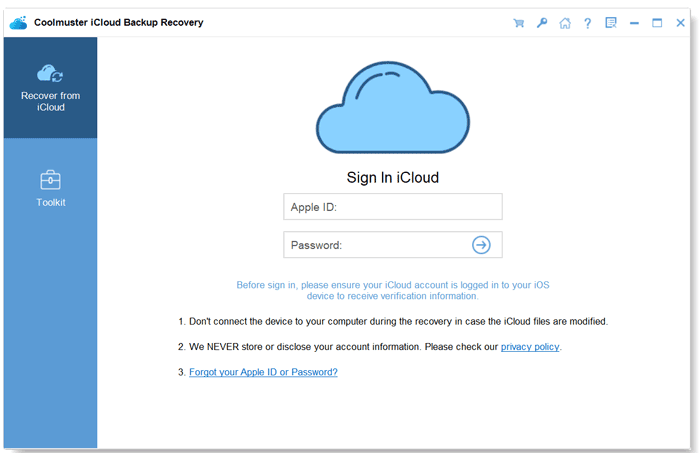
01Log in to Your iCloud Account
Select "Restore from iCloud" from the left panel, then sign in using your iCloud account and password.
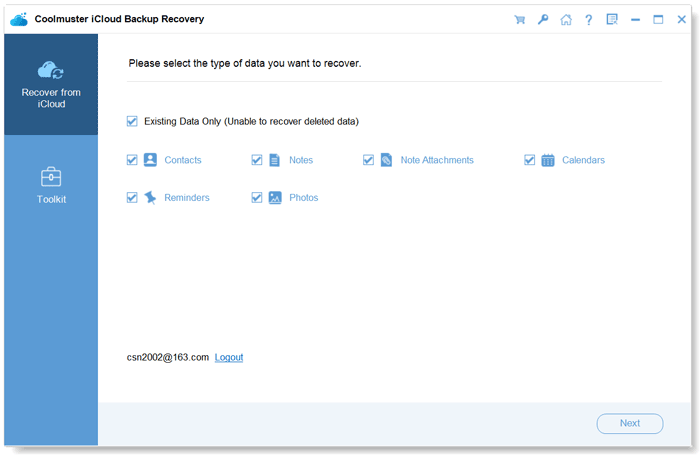
02Select Data Types
After logging in, select the types of data you want to recover and click "Next" to proceed.
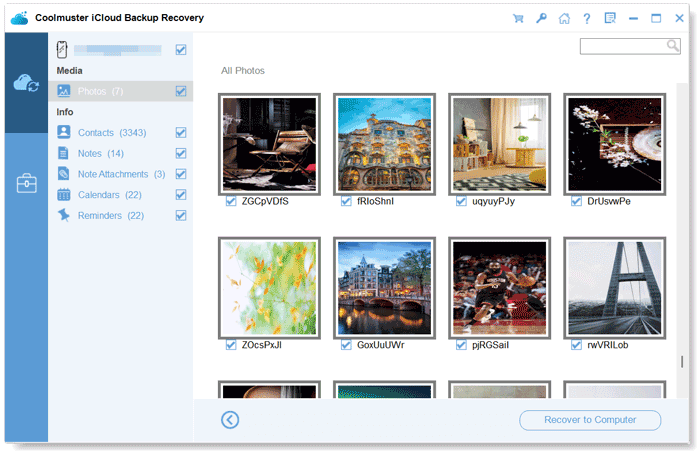
03Recover Data from iCloud backup
Preview the available files, choose what you want to restore, and click "Recover to Computer" to save them locally.
Video Guide:
After recovering your data, the next step is to completely remove any potential virus or malware from your iPhone. While iOS is generally secure, suspicious apps, malicious websites, or configuration profiles can still cause problems. Follow these safe and effective methods to clean your device:
1. Delete Suspicious Apps
Go through your home screen and remove any apps you don't recognize or didn't install yourself.
Steps: Press and hold the app icon, then tap "Remove App".
2. Clear Safari History and Website Data
Malicious scripts often come from unsafe websites.
Steps: Go to "Settings > Safari > Clear History and Website Data" to remove cached files and cookies. (Unable to Clear History After iOS 26 Update?)
3. Check and Remove Unknown Profiles
Some malware installs configuration profiles to control your device.
Steps: Go to "Settings > General > VPN & Device Management" and delete any unfamiliar profiles.
4. Update iOS to the Latest Version
Apple regularly fixes security vulnerabilities through updates.
Steps: Go to "Settings > General > Software Update" and install the latest version of iOS.
5. Reset All Settings
If issues persist, resetting settings can help remove hidden threats without deleting your data.
Steps: Go to "Settings > General > Transfer or Reset iPhone > Reset > Reset All Settings".
6. Factory Reset Your iPhone (Last Resort)
If the problem continues, perform a full reset to erase everything, including malware.
Steps: Go to "Settings > General > Transfer or Reset iPhone > Erase All Content and Settings". Afterward, restore your data from a clean backup.
By following these steps, you can effectively remove viruses from your iPhone and keep your data secure. In the next section, we'll share tips to help you prevent future infections and data loss.
Prevention is always better than recovery. By following a few simple habits, you can greatly reduce the risk of virus infections and protect your important data from loss.
1. Only Download Apps from the App Store
Avoid installing apps from unknown sources or clicking on third-party download links. Apple's App Store reviews apps for security, making it the safest option.
2. Avoid Suspicious Links and Pop-ups
Do not click on unfamiliar links in emails, messages, or websites. Phishing links are a common way malware spreads.
3. Keep iOS Updated
Regular system updates fix bugs and patch security vulnerabilities.
Steps: Go to "Settings > General > Software Update" and keep your iPhone up to date.
4. Enable iCloud Backup
Turn on automatic backups so you can restore your data anytime.
Steps: Go to "Settings > [your name] > iCloud > iCloud Backup" and enable it.
5. Use Strong Passwords and Face ID/Touch ID
Protect your device and accounts with strong passwords and biometric security to prevent unauthorized access.
6. Monitor App Permissions
Check which apps have access to your photos, contacts, and other sensitive data. Revoke permissions that seem unnecessary.
7. Avoid Jailbreaking Your iPhone
Jailbreaking removes Apple's built-in security protections, making your device more vulnerable to malware and attacks.
8. Regularly Check Your Device
Pay attention to unusual behavior like battery drain, unknown apps, or system lag, and take action early.
By building these habits, you can keep your iPhone safe, secure, and free from viruses—while also ensuring your data is always protected.
In conclusion, recovering data from a virus-infected iPhone is possible with the right approach. Whether you use iCloud, iTunes/Finder backups, or a professional recovery tool like Coolmuster iPhone Data Recovery, each method can help restore your important files. More importantly, removing potential threats and adopting good security habits will protect your device from future risks. Always keep regular backups to ensure your data stays safe and recoverable at all times.
Related Articles:
How to Fix iPhone Won't Restore Problem with 6 Ways
How to Restore iPad from iPhone Backup Effortlessly? (3 Undemanding Solutions)
How to Recover Deleted Text Messages on Android (7 Effective Ways)
Recover iMessages from iCloud via 3 User-Friendly Methods [Hot]




 Free Download for PC
  Free Download for Mac


