Jailbreaking an iPad can unlock extra features and customization options, but it often comes with hidden risks. Many users start noticing problems after jailbreaking, such as system crashes, app instability, battery drain, or failed iOS updates. In some cases, a jailbroken iPad may get stuck in recovery mode or stop working properly altogether.
When these issues appear, restoring the jailbroken iPad becomes the most effective way to bring it back to normal. However, the restore process isn't always straightforward. This guide will walk you through what happens when you restore a jailbroken iPad, the safest methods to use, and how to avoid common pitfalls during the process.
1. Restoring will erase all existing data
Restoring a jailbroken iPad removes all personal data, including photos, videos, messages, apps, and settings. If you haven't backed up or exported your data in advance, it cannot be recovered afterward. (How to Restore iPad After Factory Reset?)
2. Not all backups work well with jailbroken devices
Some jailbreak tweaks may prevent iTunes or iCloud from creating a complete backup. Even if a backup exists, restoring from it may reintroduce system conflicts or fail altogether.
3. You cannot choose the iPadOS version freely
Apple only allows restores to iPadOS versions that are currently signed. This means restoring often forces an update, which can permanently close the door to re-jailbreaking.
4. Restore failures are more common on jailbroken iPads
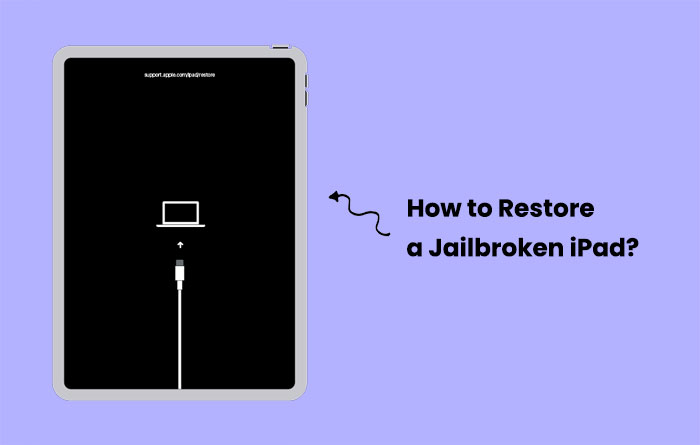
Jailbroken devices are more likely to encounter restore errors, such as being stuck in recovery mode, Apple logo loops, or iTunes not recognizing the device.
5. Some jailbreak-related issues require extra tools to fix
If the iPad is unresponsive or stuck in a system error state, a standard restore may not work. In these cases, additional recovery or repair solutions may be required.
6. Data preparation is more important than the restore itself
Exporting important files before restoring is often safer than relying on backups alone. Preparing your data properly reduces the risk of permanent loss during the restore process. (How to Back Up iPad to Computer?)
This method is suitable if you are using a Windows PC or a Mac running macOS Mojave or earlier. iTunes is Apple's official tool for restoring iOS devices and can completely remove jailbreak files by reinstalling iPadOS. However, this process will erase all data on the iPad and usually upgrade it to the latest signed system version.
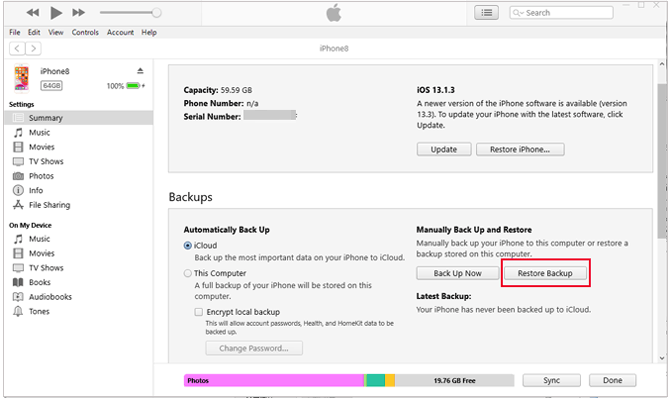
If your Mac is running macOS Catalina or a newer version, Finder replaces iTunes for managing and restoring iOS devices. Finder works similarly to iTunes and is the official method recommended by Apple for restoring a jailbroken iPad on newer macOS systems.
Not all users can restore a jailbroken iPad using iTunes or Finder. Some computers fail to recognize jailbroken devices, while others encounter repeated restore errors. In these situations, using an alternative recovery solution can be more practical, especially when data preservation is a concern.
If your goal is to fix system issues while keeping important files safe, the smarter approach is to recover your data first and then restore the device. A professional recovery tool like Coolmuster iPhone Data Recovery is designed for this scenario, especially when dealing with jailbroken or unstable iOS devices.
Key Features of Coolmuster iPhone Data Recovery:
Steps to Restore a Jailbroken iPad Without Losing Data
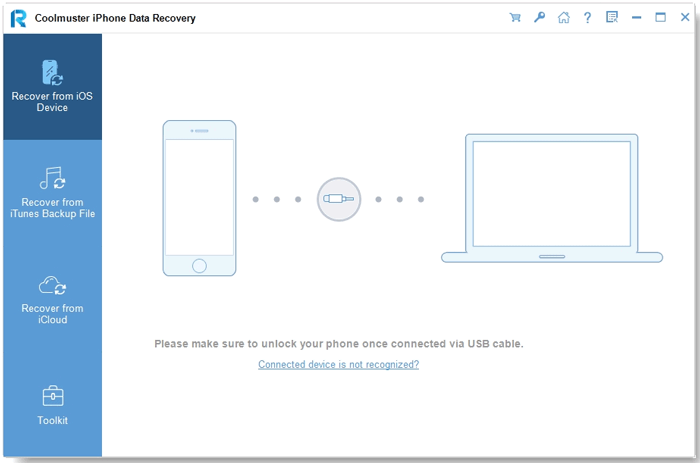
01Install Coolmuster iPhone Data Recovery on your computer. Select either Recover from iOS Device, Recover from iTunes Backup, or Recover from iCloud Backup, depending on where your data may be located. If you choose "Recover from iOS Device", you need to connect your iPad to the computer via USB.
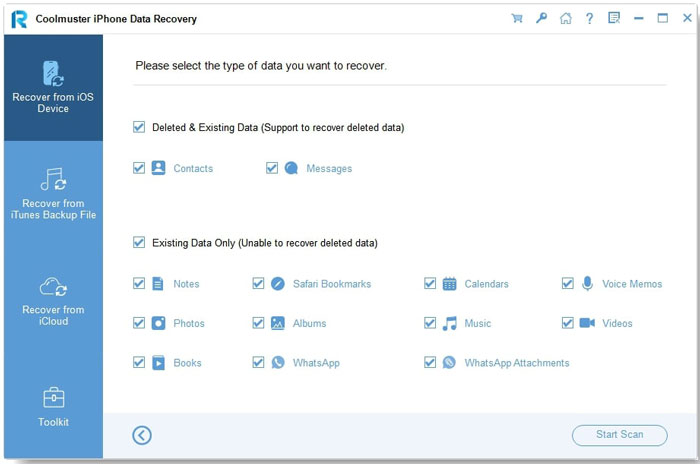
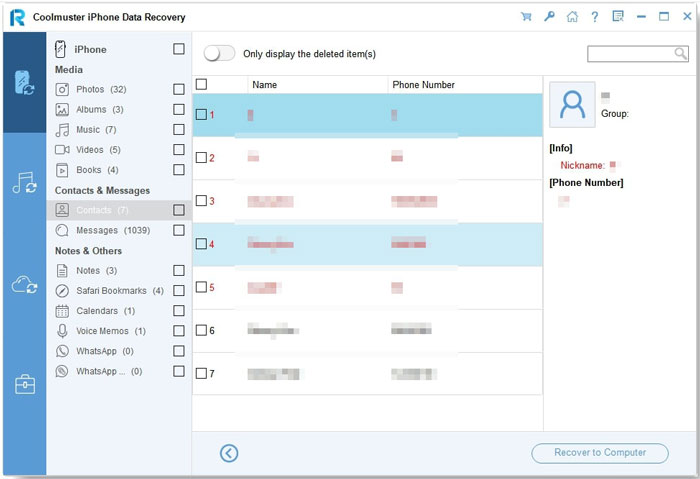
02Choose the types of data you want to retrieve and click "Start Scan" to let the program analyze your device or backup. After scanning, preview recoverable items-both deleted and existing.
03Select the files you want to get back and click "Recover to Computer" to save them to a safe location on your computer.
Video Guide:
Q1. Does restoring a jailbroken iPad remove the jailbreak completely?
Yes. Restoring a jailbroken iPad reinstalls Apple's official iPadOS and removes all jailbreak files, tweaks, and system modifications. After the restore, the device returns to a non-jailbroken state.
Q2. Will restoring a jailbroken iPad erase all data?
In most cases, yes.
Q3. Can I restore a jailbroken iPad without updating iPadOS?
Usually no. Apple only allows restores to currently signed iPadOS versions. This means restoring often forces an update to the latest version. Downgrading is not supported unless specific conditions are met.
Q4. Is it safe to restore a jailbroken iPad?
Yes, restoring a jailbroken iPad is generally safe. The restore process reinstalls Apple's official iPadOS, removes all jailbreak-related modifications, and does not harm the hardware. The main risk is data loss, not device damage, which is why backing up or exporting important data before restoring is strongly recommended.
Q5. Can I re-jailbreak my iPad after restoring it?
It depends.
Restoring a jailbroken iPad is an effective way to fix system instability, remove jailbreak files, and return the device to a normal, secure state. However, the restore process usually erases all data and may force an iPadOS update, which makes preparation essential. Before restoring, always secure important files and understand the risks involved.
If official tools like iTunes or Finder fail, alternative recovery solutions like Coolmuster iPhone Data Recovery can provide more flexibility. By choosing the right method and preparing your data in advance, you can restore your jailbroken iPad safely and with minimal hassle.
Related Articles:
How to Restore iPad from iCloud Backup: Step-by-Step Guide
4 Effective Methods to Recover Deleted Files on iPad Easily




 Free Download for PC
  Free Download for Mac


