TL;DR:
Wondering how long it takes to update your iPhone or why the process is taking forever? This guide will walk you through the iPhone update time, common reasons for slow updates, and effective solutions to speed up the process:
How long does it take to update an iPhone? When a new iOS version is released, many users are eager to try its new features, bug fixes, and security improvements. However, the iOS update process may take longer than expected depending on factors like update size, internet speed, iPhone model, and available storage.
In this guide, we will explain how long an iPhone update usually takes, why your iPhone may be stuck during the update, and what you can do to speed up the process when an iOS update takes too long.
Updating an iPhone involves downloading the iOS update, preparing the files, installing the new software, and setting up the device. The total time depends on several factors, including the update size, internet speed, iPhone model, available storage space, and Apple's server status.
On average, an iPhone update usually takes about 30 minutes. In general, the download process may take 5 to 15 minutes, the installation process takes around 10 to 20 minutes, and the final setup usually takes only a few minutes.
Overall, a complete iPhone update may take approximately 15 to 40 minutes. However, major iOS updates or unexpected issues can make the process last longer. If your iPhone has been updating for an unusually long time, the next section will explain the possible reasons and solutions.
As mentioned in Part 1, an iPhone update usually takes about 30 minutes. However, some users may find that the update process takes much longer than expected. This can happen for several reasons, including:
1. Weak Internet Connection
A stable and fast internet connection is required to download a new iOS update. If your Wi-Fi connection is slow or unstable, the download process may become stuck or take much longer.
2. Insufficient Storage Space
Your iPhone needs enough free storage space to download and install the new iOS version. If your iPhone is running out of space, the update may slow down or fail.
3. Low iPhone Battery
Installing an iOS update requires enough power to complete the process. If your iPhone battery is too low, the update may be paused or delayed. Connecting your iPhone to a charger is recommended during the update.
4. Too Many Background Activities
Background apps and processes may consume system resources while your iPhone is updating. Closing unnecessary apps before starting the update may help improve the process.
5. Software Glitches or System Issues
Temporary software bugs or system problems can sometimes prevent an iOS update from completing normally, causing the update process to take longer than expected.
Although an iPhone update usually takes around 30 minutes, it may sometimes get stuck or take much longer than expected due to network issues, insufficient storage, Apple server problems, or system glitches. Don't worry! There are some fixes to hasten the process. Let's see how to apply every fix.
A stable and fast internet connection is essential when downloading and installing an iOS update. If your iPhone update is taking too long, a weak or unstable Wi-Fi connection may be the reason. Try reconnecting to your Wi-Fi network or switching to a stronger network to improve the update speed.
Here is how to restart the Wi-Fi connection:
Step 1. Open the "Settings" app on your iPhone and tap "Wi-Fi".
Step 2. Turn off "Wi-Fi", wait for a few seconds, and turn it back on.
Step 3. Select your Wi-Fi network and reconnect your iPhone.
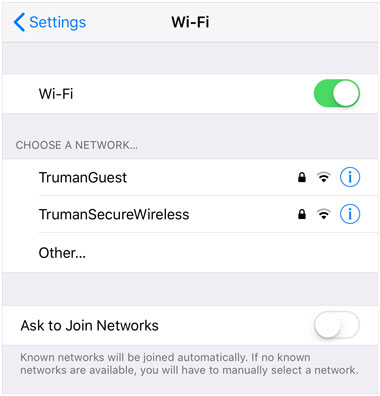
If the problem continues, try moving closer to your router or restarting your router to ensure a more stable connection. (How to Update iPhone Without Wi-Fi?)
If your Wi-Fi connection is working properly but the iPhone update is still taking too long, resetting the network settings may help fix network-related issues. This process will remove saved Wi-Fi passwords, VPN settings, and other network configurations, allowing your iPhone to reconnect with a fresh network setup.
Follow these steps to reset your network settings:
Step 1. Open the "Settings" app on your iPhone.
Step 2. Tap "General", then scroll down and select "Transfer or Reset iPhone".
Step 3. Tap "Reset" and choose "Reset Network Settings".
Step 4. Enter your iPhone passcode to confirm the action.
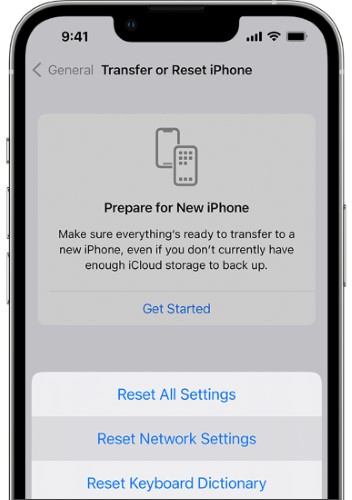
After the reset is complete, reconnect to your Wi-Fi network and try updating your iPhone again. This can help resolve network problems that may be slowing down the iOS update process.
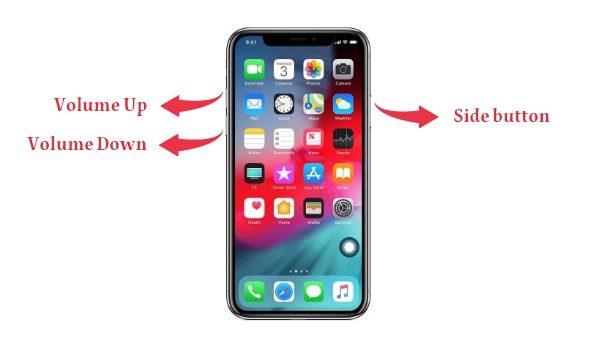
You should also try to fix the new iPhone update takes longer by force restarting. Most of the time, this will address software glitches on the device. During the force restart, an iPhone shuts down and starts again afresh. Here's how to force restart your iPhone:
iPhone 6 and earlier versions:
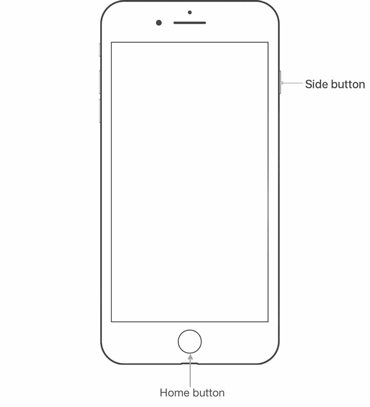
iPhone 7/7+ versions:
iPhone 8 or later versions:
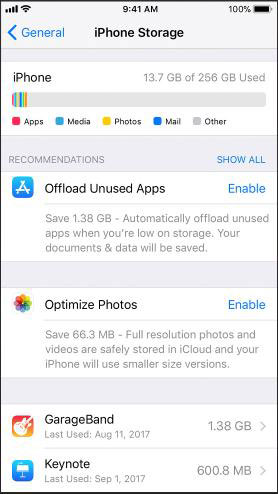
Another reason for iOS updates taking forever is insufficient space on the iPhone. Major iOS updates may require several gigabytes of free space, and having insufficient storage can prevent the update from completing. Thus, if the process takes too long to finish downloading, check the phone's storage. Here is how to check the available storage on your iPhone:
Step 1. Head to "Settings", then "General".
Step 2. Proceed to "iPhone Storage", then check the storage.
If the space is very low, offload some unused applications to create more space. Once done freeing up space, try downloading the new iOS update again.
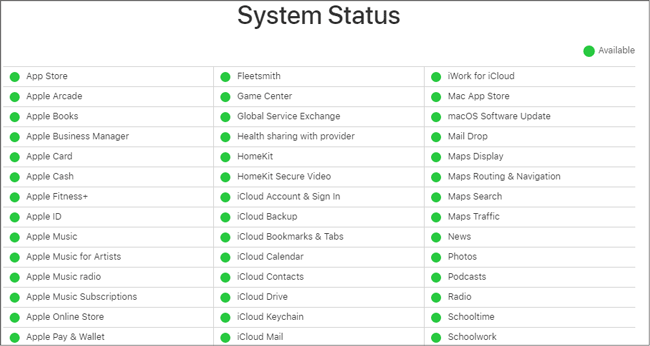
If your problem isn't fixed even after freeing up space on the iPhone, the issue may be with the Apple server. Apple servers may become overloaded when a new iOS version is released, causing slow downloads or failed updates. Therefore, you can wait for the server to be back online and then try redownloading the update again. Alternatively, you can ask Apple Support if your phone has an issue with the Apple server.
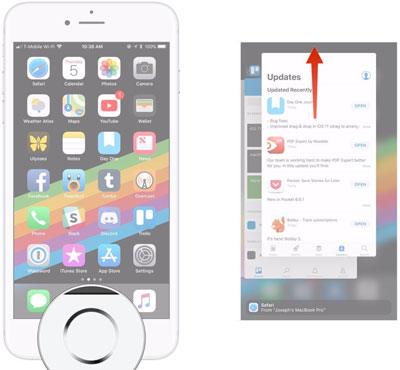
Removing the background apps can also resolve the iPhone taking too long to update. Each application operating on the phone uses the processing space. If the application needs an internet connection, it'll be connected to Wi-Fi or mobile data simultaneously. Closing unnecessary apps can free up system resources and reduce potential interruptions during the update process.
If your iPhone update is still taking too long after trying the previous solutions, you can update your device through iTunes or Finder instead. Updating through a computer can provide a more stable connection and may help avoid issues caused by slow Wi-Fi or failed over-the-air updates.
Before starting, make sure you have the latest version of iTunes installed if you are using a Windows PC. For Mac users running macOS Catalina or later, you can use Finder to update your iPhone.
Step 1. Connect your iPhone to your computer with a USB cable and open iTunes (Windows) or Finder (Mac).
Step 2. Select your iPhone when it appears in iTunes or Finder.
Step 3. Click "Check for Update" under the "Summary" tab (iTunes) or "General" tab (Finder).
Step 4. If a new iOS version is available, click "Download and Update" and follow the on-screen instructions to complete the process.
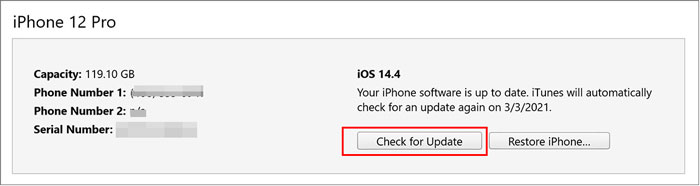
Your computer will download and install the latest iOS update on your iPhone, which can be a useful alternative when a wireless update is slow or gets stuck.
If a software problem makes the iOS update take too long or not updated, the above solutions won't help. In such a case, you should use iOS System Recovery to update your iPhone without losing data in Standard Mode. All it takes is a few clicks.
Moreover, iOS System Recovery can fix system problems on all iOS devices, such as being stuck in recovery mode, black and white screen, etc. With its two repair modes, you can fix any issue with iOS devices without a hurdle.
Top Features of iOS System Recovery:
How long does it take for an iPhone to update using this application? The actual time depends on your internet speed and firmware size, but the process is generally straightforward. Check the steps below:
01Download the program on the PC and launch it. Select iOS System Recovery. Connect the iPhone to the PC using USB. Tap Trust on your iPhone.
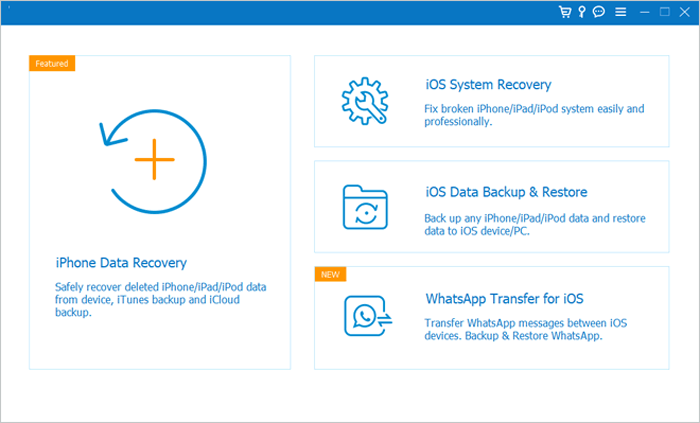
02Hit Start on the next screen after checking the several issues the tool can fix.
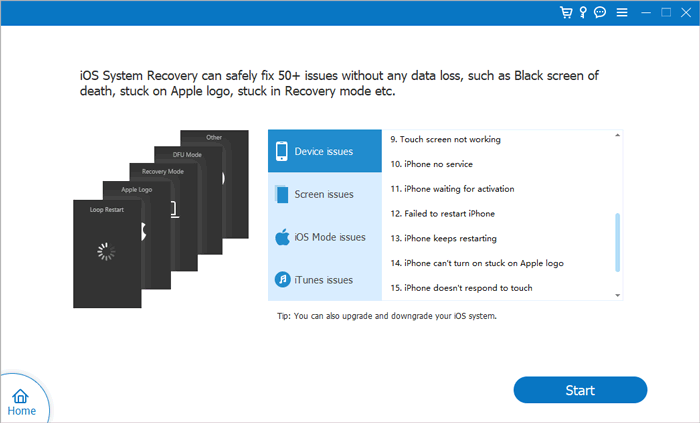
03Choose the mode to repair the device. Go with Standard Mode, which will not erase the data on your device. Then, click Confirm to continue.
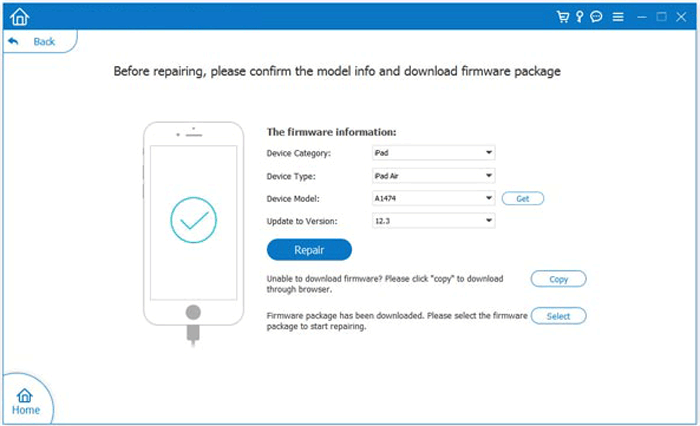
04You'll see the detected device information on the screen, such as the Type, Model, and Category of your device. If it's not correct, change it. After that, click Repair to download the correct firmware for the phone and update it.
How long does the iOS update take? Here, we have known the answer. Besides, we also learned some effective ways to troubleshoot an iPhone device when it seems to be taking forever to update. Hopefully, it has helped you. In addition, if you want a solution that offers a seamless and hassle-free experience, seek the aid of iOS System Recovery.
Related Articles:
Unable to Check for Update on iPhone/iPad? 8 Easy Fixes Here
How to Fix iPhone Software Update Failed? [8 Quick Tricks]
How Long Does iOS 18/26/27 Take to Install? Find the Answer Here!
Troubleshooting for iPhone Stuck on Preparing Update [Top 10 Fixes]




 Free Download for PC
  Free Download for Mac


