TL;DR:
Back up your iPhone effectively by understanding iCloud storage needs and managing your data properly.
Backing up an iPhone is an essential step to prevent data loss, and iCloud is one of the most widely used solutions for doing so. However, many users may wonder: how much iCloud storage is actually needed for a backup?
Apple only provides 5GB of free iCloud storage, but is it enough for your daily use? In this article, we will explain how much iCloud storage is required for iPhone backup, what factors affect storage usage, and how to choose the right iCloud storage plan for your needs.
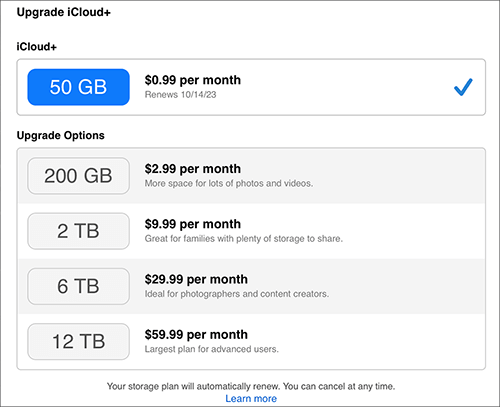
Apple offers several iCloud storage plans designed to meet different backup and cloud storage needs. The best plan for you depends on how much data you store on your iPhone, including photos, app data, and system backups.
If you want to cancel iCloud storage, here is an article for you. After reading it, you can easily cancel iCloud storage on your iPhone/iPad/Mac/PC.
[Solved] How to Cancel iCloud Storage on iPhone/iPad/Mac/PCBefore deciding how much iCloud storage you need for a backup, it’s important to understand how much data is currently stored on your iPhone and how much iCloud storage is available. These two factors directly determine the size of your iCloud backup.
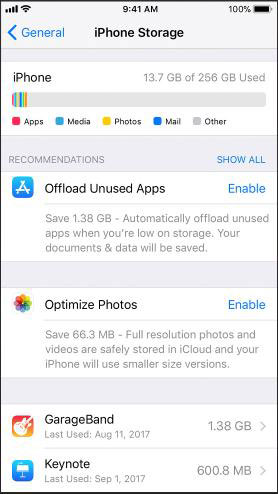
Your iPhone storage usage gives you a clear idea of how large your iCloud backup may be.
The more data your iPhone stores, the larger your iCloud backup will be.
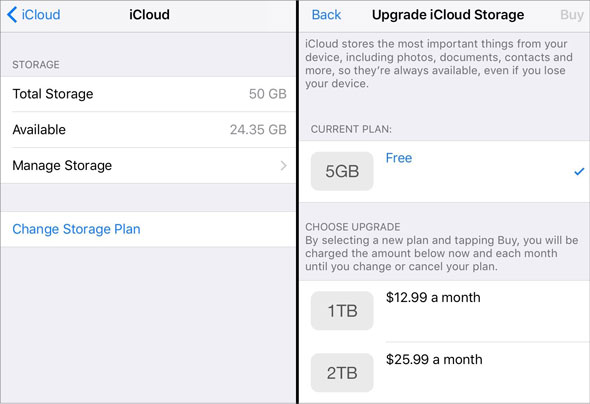
Next, you need to check how much iCloud storage you currently have available.
How to check iCloud storage:
This helps you understand whether your current iCloud plan is enough for a full backup.
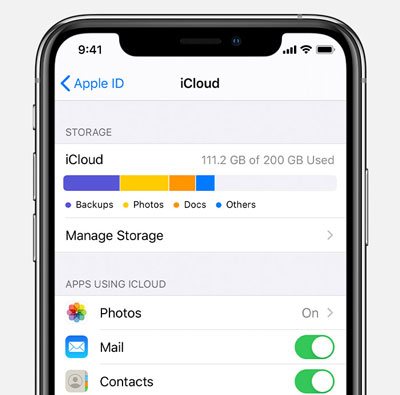
To estimate your backup needs, compare: Total iPhone storage used vs. Available iCloud storage. General guideline:
If you find your iCloud storage is not enough, the optimal solution is to buy additional storage. Upgrading ensures your iPhone can be fully backed up without interruptions or storage errors. Follow these steps:
Once you understand how much iCloud storage you need for a backup, the next step is learning how to manage and free up iCloud storage space effectively. This helps prevent storage from filling up too quickly and ensures smoother iPhone backups.
One of the key steps in optimizing your iCloud storage is decluttering unnecessary data. Follow these simple steps to identify and delete files, photos, and documents, freeing up valuable space and ensuring your iCloud storage is used efficiently.
Managing old backups is crucial to maintaining an organized and optimized iCloud storage. Follow these steps to identify and delete outdated backups, ensuring that your storage space is prioritized for the most recent data.
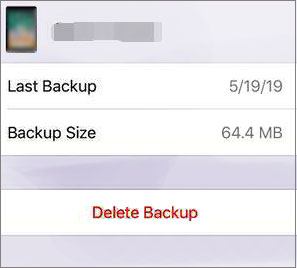
To prevent unnecessary backups, go to "Settings", tap your name, select "iCloud", and then "iCloud Backup". Toggle off apps or data categories you don't need to back up.
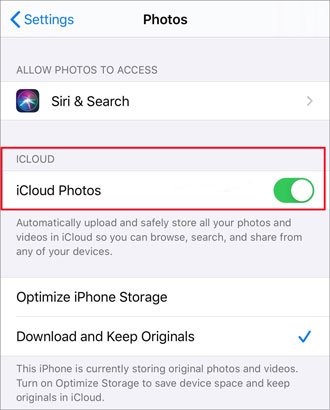
The "Optimize iPhone Storage" feature is a smart way to manage your photo and video storage, ensuring that your device doesn't become bogged down with large media files. Follow these steps to enable and benefit from this space-saving feature.
Many iPhone users notice that their iCloud storage runs out much faster than expected, even if they don’t store a large number of files. This usually happens because multiple types of data are continuously syncing and accumulating in iCloud without being noticed.
4.1 High-Resolution Photos and Videos
Photos and videos are the biggest contributors to iCloud storage usage. Modern iPhones capture high-resolution images and 4K videos, which take up significant space, especially when iCloud Photos is enabled.
4.2 Multiple Device Backups
If you use more than one Apple device (such as an iPhone and iPad), each device creates its own iCloud backup. These backups can quickly add up, especially if old backups are not removed regularly.
4.3 App Data and Social Media Files
Apps like WhatsApp, iMessage, Instagram, and other social platforms store large amounts of data in iCloud, including chat history, attachments, images, and videos.
4.4 System Data and Automatic Backups
iCloud also backs up system settings, device configurations, and app data automatically. While each backup may seem small, they accumulate over time and contribute to storage usage.
4.5 iCloud Drive and Shared Files
Files stored in iCloud Drive, including documents, PDFs, and shared folders, also take up space. If you frequently use cross-device file sharing, this can become a hidden source of storage usage.
Besides iCloud, another reliable way to back up your iPhone is by using a computer-based solution. This method is especially useful if you are running out of iCloud storage or want more control over your backup files. A popular option is Coolmuster iOS Assistant, which allows you to back up and manage iPhone data directly on your computer without relying on iCloud storage limits.
Key Benefits of Using Coolmuster iOS Assistant:
How to Back Up iPhone to Computer Using iOS Assistant:
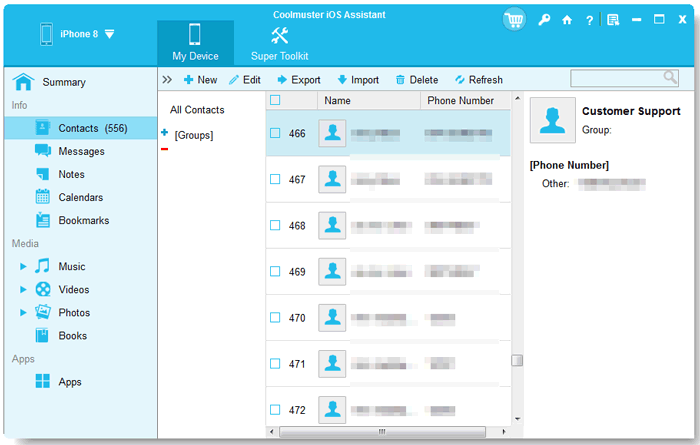
01Download, install, and launch Coolmuster iOS Assistant on your computer.
02Use a USB cable to connect your iPhone to the computer. Once detected, the software will automatically display your device data.
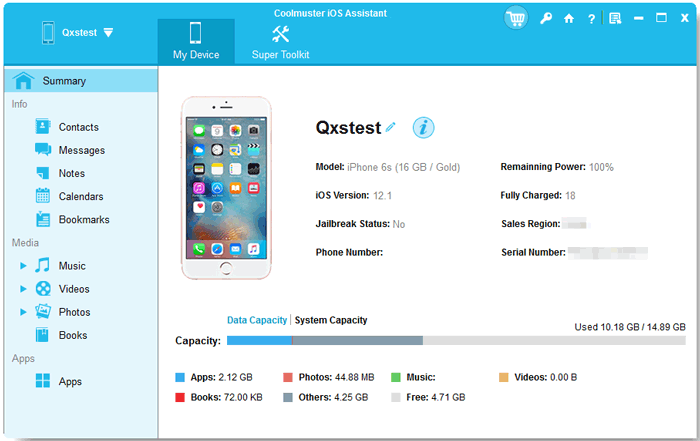
03From the left panel, choose the data categories you want to back up, such as photos, contacts, or messages. Preview the files if needed and click the "Export" button to save selected files to your computer.
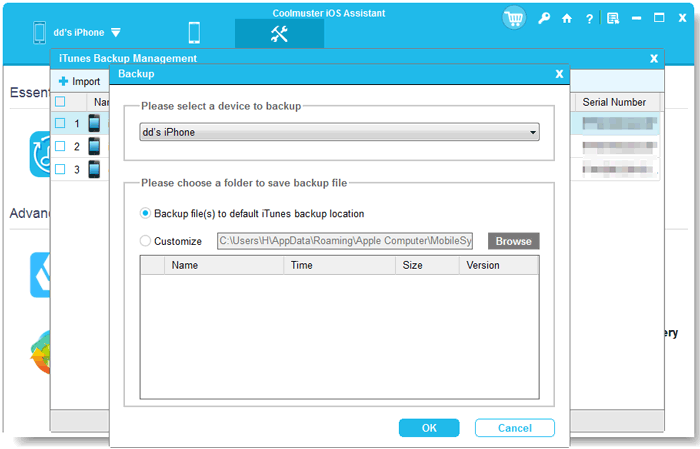
04To back up entire iPhone, go to "Super Toolkit" > "Backup & Restore" >"Backup". Select your device from the drop-down menu, choose a location to store your backup file, and then click "OK" to start the backup process.
Video Tutorial:
Understanding how much iCloud storage is needed for a backup depends on your device usage, data type, and storage habits. By checking what affects your iCloud storage usage, you can choose the right plan more easily and avoid running out of space. It is also recommended to regularly monitor and manage your iCloud storage to ensure it continues meeting your backup needs.
If you prefer a more flexible solution without iCloud storage limits, Coolmuster iOS Assistant allows you to back up your iPhone directly to a computer, giving you more control over your data.
Related Articles:
How to Fix iPhone Storage Full but Nothing on Phone? [9 Tips]
How to Get More iPhone Storage Not iCloud? Solved in 6 Ways
6 Best Cloud Storage for iPhone in 2026 [Comprehensive Review]
iCloud Backup Failed | iPhone Not Backing Up to iCloud (14 Fixes)







 Free Download for PC
  Free Download for Mac


