"Earlier today, while using my iPhone 13 Pro Max for work as usual, I suddenly noticed yellow horizontal line glitches flashing on the upper and lower edges of my screen while chatting with my colleagues. Within minutes, the entire screen was covered with these yellow lines, making it completely unusable—I couldn't see anything or even restart or shut down my phone".
- from Apple Community
In daily use of an iPhone, some users may notice that the screen color suddenly turns yellow, making it look less clear and transparent than before. This issue, commonly referred to as the "iPhone yellow screen", not only affects the visual experience but may also lead to the misconception that the screen hardware is aging or damaged. In fact, in most cases, the yellowing of the iPhone screen is not a serious malfunction, but rather caused by system settings, display features, or environmental factors.
This article will explore the common reasons for the iPhone yellow screen of death and provide several simple and effective solutions to help you quickly restore the normal screen display.
Why is my iPhone screen yellowish? Before attempting to fix the iPhone yellow screen issue, it's important to first understand the causes of the iPhone yellow screen of death. Here are some of the most common scenarios:
* Wrongly set Night Shift mode that's causing iPhone 17 to have a yellow screen.
* True Tone Display may also be a culprit behind the yellow tint on your iPhone's screen.
* The operating system is outdated, or there is a bug in your iPhone.
* The iPhone's hardware is damaged, leading to a yellow screen/tint.
* Auto Brightness settings can make the device change its screen color.
Here are ten effective ways to fix the iPhone yellow screen of death. You can try them one by one.
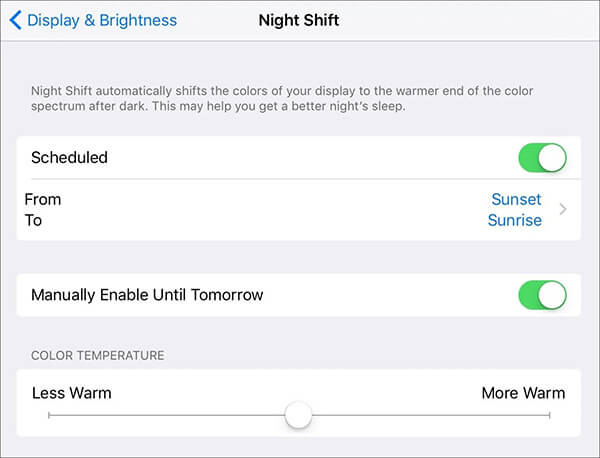
Night Shift is a feature that was introduced in 2016 on iOS 9.3 to dim the amount of blue light emitted from phones at night, making it easy on the eyes. While this mode may look appealing, it sometimes does not seem to work correctly. Since the mode automatically adjusts colors being shown to warmer colors, it can generate an iPhone screen yellow tint. Therefore, you should turn off this feature and see if that solves the issue. Here is how to turn off the Night Mode feature:
Step 1. Head to your "Settings" on your iPhone.
Step 2. Proceed to "Display & Brightness".
Step 3. Select "Night Shift", turn off "Manually Enable Until Tomorrow", and disable "Scheduled" if it's enabled.
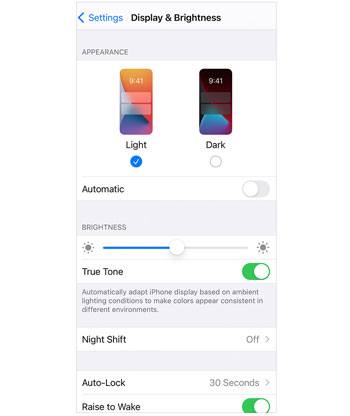
True Tone automatically adjusts the iPhone's color balance based on the ambient light. In certain environments, this can result in a noticeable yellowing of the screen. Turning it off often shows an immediate improvement in the display. Do this to disable the True Tone:
Step 1. Start by opening the "Settings" app.
Step 2. Then navigate to "Display & Brightness".
Step 3. If "True Tone" is enabled, just toggle the slider from green to grey to turn it off.
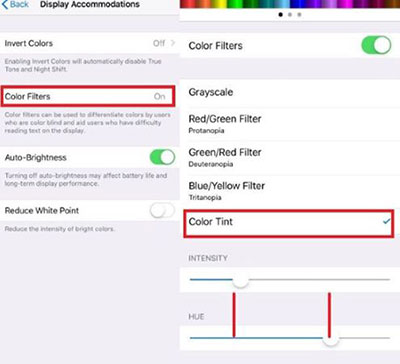
If neither the Night Shift nor True Tone settings are causing the iPhone yellow screen issue, you can try adjusting the Color Tint settings on your iPhone.
To do this, follow the steps below:
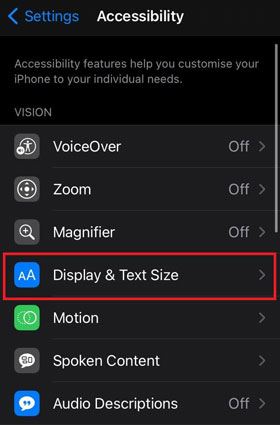
Step 1. Go to "Settings" > "Accessibility" > "Display & Text Size".
Step 2. Tap on "Color Filters".
Step 3. Turn off "Color Filters". If you still need to use them, you can adjust the Tint slider until you achieve a more neutral color.
The Auto-Brightness feature adjusts the screen brightness based on the surrounding light, which can sometimes make the screen appear yellowish. Turning it off may help eliminate the iPhone yellow screen issue.
To do this, follow the steps below:
Step 1. Open "Settings" > "Accessibility".
Step 2. Tap "Display & Text Size", then toggle off "Auto-Brightness".
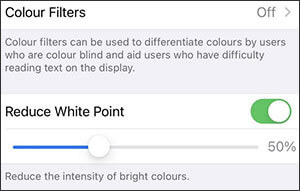
iPhone offers a Reduce White Point feature to help users reduce brightness and decrease harsh white light. If this feature is overly adjusted, it may cause the screen to appear yellowish.
Here is how to adjust the White Point settings:
Step 1. Go to "Settings" > "Accessibility" > "Display & Text Size" > "Reduce White Point".
Step 2. If this feature is enabled, try adjusting the slider until the color returns to normal. You can also directly turn it off.
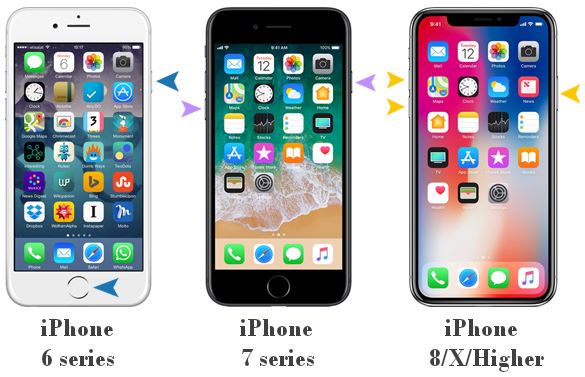
Temporary system glitches can trigger display issues, including the iPhone yellow screen of death. A force restart refreshes system processes.
Here is how to force restart the iPhone:
For iPhone 8 and newer:
For iPhone 7 and iPhone 7 Plus:
For iPhone 6s and earlier:
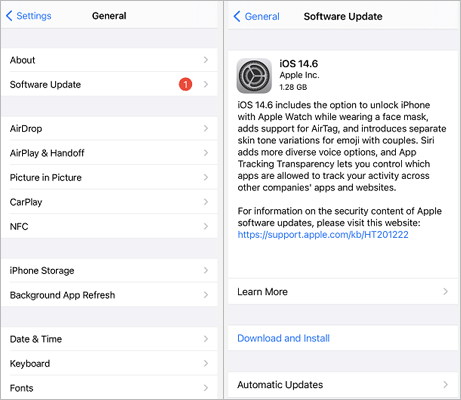
If the iPhone's yellow screen is caused by a system bug, updating the system is often an effective solution. Before a software update, ensure your phone is connected to a Wi-Fi network and has a sufficient charge of 50%.
Here is how to update your iPhone to the latest iOS version:
Step 1. Head to the "Settings" on your iPhone.
Step 2. Choose "Software Update".
Step 3. Check for any updates available. If there's an update, it'll show on the screen.
Step 4. Click the "Install Now" option to download the update. Wait patiently for the process to finish.
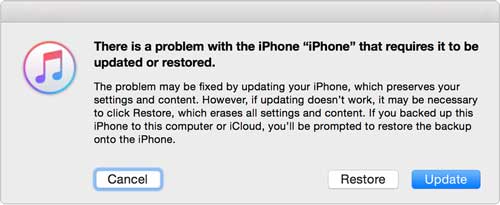
If the iPhone yellow screen issue persists, you may need to restore your iPhone in Recovery Mode using iTunes or Finder. Please note that this process will erase your data, so make sure to back up your device beforehand. Follow these steps to fix the problem:
Step 1. Power off your iPhone and connect it to your computer using a USB cable.
Step 2. Put your device into Recovery Mode by pressing and holding the appropriate button.
Step 3. Once your device enters Recovery Mode, open iTunes or Finder on your computer.
Step 4. In the pop-up window, click the "Restore" button to begin restoring your device.
If the iPhone's yellow screen of death issue persists, the problem is likely rooted in deeper iOS system corruption rather than a simple configuration issue. In this case, professional repair tools become necessary. iOS System Recovery is specifically designed to diagnose and fix various iOS system issues, including the iPhone yellow screen of death, without erasing your data.
Key features of iOS System Recovery:
Here is how to fix the iPhone yellow screen of death without losing data:
01Download and install the software on your computer. After that, launch it and click on "iOS System Recovery".
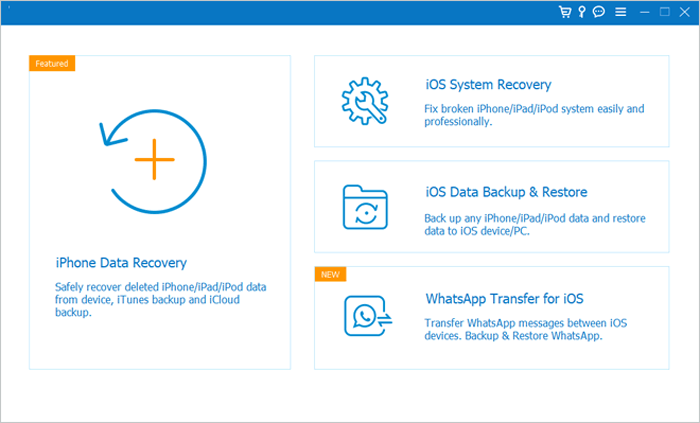
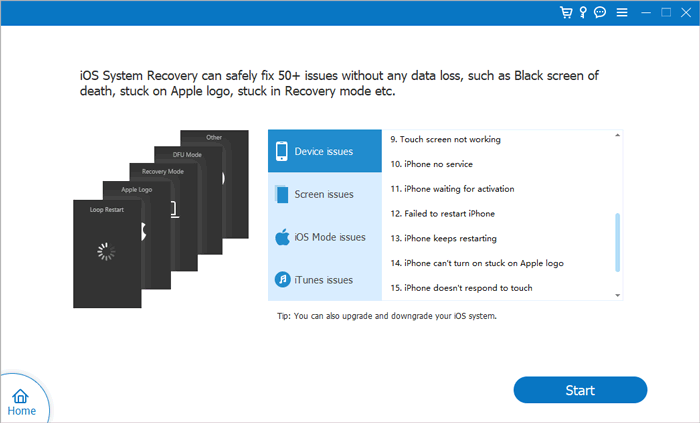
02Connect your iPhone to the computer with a lightning cable, click "Trust" as prompted, then tap the "Start" icon.
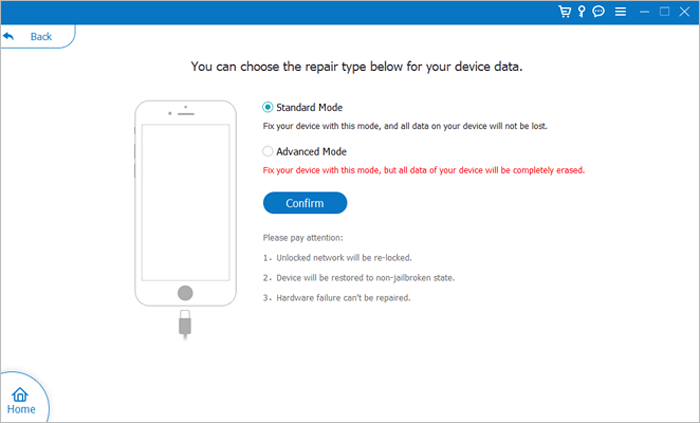
03Ensure your device information, like name, model, etc., is correct, then choose the recovery mode you want to use to repair your device, either Standard Mode or Advanced Mode. You can choose Standard Mode, which doesn't erase your data. After doing that, click on the "Confirm" icon.
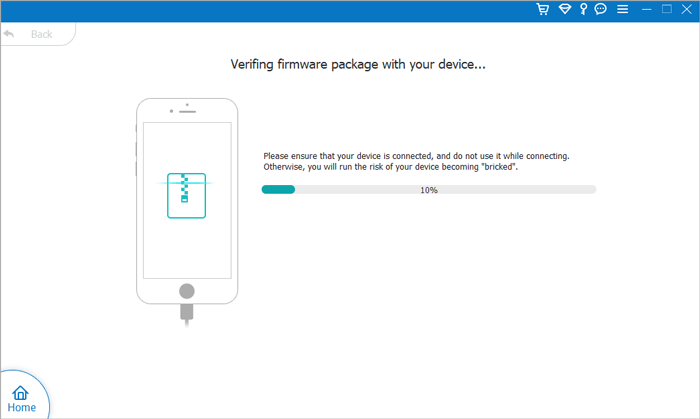
04Hit the "Repair" button at the lower part of your screen to download the firmware to start the repair process.
If none of the solutions in this post fixed the screen yellow issue on iPhone, then it's about time you get hassled. Well, not literally, but you need to contact Apple's official support for help. Maybe your iPhone has a hardware issue that Apple support can only fix. The company has experienced and professional technicians who can give you a hand and fix your iPhone's yellow screen issue with the right tools.
There you have it. Hopefully, you can fix your iPhone 17/16 yellow screen issue and return your iPhone to normal. Though the solution above can fix the yellow screen problem on most iPhone devices, we recommend the iOS System Recovery for the best result. Have you tried it yet? Well, if not, give it a try.
Related Articles:
How to Fix iPhone Green Screen of Death? [10 Pro Techniques]
How to Fix iPhone 16/17 Black Screen of Death? - 6 Proven Fixes
[Can't Miss] 8 Effective Methods to Fix iPhone Grey Screen of Death
6 Tricks to Fix iPhone White Screen of Death Without Effort (Updated)




 Free Download for PC
  Free Download for Mac


