TL;DR:
Want to know how iCloud backups are stored and managed? This article will answer your questions and provide practical solutions:
iCloud Backup is a convenient way to protect your iPhone and iPad data, but many users are still confused about how many backups iCloud actually keeps and how to manage them. Does iCloud store multiple backup versions? Can you view or recover specific files from an iCloud backup? In this article, we will explain how iCloud backups work, their limitations, and a reliable alternative for better backup management.

iCloud does not normally keep multiple backup versions for the same device. In most cases, iCloud stores only the latest backup of your iPhone or iPad instead of saving backups from different dates. When you create a new backup, iCloud updates the existing backup with the latest device data rather than creating a completely separate copy.
This is because iCloud Backup uses an incremental backup method. After the first backup, it only uploads new or changed data, helping reduce backup time and storage usage. However, this also means that you usually cannot restore your device from an older iCloud backup version.
If you use multiple Apple devices, iCloud can store separate backups for each device under the same Apple Account. For example, your iPhone and iPad can each have their own backup records.
To view available iCloud backups, go to Settings > [Your Name] > iCloud > Manage Storage > Backups on your iPhone or iPad. Here, you can check the devices that have iCloud backups saved.
After knowing how many backups iCloud keeps, you may want to check existing backups, view their details, or remove unnecessary ones. Follow the steps below to manage your iCloud backups.
Viewing iCloud backups on an iPhone is not as straightforward as viewing local device backups, but you can check the status and details of your iCloud backups through your device's settings. Here are the steps:
Step 1. Open the "Settings" app on your iPhone.
Step 2. Tap on your Apple ID at the top of the screen to access your Apple ID settings.
Step 3. Select "iCloud" from the list.
Step 4. Tap on "Manage Storage". This will show you an overview of your iCloud storage usage, including the amount of space used by backups.
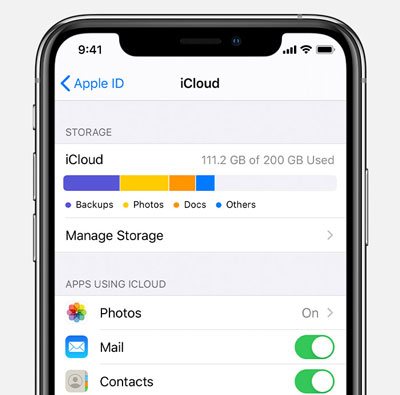
Note that iCloud does not provide a way to open a backup and view individual files. You can only view general backup information and manage storage usage.
If you use a Mac, you can also check your iCloud backup information through System Settings. Here are the steps:
Step 1. Click the Apple menu in the upper-left corner and select System Settings.
Step 2. Click your name in the sidebar and choose iCloud.
Step 3. Select Manage or Manage Account Storage.
Step 4. Click Backups to view the available device backups linked to your Apple Account.
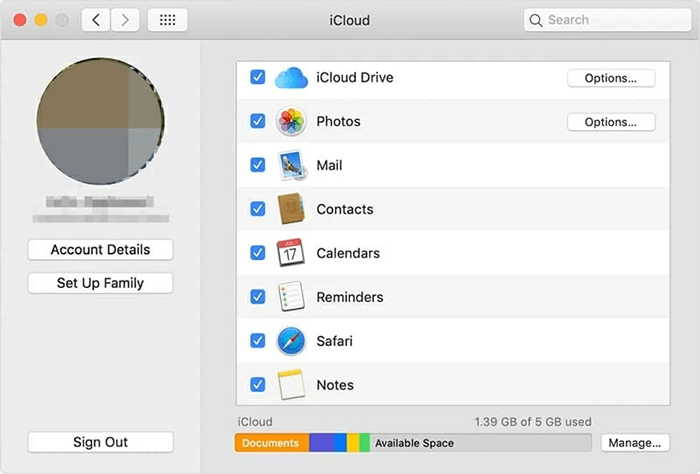
From here, you can check backup information and delete backups that are no longer needed.
While detailed iCloud backups cannot be directly accessed on iOS devices, iCloud for Windows provides a solution. By installing iCloud for Windows on your PC, you can download various data such as photos, emails, and contacts, allowing you to view your backups on the computer. Follow these steps to achieve this:
Step 1. Download and install iCloud for Windows on your computer, then sign in with your iCloud ID.
Step 2. Choose the specific types of files you wish to view and click "Apply". For items like Mails, Contacts, Calendars, and Tasks, you can access them through Outlook.
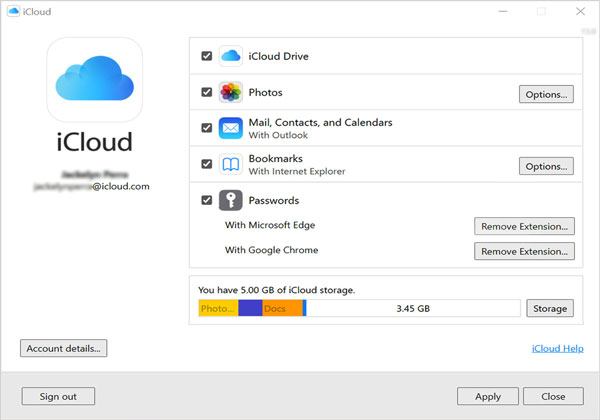
Step 3. To view photos, right-click on the iCloud icon in the taskbar and select "Download Photos".
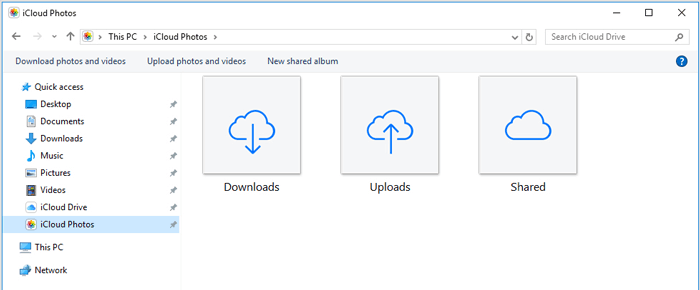
Step 4. Simultaneously press the "Windows" key and "E" to navigate to iCloud Photos. Click "Download" to view the photos that are backed up in iCloud.
iPhone won't back up to iCloud/iTunes/computer; how can you fix it? Here is a guide you can read.
If you face iCloud backup taking forever, don't panic. Here are the solutions.
Although iCloud allows you to create and restore backups, Apple does not offer a direct way to browse backup contents or selectively extract specific files. Coolmuster iCloud Backup Recovery is designed to help you access iCloud backup data more conveniently. It allows you to sign in to your iCloud account, scan available backups, preview supported files, and recover selected data without restoring the entire backup to your device.
Key Features of Coolmuster iCloud Backup Recovery:
How to Use Coolmuster iCloud Backup Recovery to View iCloud Backups:
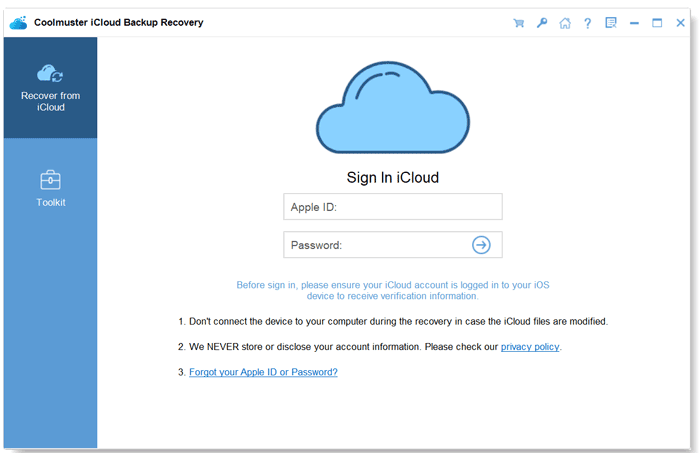
01Download and install the program on your computer, then open it to enter the main interface. Enter your Apple ID and password to log in.
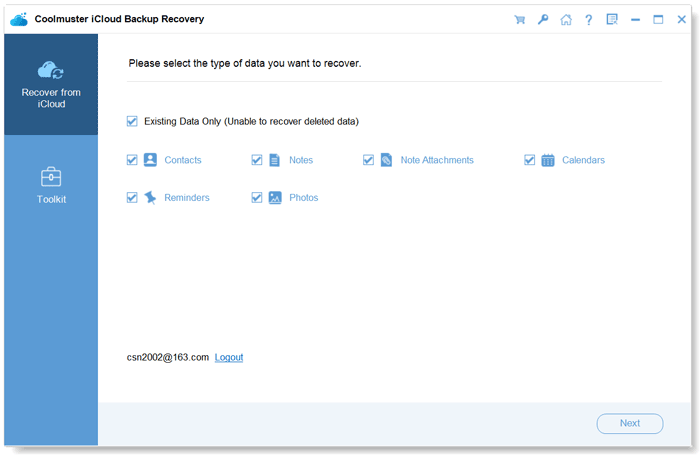
02Choose the file types you want to access, such as contacts, photos, notes, calendars, reminders, or note attachments. Then click "Next" to start scanning your iCloud backup files.
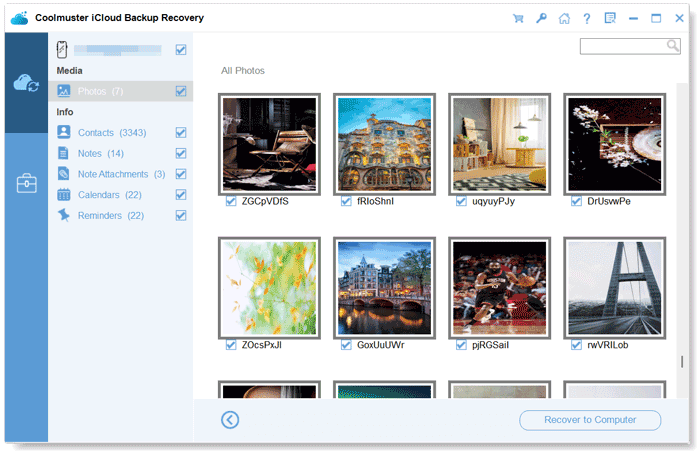
03After scanning, the available backup files will be displayed by category. You can open each category to preview details, select the files you need, and click "Recover to Computer" to export them.
Video Guide:
Although iCloud Backup provides a convenient way to protect your iPhone and iPad data, it also has some limitations. Understanding these drawbacks can help you choose a better backup strategy and avoid potential data management issues.
1. Limited Free Storage Space
Apple only offers 5GB of free iCloud storage, which may not be enough for users who store many photos, videos, apps, and backups. Once the storage limit is reached, you may need to delete existing data or upgrade to a paid iCloud+ plan. (Want to free up space on your iPhone? Click here to find the solution.)
2. Requires a Stable Internet Connection
iCloud Backup depends on Wi-Fi to upload your device data. If your network connection is slow or unstable, the backup process may take a long time or fail unexpectedly.
3. Cannot Restore Specific Files Easily
iCloud Backup does not provide a built-in option to select individual files for restoration. When restoring from iCloud, you usually need to recover the entire backup instead of choosing only the data you need.
4. Only Keeps Limited Backup Versions
iCloud generally stores the latest backup for each device rather than multiple historical versions. If a new backup replaces important older information, you may not be able to restore data from a previous backup point.
After learning how many backups iCloud keeps and understanding its limitations, you may be looking for a more flexible way to protect your iPhone or iPad data. In this case, Coolmuster iOS Assistant can be a reliable alternative to iCloud Backup.
Coolmuster iOS Assistant is a professional iOS data management tool that allows you to back up, restore, transfer, and manage iPhone, iPad, and iPod data from your computer. Unlike iCloud, which mainly stores the latest backup version, this tool lets you create local backups, select specific files to export, and keep better control over your data.
It provides two backup options: one-click full backup and selective backup. You can choose to back up your entire device or only transfer specific files you need, including contacts, messages, photos, music, videos, and more.
Key Features of Coolmuster iOS Assistant:
How to Back Up iPhone/iPad without iCloud Using Coolmuster iOS Assistant:
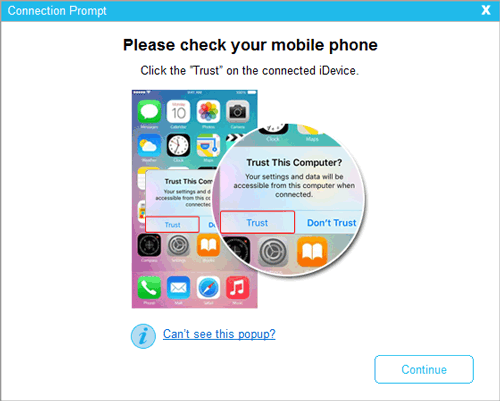
01Install and launch Coolmuster iOS Assistant on your computer. Connect your iPhone or iPad using a USB cable. When prompted on your device, tap "Trust" and click "Continue" in the program to establish the connection.
02After your device is detected, the program will display the main interface with different data categories, such as Contacts, Messages, Photos, Music, and more.
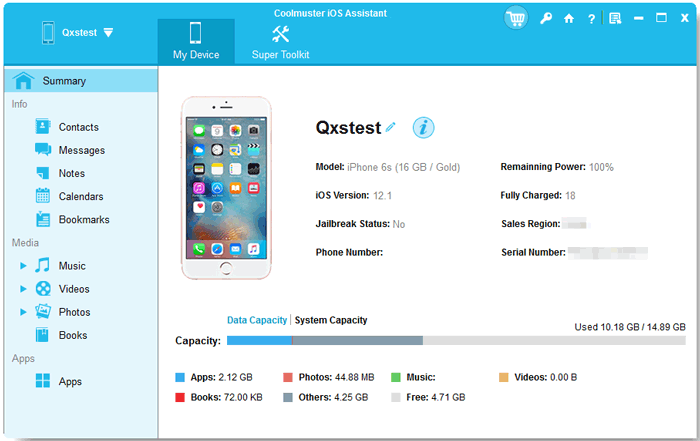
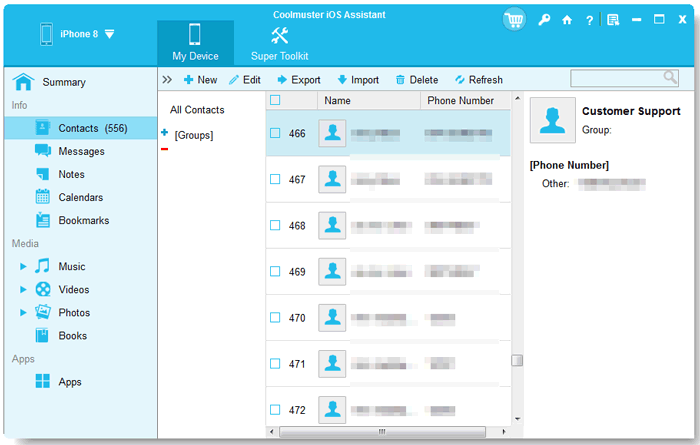
03Choose the data category you want to back up. For example, open the "Contacts" section to preview contact details, select the items you need, and click "Export" to save them to your computer.
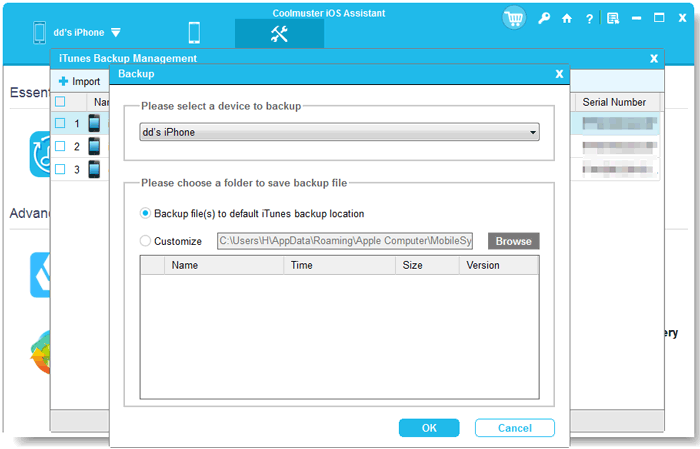
To back up your entire device, go to "Super Toolkit > iTunes Backup & Restore > Backup". Select your device, choose a backup location, and click OK to start creating a complete iPhone/iPad backup on your computer.
Video Tutorial:
Q1. How often does iCloud back up my device?
iCloud Backup automatically backs up your iPhone or iPad when the device is connected to Wi-Fi, plugged into power, and has the screen locked. In most cases, iCloud performs an automatic backup once every day when these conditions are met.
Q2. How long does an iCloud backup take?
The time required for an iCloud backup depends on several factors, including the amount of data being backed up, Wi-Fi speed, device condition, and the number of changes since the last backup.
The first backup may take longer because it needs to upload a large amount of data. After that, future backups are usually faster because iCloud only uploads newly added or changed information.
Q3. Does iCloud keep old backups?
Generally, iCloud keeps only the latest backup version for each device instead of storing multiple historical backups. When a new backup is created, it updates the existing backup with the latest device data.
If you need multiple backup versions, consider creating local backups on a computer or using a professional backup tool that allows you to save different backup copies.
Q4. How many backups does iTunes store?
Unlike iCloud, iTunes/Finder backups are stored locally on your computer. By default, iTunes usually keeps the latest backup for each device, but you can manually copy or archive backup folders to preserve multiple backup versions.
Q5. How to Delete an Old iCloud Backup?
You can remove an old iCloud backup by following these steps:
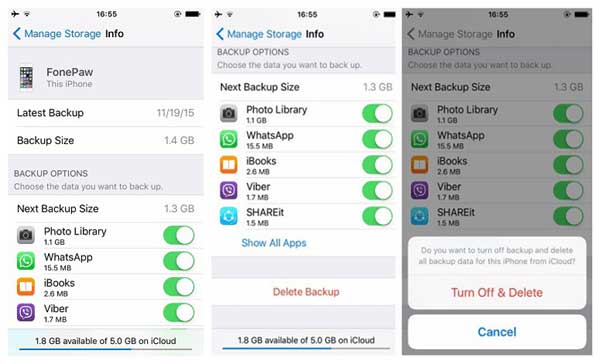
Q6. What happens if I delete an iCloud backup?
Deleting an iCloud backup removes that backup permanently from your iCloud account. After deletion, you will no longer be able to use it to restore your iPhone or iPad.
However, deleting an iCloud backup does not delete the existing data on your device.
iCloud Backup offers a simple way to protect your iPhone and iPad data, but it also has limitations such as limited storage and fewer backup management options. Understanding how many backups iCloud keeps and how to manage them can help you avoid data loss. If you need more flexibility, a dedicated backup tool like Coolmuster iOS Assistant can provide better control over your iOS backups.
Related Articles:
Restore from iCloud Paused? Fix It with 9 Solutions Here!
How to Download iCloud Backup with Ease? 4 Methods [Updated]
How to Make iCloud Backup Faster (7 Reasons & 1 Alternative)
How Long Does It Take to Back Up iPhone? [Updated and Informative]







 Free Download for PC
  Free Download for Mac


